Picture this: you’re making a delicious pesto, but you're out of fresh basil! A quick trip to the grocery store solves the problem, but what if you could extend the life of that store-bought basil and create an endless supply? The good news is, with a little know-how, you absolutely can! Growing Basil From Store-Bought: A Complete Guide So, can you really grow basil from store bought bunches? Absolutely! It's a fantastic way to save money, reduce waste, and enjoy fresh basil whenever you need it. However, the success of growing basil from store bought depends on a few key factors. This article will walk you through the entire process, from selecting the right basil to harvesting your homegrown leaves. We'll cover everything you need to know to successfully propagate basil from your grocery store haul. Selecting the Right Store-Bought Basil for Propagation Not all store-bought basil is created equal when it comes to propagation. To increase your ...
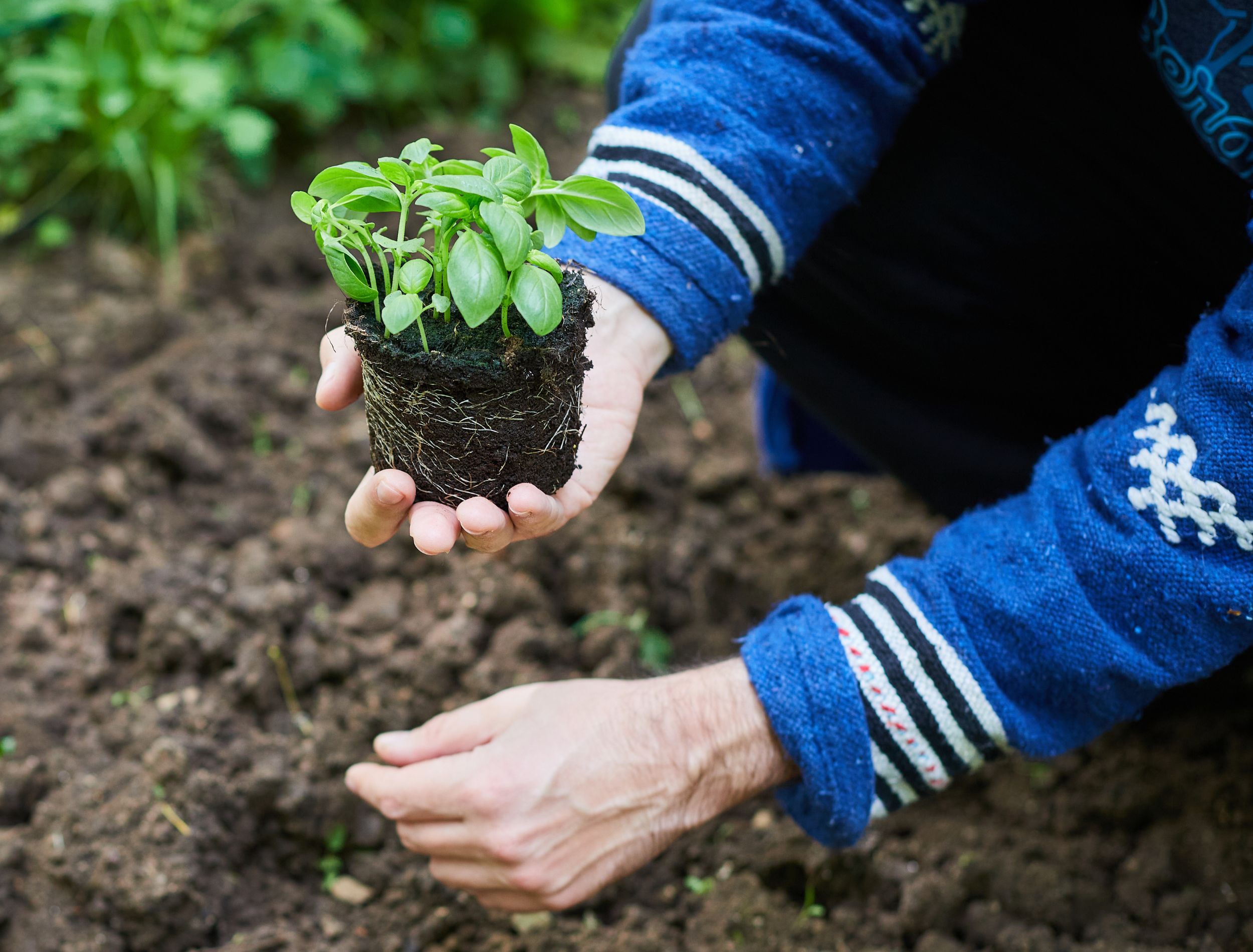
Ever feel like you're doing everything right with your basil, watering it just enough, giving it plenty of sunshine, and yet… it just sits there, stubbornly refusing to thrive? You're not alone! Many gardeners face the frustrating challenge of basil plants that simply won't grow. Let's dive deep into the common culprits behind this issue and, more importantly, how to turn things around for your beloved basil.
Why Your Basil Plants Aren't Growing: Uncovering the Root Causes
Basil, while generally easy to grow, can be surprisingly fussy when its needs aren't met. Understanding the potential problems is the first step to a flourishing basil patch. Here's a breakdown of the key reasons your basil plants might be struggling:
Insufficient Sunlight
Basil is a sun-worshiper. It requires at least 6-8 hours of direct sunlight per day to grow vigorously. Insufficient sunlight leads to weak, spindly growth and can even stunt the plant entirely. If your basil is indoors, consider using grow lights to supplement natural sunlight.
Solution: Assess your basil's location. Is it shaded by trees, buildings, or other plants? If so, try moving it to a sunnier spot. If you're growing basil indoors, invest in a full-spectrum grow light. Position the light about 6-12 inches above the plant for optimal results.
Poor Soil Conditions
Basil thrives in well-draining, nutrient-rich soil. Heavy clay soil can become waterlogged, suffocating the roots. Conversely, sandy soil may drain too quickly, depriving the plant of essential moisture and nutrients.
Solution: Amend your soil with compost, aged manure, or other organic matter to improve drainage and fertility. A soil p H between 6.0 and
7.5 is ideal for basil. You can test your soil p H with a readily available soil testing kit.
Here's a simple table illustrating the impact of soil type:
| Soil Type | Characteristics | Impact on Basil Growth |
|---|---|---|
| --- | --- | --- |
| Clay | Heavy, poor drainage | Root rot, stunted growth |
| Sandy | Drains quickly, low nutrient retention | Dehydration, nutrient deficiencies |
| Loamy | Well-draining, nutrient-rich | Optimal growth |
Improper Watering
Both overwatering and underwatering can hinder basil growth. Overwatering leads to root rot, while underwatering causes wilting and stunted development.
Solution: Water your basil deeply but infrequently. Allow the top inch of soil to dry out between waterings. Check the soil moisture by inserting your finger into the soil. If it feels dry to the touch, it's time to water. Avoid overhead watering, as this can promote fungal diseases. Instead, water at the base of the plant.
Nutrient Deficiencies
Basil needs a steady supply of nutrients, particularly nitrogen, phosphorus, and potassium, to support healthy growth. Nutrient deficiencies can manifest as yellowing leaves, stunted growth, and poor flavor.
Solution: Feed your basil with a balanced organic fertilizer every 2-4 weeks. Look for a fertilizer with an N-P-K ratio of around 10-10-10 or 5-5-5. You can also add compost or aged manure to the soil to provide a slow-release source of nutrients.
Here's a breakdown of common nutrient deficiencies and their symptoms:
| Nutrient | Deficiency Symptoms |
|---|---|
| --- | --- |
| Nitrogen (N) | Yellowing of older leaves, stunted growth |
| Phosphorus (P) | Purplish leaves, poor root development |
| Potassium (K) | Yellowing or browning leaf edges, weak stems |
Temperature Fluctuations and Cold Weather
Basil is a warm-weather herb and is sensitive to cold temperatures and frost. Sudden temperature drops can stress the plant and slow its growth, or even kill it.
Solution: Protect your basil from cold weather by covering it with a frost cloth or bringing it indoors. Avoid planting basil outdoors until the risk of frost has passed. If you live in a region with cool summers, consider growing basil in containers so you can easily move it indoors when temperatures drop.
Pests and Diseases
Pests like aphids, spider mites, and whiteflies can suck the sap from basil leaves, weakening the plant and hindering its growth. Diseases like fungal infections can also damage basil and stunt its development.
Solution: Regularly inspect your basil plants for signs of pests and diseases. Treat infestations with insecticidal soap or neem oil. Prevent fungal diseases by providing good air circulation and avoiding overhead watering. Remove any infected leaves promptly to prevent the spread of disease.
One effective way to keep your garden healthy and vibrant is to ensure you have the right tools. A quality garden hose can make all the difference when watering your plants. Consider trying the Garden Hose 75 FT with 10-Function Nozzle, Leak-proof Metal Connector Water Hose, No Knots, Kink-Free, Lighter, Anti-Pets, Wear-Resistant, 3/4 GHT, Metal Hose for Garden, Yard, Outdoor. I've found this particular water hose with various functions quite helpful for keeping my garden hydrated. You can find it here: https://amzn.to/3Yv E0Bo.
Overcrowding
If you're growing multiple basil plants in the same container or garden bed, overcrowding can restrict their growth. Plants compete for resources like sunlight, water, and nutrients, leading to stunted development.
Solution: Thin out your basil plants to provide adequate spacing between them. A general rule of thumb is to space basil plants about 12-18 inches apart. This will allow them to receive sufficient sunlight and nutrients.
Troubleshooting: My Basil Plant Still Isn't Growing!
Even after addressing the common causes, some basil plants may still struggle. Here are some additional troubleshooting tips:
Check for Root Bound Conditions
If your basil is growing in a container, it may have become root bound. This means the roots have filled the container, restricting their ability to absorb water and nutrients.
Solution: Gently remove the basil plant from its container and inspect the roots. If they are tightly circling the root ball, gently loosen them before replanting the basil in a larger container with fresh potting mix.
Consider Variety
Some basil varieties are naturally slower-growing than others. For example, Genovese basil is typically faster-growing than Thai basil.
Solution: Research the specific characteristics of the basil variety you're growing. If you're looking for a fast-growing basil, choose a variety known for its rapid growth.
Water Quality
The quality of your water can also affect basil growth. Highly alkaline or chlorinated water can damage basil roots.
Solution: If you suspect your water is the problem, consider using rainwater or filtered water to water your basil plants. You can also let tap water sit for 24 hours to allow chlorine to dissipate.
Conclusion: Nurturing Your Basil to Success
Getting your basil plants to thrive requires patience and attention to detail. By understanding the common causes of stunted growth and implementing the solutions outlined above, you can create the optimal environment for your basil to flourish. Remember to provide plenty of sunlight, well-draining soil, proper watering, and regular fertilization. With a little care and attention, you'll be enjoying fresh, flavorful basil from your garden in no time. And remember, even if you face setbacks, don't give up! Gardening is a journey of learning and experimentation, and every challenge is an opportunity to grow – both your plants and your knowledge.