Picture this: you’re making a delicious pesto, but you're out of fresh basil! A quick trip to the grocery store solves the problem, but what if you could extend the life of that store-bought basil and create an endless supply? The good news is, with a little know-how, you absolutely can! Growing Basil From Store-Bought: A Complete Guide So, can you really grow basil from store bought bunches? Absolutely! It's a fantastic way to save money, reduce waste, and enjoy fresh basil whenever you need it. However, the success of growing basil from store bought depends on a few key factors. This article will walk you through the entire process, from selecting the right basil to harvesting your homegrown leaves. We'll cover everything you need to know to successfully propagate basil from your grocery store haul. Selecting the Right Store-Bought Basil for Propagation Not all store-bought basil is created equal when it comes to propagation. To increase your ...
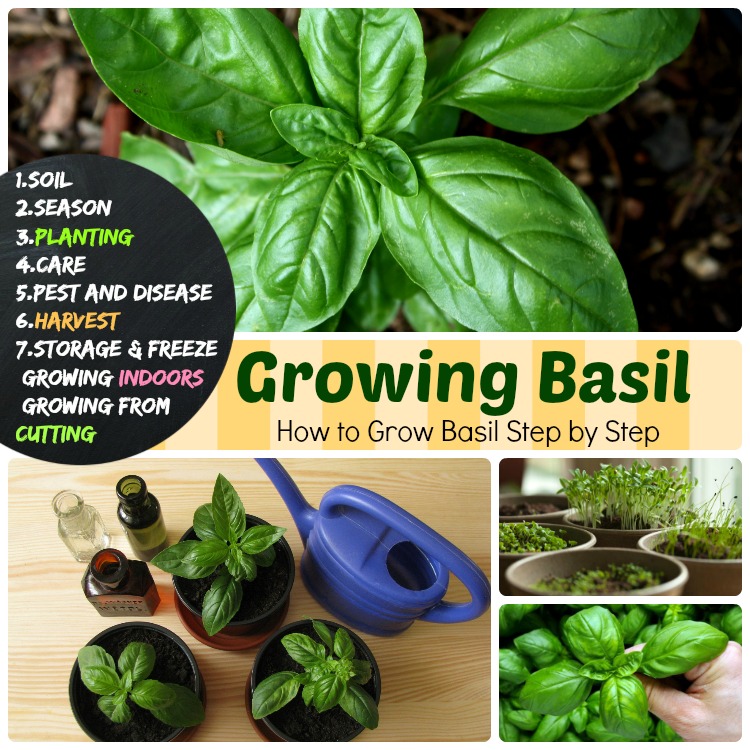
There’s nothing quite like the fresh, peppery aroma of basil wafting through your kitchen. Imagine plucking fragrant leaves straight from your own plant, ready to elevate your pasta, salads, or pesto to a whole new level. Growing your own basil is surprisingly easy and rewarding, even if you don't have a green thumb. Let’s dive into the world of basil and discover how you can cultivate these flavorful leaves right at home.
Basil Plants How To Grow: A Complete Guide
Choosing the Right Basil Variety for Your Garden
Basil isn't just basil; it's a diverse family with a flavor and appearance to suit every palate. From the classic Genovese to the intriguing Lemon basil, selecting the right variety is the first step to a successful harvest. Here’s a breakdown of some popular choices:
- Genovese Basil: The workhorse of the basil world, known for its robust, sweet flavor. Perfect for pesto and Italian dishes.
- Sweet Basil: Similar to Genovese, but often slightly milder in flavor. A great all-purpose basil.
- Lemon Basil: A citrusy twist! Its bright, lemony aroma adds a unique dimension to teas, salads, and seafood.
- Thai Basil: Anise and licorice notes define this variety, making it ideal for Southeast Asian cuisine. It has sturdy leaves and purple stems.
- Purple Basil: Not just for looks! While beautiful, its flavor is bolder and sometimes spicier than other basils. Great in vinegars and salads.
Consider your culinary preferences and the space you have available when choosing your basil. Some varieties, like Thai basil, tend to grow taller, while others, like dwarf basil, are more compact. Also, think about climate – if you live in a hotter climate, Thai basil may thrive, while Genovese may prefer slightly cooler temperatures.
Starting Your Basil Plants: Seeds vs. Seedlings
You have two main options when starting your basil journey: seeds or seedlings. Both have their advantages and disadvantages.
Starting from Seeds
Starting from seeds is cost-effective and allows you to choose from a wider range of varieties. Here’s how to do it:
- Timing: Start seeds indoors 6-8 weeks before the last expected frost. Basil is sensitive to cold, so don't rush this process.
- Sowing: Sow seeds in seed-starting trays or small pots filled with a seed-starting mix. Gently press the seeds into the soil, but don't bury them too deeply – basil seeds need light to germinate.
- Watering: Keep the soil consistently moist but not waterlogged. A spray bottle works well to avoid disturbing the delicate seedlings.
- Light: Provide ample light. A sunny windowsill or a grow light are ideal. Aim for at least 6 hours of light per day.
- Warmth: Basil loves warmth. Maintain a soil temperature of around 70-80°F (21-27°C) for optimal germination. A heat mat can be helpful.
Once the seedlings have developed a few sets of true leaves (the leaves that look like miniature basil leaves), they’re ready to be transplanted outdoors after the danger of frost has passed. Remember to harden off the seedlings by gradually exposing them to outdoor conditions for a week before transplanting.
Starting with Seedlings
If you're short on time or space, buying seedlings from a local nursery is a convenient option. Here's what to look for:
- Healthy Appearance: Choose seedlings that are vibrant green, compact, and free from any signs of pests or disease. Avoid leggy seedlings with yellowing leaves.
- Root System: Gently check the roots (if possible). They should be white and healthy, not brown or root-bound.
- Variety: Make sure the seedlings are labeled with the variety you want.
When transplanting seedlings, handle them with care to avoid damaging the roots. Plant them at the same depth they were growing in their original container.
Basil Plants How To Grow: Planting and Location
Basil thrives in warm, sunny locations with well-drained soil. Choosing the right spot and preparing the soil are crucial for healthy growth.
Sunlight
Basil needs at least 6-8 hours of sunlight per day. A south-facing location is ideal. If you're growing basil indoors, place it near a sunny window or use a grow light.
Soil
Basil prefers rich, well-drained soil with a p H between 6.0 and
7.5. Before planting, amend the soil with compost or other organic matter to improve its fertility and drainage. Avoid heavy clay soils, which can become waterlogged and lead to root rot. If your soil is heavy, consider growing basil in raised beds or containers.
Spacing
Proper spacing is essential for good air circulation and to prevent overcrowding, which can lead to disease. Space basil plants 12-18 inches apart, depending on the variety. Taller varieties like Thai basil will need more space than dwarf basil.
Watering, Feeding, and Pruning Your Basil Plants
Consistent watering, proper fertilization, and regular pruning are key to maximizing your basil harvest.
Watering
Basil needs consistent moisture, especially during hot weather. Water deeply whenever the top inch of soil feels dry to the touch. Avoid overhead watering, which can lead to fungal diseases. Soaker hoses or drip irrigation are excellent options for providing consistent moisture without wetting the leaves. Overwatering can be just as detrimental as underwatering, so be sure your soil drains well.
Feeding
Basil is a moderate feeder. Fertilize every 4-6 weeks with a balanced organic fertilizer. Alternatively, you can use compost tea or fish emulsion to provide essential nutrients. Avoid over-fertilizing, as this can lead to leggy growth and a decline in flavor. A soil test can help determine if your soil is lacking any specific nutrients.
Pruning
Pruning is essential for encouraging bushier growth and preventing basil from flowering too early. Once your basil plant has reached about 6 inches tall, start pinching off the top sets of leaves. This will encourage the plant to produce more side shoots and create a fuller, more productive plant.
Pinching Back
When you see flower buds forming, pinch them off immediately. Basil plants that flower tend to stop producing leaves. Pinching back will keep your plant in its vegetative state, promoting leaf growth and extending your harvest season. Use clean, sharp scissors or pruners to make clean cuts.
Harvesting
Harvest basil leaves regularly, starting from the top of the plant. This will also encourage new growth. Aim to harvest about one-third of the plant at a time. You can use the harvested leaves fresh or dry them for later use.
Common Pests and Diseases of Basil Plants and How to Manage Them
While basil is relatively pest-resistant, it can be susceptible to certain problems. Early detection and proper management are crucial for preventing serious damage.
Pests
- Aphids: These tiny, sap-sucking insects can cause distorted growth and sticky honeydew. Blast them off with a strong stream of water or use insecticidal soap.
- Spider Mites: These tiny mites can cause yellowing and stippling on the leaves. Increase humidity and use insecticidal soap or neem oil.
- Japanese Beetles: These voracious eaters can skeletonize basil leaves. Handpick them off the plants or use row covers to protect your basil.
Diseases
- Fusarium Wilt: This fungal disease causes yellowing and wilting of the leaves. Remove and destroy infected plants to prevent the spread of the disease. Improve soil drainage and avoid overwatering.
- Downy Mildew: This fungal disease causes yellow spots on the upper surface of the leaves and a grayish-purple fuzz on the underside. Improve air circulation and use a copper-based fungicide.
Preventative measures are always the best approach. Provide good air circulation, avoid overhead watering, and inspect your plants regularly for signs of pests or diseases.
Extending Your Basil Harvest: Overwintering and Propagation
With a little care, you can extend your basil harvest well beyond the typical growing season. Here's how:
Overwintering
In colder climates, you can bring your basil plant indoors to overwinter. Before the first frost, dig up the plant and pot it in a container filled with potting mix. Place it in a sunny window or under a grow light. Water regularly and fertilize sparingly. Your basil plant may not grow as vigorously during the winter, but it will provide you with fresh leaves throughout the colder months.
Propagation
Basil is easy to propagate from stem cuttings. Take a 4-6 inch cutting from a healthy basil plant, removing the lower leaves. Place the cutting in a glass of water. Roots will typically develop within a week or two. Once the roots are about an inch long, you can plant the cutting in a pot filled with potting mix. This is a great way to expand your basil collection or to replace older plants.
Enjoying Your Homegrown Basil
Now that you've successfully grown your own basil, it's time to enjoy the fruits (or rather, leaves) of your labor! Fresh basil adds a burst of flavor to countless dishes. Here are a few ideas:
- Pesto: The classic way to use basil! Combine fresh basil leaves, pine nuts, garlic, Parmesan cheese, and olive oil in a food processor for a delicious pesto.
- Salads: Add fresh basil leaves to salads for a burst of flavor and aroma. It pairs particularly well with tomatoes, mozzarella, and balsamic vinegar.
- Pasta Dishes: Sprinkle fresh basil leaves over pasta dishes for a touch of freshness. It complements tomato-based sauces, cream sauces, and pesto.
- Pizza: Add fresh basil leaves to homemade pizza for a gourmet touch.
- Teas and Infusions: Use lemon basil or Thai basil to create refreshing teas and infusions.
Growing your own basil is a rewarding experience that brings the flavors and aromas of summer right to your doorstep. With a little care and attention, you can enjoy a bountiful harvest of fresh basil all season long!