Picture this: you’re making a delicious pesto, but you're out of fresh basil! A quick trip to the grocery store solves the problem, but what if you could extend the life of that store-bought basil and create an endless supply? The good news is, with a little know-how, you absolutely can! Growing Basil From Store-Bought: A Complete Guide So, can you really grow basil from store bought bunches? Absolutely! It's a fantastic way to save money, reduce waste, and enjoy fresh basil whenever you need it. However, the success of growing basil from store bought depends on a few key factors. This article will walk you through the entire process, from selecting the right basil to harvesting your homegrown leaves. We'll cover everything you need to know to successfully propagate basil from your grocery store haul. Selecting the Right Store-Bought Basil for Propagation Not all store-bought basil is created equal when it comes to propagation. To increase your ...
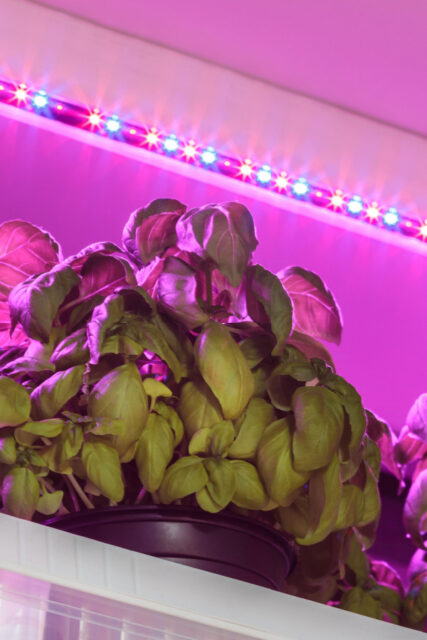
Picture this: the aroma of fresh basil filling your kitchen, not from a grocery store bundle, but from your own thriving basil plant. But what if you don't have a sun-drenched windowsill? Don't worry, you can still enjoy fresh basil year-round thanks to the magic of grow lights! Let's dive into how you can cultivate a flourishing basil garden indoors, regardless of the season, using the power of grow lights.
Understanding the Lighting Needs of Basil
Basil, like all plants, needs light to perform photosynthesis, the process of converting light energy into chemical energy (sugars) that the plant uses for growth. In its natural environment, basil thrives in full sun, requiring at least 6-8 hours of direct sunlight per day. When growing basil indoors, you need to replicate this light intensity and duration using artificial light sources, specifically grow lights. Choosing the right type of grow light and understanding its proper usage are crucial for successful indoor basil cultivation. Consider these key factors:
Light Spectrum
The light spectrum refers to the range of colors present in the light. Plants, including basil, utilize different parts of the spectrum for different processes. For vegetative growth (leaf and stem development), basil benefits from a spectrum rich in blue light. For flowering, basil needs red light. Most modern grow lights provide a "full spectrum" of light, meaning they emit a blend of blue, red, and other colors, suitable for all stages of basil's life cycle. Some growers use different types of light at different stages. For example, some may use mostly blue during early vegetative growth and then switch to a full spectrum grow light later.
Light Intensity (PAR)
Light intensity, often measured as Photosynthetically Active Radiation (PAR), indicates the amount of light available for photosynthesis. Basil requires a moderate to high PAR value for optimal growth. Insufficient light can lead to leggy growth, pale leaves, and reduced flavor. Too much light can cause leaf burn or stress. This can be tricky to get right, so it may require some experimentation. A good starting point is to measure PAR at different locations, and heights. You can also use a light meter to measure the light. Here are some tips:
- Use a PAR meter to determine how much PAR you are giving your basil.
- Adjust the distance of the grow light from the basil if your basil is burning.
- Increase the amount of hours that the grow light is on if the basil is leggy.
Light Duration
Light duration, also known as photoperiod, refers to the number of hours of light the plant receives each day. Basil typically needs 14-16 hours of light per day for optimal vegetative growth. Providing less than 12 hours of light can cause the plant to prematurely flower, which can reduce leaf production. Some growers use timers to automate the light cycle, ensuring consistent light exposure.
Types of Grow Lights for Basil
Choosing the right grow light for your basil depends on your budget, space, and desired results. Here's an overview of the most common types of grow lights:
LED Grow Lights
LED (Light Emitting Diode) grow lights are the most popular choice for indoor gardeners due to their energy efficiency, long lifespan, and relatively low heat output. LEDs come in various spectrum options, including full spectrum, and can be tailored to specific plant needs. LED panels and strips are commonly used for small to medium-sized basil gardens. Some people even use LED grow light bulbs in standard lamps.
- Pros: Energy-efficient, long lifespan, low heat, customizable spectrum.
- Cons: Can be more expensive upfront than other options.
When selecting an LED grow light for basil, look for models with a high PAR output and a full spectrum. Consider the wattage of the light based on the size of your growing area. A general guideline is 30-50 watts per square foot for basil.
Fluorescent Grow Lights
Fluorescent grow lights, including T5 and compact fluorescent lamps (CFLs), are a more affordable option for starting seedlings and growing smaller basil plants. They produce a good amount of light with relatively low heat, but they are less energy-efficient and have a shorter lifespan than LEDs. CFLs are often a good choice for small-scale basil growing, such as a few plants on a windowsill. T5 lights are typically used for larger setups.
- Pros: Affordable, low heat, good for seedlings.
- Cons: Less energy-efficient than LEDs, shorter lifespan, lower light intensity.
For basil, choose fluorescent lights with a "cool white" or "daylight" spectrum, which provides a good balance of blue and red light. Place the lights close to the plants (within a few inches) for optimal light exposure.
High-Intensity Discharge (HID) Grow Lights
HID grow lights, such as Metal Halide (MH) and High-Pressure Sodium (HPS) lamps, are powerful light sources that produce a lot of heat. MH lamps are often used for vegetative growth, while HPS lamps are used for flowering. HID lights are more suitable for large-scale indoor growing operations, but they are not recommended for small indoor basil gardens due to their high heat output and energy consumption. Because these types of lights output more heat, they can burn your basil if you do not raise the lights far enough away from the plants.
- Pros: High light intensity, suitable for large-scale growing.
- Cons: High heat output, high energy consumption, expensive, requires ventilation.
Setting Up Your Grow Light System for Basil
Once you've chosen your grow light, you'll need to set up your system to ensure your basil receives the optimal light conditions. Here's a step-by-step guide:
- Choose a location: Select a spot in your home that is free from drafts and extreme temperatures. A stable surface, such as a table or shelf, is ideal.
- Install the grow light: Mount the grow light according to the manufacturer's instructions. Make sure the light is securely positioned and won't fall. Consider using adjustable hangers to easily adjust the light height as your basil grows.
- Determine the optimal distance: The distance between the grow light and your basil plants will depend on the type of light and its intensity. As a general rule, start with the light 12-18 inches above the plants and adjust as needed. If the leaves start to turn yellow or brown, the light may be too close. If the plants are leggy, the light may be too far away.
- Set the light timer: Use a timer to automate the light cycle, providing your basil with 14-16 hours of light per day.
- Monitor your plants: Regularly check your basil plants for signs of light stress, such as leaf burn or leggy growth. Adjust the light distance or duration as needed.
Tips for Growing Basil with Grow Lights
Here are some additional tips to help you grow healthy and productive basil with grow lights:
- Use well-draining soil: Basil prefers well-draining soil to prevent root rot. A mixture of potting soil, perlite, and vermiculite is a good option.
- Water regularly: Keep the soil consistently moist, but avoid overwatering. Allow the top inch of soil to dry out before watering again.
- Fertilize regularly: Basil is a heavy feeder and benefits from regular fertilization. Use a balanced liquid fertilizer every 2-3 weeks.
- Prune regularly: Pruning encourages bushier growth and prevents the plant from becoming leggy. Pinch off the top set of leaves regularly to promote side branching.
- Provide good air circulation: Good air circulation helps prevent fungal diseases. Use a small fan to circulate air around your basil plants.
Troubleshooting Common Issues
Even with the best grow light setup, you may encounter some challenges when growing basil indoors. Here are some common issues and how to address them:
Leggy Growth
Leggy growth, characterized by long, thin stems and sparse leaves, indicates insufficient light. Increase the light intensity or duration, or move the grow light closer to the plants.
Yellowing Leaves
Yellowing leaves can be caused by several factors, including overwatering, nutrient deficiencies, or excessive light exposure. Check the soil moisture and adjust your watering schedule accordingly. Fertilize regularly with a balanced fertilizer. If the yellowing is accompanied by brown spots, the light may be too close.
Leaf Burn
Leaf burn, characterized by brown or crispy edges on the leaves, is often caused by excessive light exposure. Move the grow light further away from the plants or reduce the light duration.
Pest Infestations
Indoor basil plants can be susceptible to pests such as aphids, spider mites, and whiteflies. Inspect your plants regularly for signs of infestation. Treat infestations with insecticidal soap or neem oil.
Conclusion
Growing basil indoors with grow lights is a rewarding experience that allows you to enjoy fresh, flavorful basil year-round. By understanding the lighting needs of basil, choosing the right grow light, and following these tips, you can create a thriving indoor basil garden. So, go ahead and bring the taste of summer indoors, no matter the season!