Picture this: you’re making a delicious pesto, but you're out of fresh basil! A quick trip to the grocery store solves the problem, but what if you could extend the life of that store-bought basil and create an endless supply? The good news is, with a little know-how, you absolutely can! Growing Basil From Store-Bought: A Complete Guide So, can you really grow basil from store bought bunches? Absolutely! It's a fantastic way to save money, reduce waste, and enjoy fresh basil whenever you need it. However, the success of growing basil from store bought depends on a few key factors. This article will walk you through the entire process, from selecting the right basil to harvesting your homegrown leaves. We'll cover everything you need to know to successfully propagate basil from your grocery store haul. Selecting the Right Store-Bought Basil for Propagation Not all store-bought basil is created equal when it comes to propagation. To increase your ...
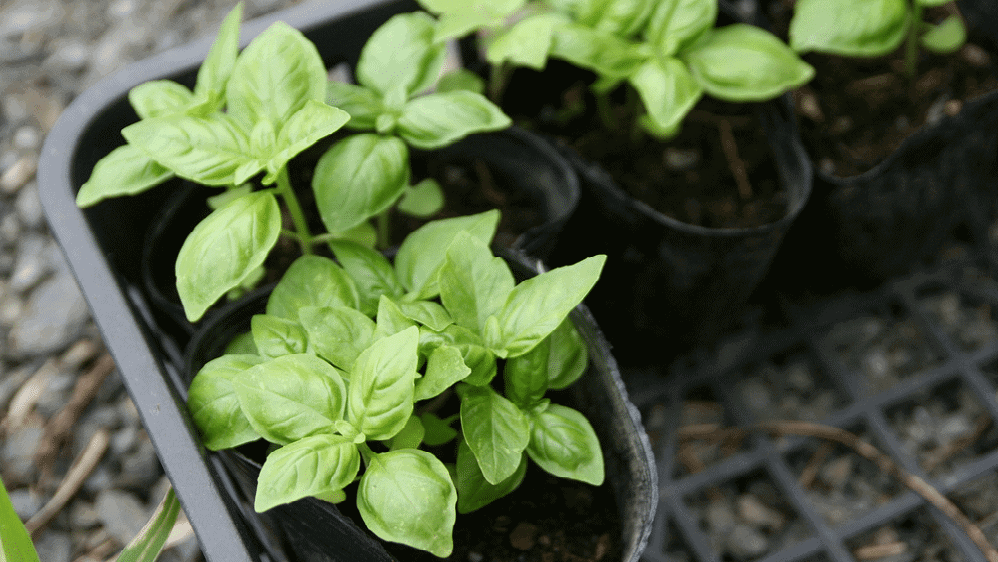
There's nothing quite like the fresh, vibrant aroma of basil filling your kitchen. Imagine being able to snip off a few leaves whenever you need them, no matter the season. The good news is, you can! Growing basil from seed indoors is easier than you might think, and with a little patience and care, you'll be enjoying homegrown basil in no time.
Why Grow Basil Indoors From Seed?
Growing basil from seed indoors offers a multitude of advantages. First and foremost, it allows you to have fresh basil available year-round, regardless of the outdoor climate. This is especially beneficial for those living in regions with short growing seasons or harsh winters. Starting basil indoors also gives you a head start on the growing season, meaning you can transplant established seedlings outdoors once the weather warms up, resulting in an earlier harvest. Furthermore, growing your own basil ensures that you know exactly what's going into it – no pesticides or harmful chemicals! Finally, it's a cost-effective way to have a continuous supply of fresh herbs, as a single packet of seeds can produce a significant amount of basil.
Gathering Your Supplies for Indoor Basil Growing
Before you embark on your basil-growing adventure, it's essential to gather the necessary supplies. Here's a comprehensive list to ensure you're well-equipped:
- Basil Seeds: Choose a variety that suits your taste, such as Genovese, Thai, or Lemon basil.
- Seed Starting Trays or Small Pots: These will provide a contained environment for your seeds to germinate.
- Seed Starting Mix: This specialized soil is light and well-draining, perfect for delicate seedlings.
- Watering Can or Spray Bottle: For gentle watering to avoid disturbing the seeds.
- Grow Lights (Optional but Recommended): Basil needs plenty of light to thrive; grow lights ensure adequate illumination, especially during winter.
- Heat Mat (Optional but Helpful): Provides consistent bottom heat, which can speed up germination.
- Small Labels and a Pen: To keep track of which varieties you're growing.
Consider investing in quality seed starting mix; this prevents damping off. Damping off is a fungal disease that affects seedlings and is caused by overly damp conditions and poor air circulation. Choosing the right tools and materials is half the battle won when growing basil from seed indoors.
The Step-by-Step Guide to Germinating Basil Seeds Indoors
Step 1: Sowing the Seeds
Fill your seed starting trays or small pots with seed starting mix. Moisten the mix thoroughly but avoid making it soggy. Sow the basil seeds about ¼ inch deep, spacing them about an inch apart. Gently cover the seeds with more seed starting mix. A light sprinkle of water will settle the soil.
Step 2: Providing the Ideal Environment
Basil seeds need warmth and moisture to germinate. Place your seed starting trays or pots in a warm location, ideally between 70-80°F (21-27°C). Using a heat mat can help maintain a consistent temperature. Cover the trays with a clear plastic dome or plastic wrap to create a humid environment. This helps retain moisture, which is essential for germination. Remember to remove the cover for a short period each day to allow for air circulation and prevent mold growth. A spray bottle is perfect for keeping the soil moist without overwatering.
Step 3: Germination and Early Care
Basil seeds typically germinate within 5-10 days. Once the seedlings emerge, remove the plastic cover and move them to a location with bright light. If you're using grow lights, position them a few inches above the seedlings. Keep the soil consistently moist but not waterlogged. Avoid overwatering, as this can lead to root rot. A good way to tell if your seedlings need watering is by checking the top inch of soil; if it feels dry to the touch, it's time to water. Provide gentle airflow by using a small fan to strengthen the seedlings' stems. This helps prevent damping off and encourages healthy growth.
Caring for Your Basil Seedlings Indoors
Light Requirements
Basil needs at least 6-8 hours of direct sunlight per day. If you're growing basil indoors, especially during the winter months, providing supplemental light with grow lights is essential. Position the grow lights a few inches above the seedlings and adjust as they grow. Without sufficient light, basil seedlings will become leggy (tall and spindly) and weak. A well-lit environment is crucial for healthy, robust basil plants. LED grow lights are an energy-efficient option that provides the full spectrum of light that plants need to thrive.
Watering and Fertilizing
Water your basil seedlings when the top inch of soil feels dry to the touch. Avoid overwatering, as this can lead to root rot. Use a watering can or spray bottle to gently water the soil around the seedlings, avoiding wetting the leaves. Once the seedlings have developed their first set of true leaves (the leaves that appear after the initial seed leaves), you can start fertilizing them with a diluted liquid fertilizer specifically formulated for herbs. Follow the instructions on the fertilizer packaging. Fertilizing every 2-3 weeks will provide the necessary nutrients for healthy growth.
Pruning and Harvesting
Pruning is essential for encouraging bushy growth and preventing your basil plants from becoming leggy. Once the seedlings have reached a height of about 6 inches, pinch off the top set of leaves just above a leaf node (where the leaves emerge from the stem). This will encourage the plant to produce two new stems, resulting in a bushier plant. You can continue to prune your basil plants regularly throughout the growing season. Harvesting basil is as simple as snipping off the leaves as needed. Always cut just above a leaf node to encourage new growth. Regular harvesting will also prevent the plant from flowering, which can reduce the flavor of the leaves.
Troubleshooting Common Issues When Growing Basil From Seed Indoors
Leggy Seedlings
Leggy seedlings are a common problem when growing basil indoors. This is usually caused by insufficient light. To prevent leggy seedlings, make sure your basil plants are getting enough light, either from a sunny window or grow lights. If your seedlings are already leggy, you can try moving them closer to the light source or providing supplemental light with grow lights.
Damping Off
Damping off is a fungal disease that can kill seedlings. It's caused by overly damp conditions and poor air circulation. To prevent damping off, use a seed starting mix that is well-draining, avoid overwatering, and provide good air circulation. If you notice signs of damping off, such as wilting or collapsing seedlings, remove the affected plants immediately and treat the remaining plants with a fungicide.
Pests
While less common indoors than outdoors, pests can still affect your basil plants. Aphids, spider mites, and whiteflies are common pests that can infest basil plants. To prevent pests, inspect your plants regularly for signs of infestation. If you notice pests, you can try washing them off with a strong stream of water or treating the plants with an insecticidal soap. Keeping your indoor growing area clean and free of debris can also help prevent pest infestations.
Transplanting Your Basil Seedlings Outdoors (If Applicable)
If you plan to transplant your basil seedlings outdoors, it's essential to harden them off gradually. Hardening off is the process of acclimating your seedlings to outdoor conditions before transplanting them. Start by placing the seedlings outdoors in a sheltered location for a few hours each day, gradually increasing the amount of time they spend outdoors over the course of a week or two. This will help them adjust to the sun, wind, and temperature changes. Choose a location with well-draining soil and plenty of sunlight. Transplant the seedlings in the evening or on a cloudy day to minimize stress. Water the seedlings thoroughly after transplanting and protect them from pests.
For comfortable gardening, especially when tending to your basil transplants, you might find a "KVR Upgraded Garden Kneeler and Seat with Thicken & Widen Soft Kneeling Pad, Heavy Duty Foldable Gardener Stool with 2 Tool Pouches, Gardening Gifts for Women Mom Men" to be quite helpful. This upgraded gardening stool, which comes with a thick kneeling pad and tool pouches, can be found here: https://amzn.to/4mhl Mx I. It's a fantastic way to make gardening tasks easier on your knees and back.
Enjoying Your Homegrown Basil
Once your basil plants are established, you can start harvesting the leaves regularly. Fresh basil can be used in a variety of culinary dishes, from pesto to salads to pasta sauces. You can also dry or freeze basil for later use. Growing basil from seed indoors is a rewarding experience that allows you to enjoy fresh, flavorful herbs year-round. With a little care and attention, you'll be harvesting your own homegrown basil in no time!