Picture this: you’re making a delicious pesto, but you're out of fresh basil! A quick trip to the grocery store solves the problem, but what if you could extend the life of that store-bought basil and create an endless supply? The good news is, with a little know-how, you absolutely can! Growing Basil From Store-Bought: A Complete Guide So, can you really grow basil from store bought bunches? Absolutely! It's a fantastic way to save money, reduce waste, and enjoy fresh basil whenever you need it. However, the success of growing basil from store bought depends on a few key factors. This article will walk you through the entire process, from selecting the right basil to harvesting your homegrown leaves. We'll cover everything you need to know to successfully propagate basil from your grocery store haul. Selecting the Right Store-Bought Basil for Propagation Not all store-bought basil is created equal when it comes to propagation. To increase your ...
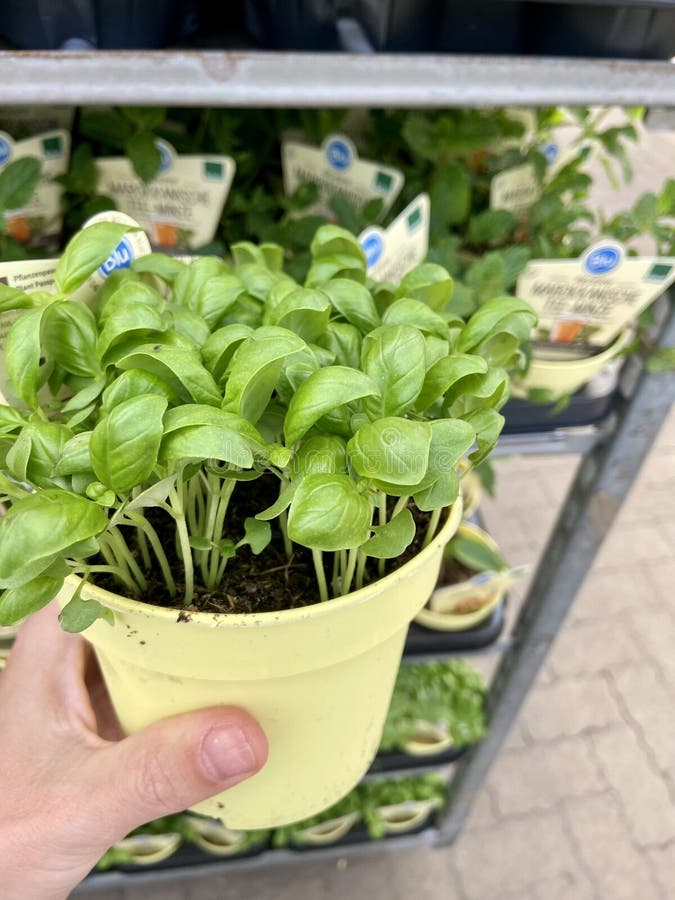
Want to add a touch of fresh, aromatic flavor to your dishes straight from your own little garden? Growing basil in a pot is surprisingly easy and rewarding, even if you don't have a sprawling backyard. Imagine snipping off a few leaves of your own homegrown basil to sprinkle over pasta, add to a Caprese salad, or infuse into homemade pesto. Let's dive into how you can nurture your own thriving basil plant, right on your windowsill or balcony!
Why Grow Basil in a Pot?
There are so many reasons to choose container gardening for your basil. First and foremost, it's incredibly convenient. You can easily move your basil plant around to follow the sun or bring it indoors when the weather gets chilly. Potted basil is also a great option if you have limited space, such as an apartment balcony or a small patio. It allows you to enjoy fresh herbs even without a traditional garden bed. Furthermore, growing basil in a pot gives you more control over the soil conditions, ensuring your plant gets the perfect blend of nutrients and drainage it needs to flourish.
Beyond the practical benefits, growing your own basil offers a deeper connection to your food. You'll appreciate the vibrant flavors even more knowing that you nurtured the plant from a tiny seedling to a fragrant, leafy herb. Plus, it's a sustainable way to reduce your reliance on store-bought herbs, which are often transported long distances and packaged in plastic.
Choosing the Right Pot for Your Basil
Selecting the correct pot is crucial for the healthy growth of your basil. Here's what to keep in mind:
Size Matters
Basil needs room to grow, so choose a pot that's at least 12 inches in diameter and 12 inches deep. This provides enough space for the roots to spread and prevents the plant from becoming root-bound. If you plan to grow multiple basil plants in the same pot, increase the size accordingly. A larger pot, around 18-24 inches in diameter, would be more suitable for a small basil garden.
Drainage is Key
Basil hates sitting in soggy soil, which can lead to root rot. Make sure your pot has drainage holes at the bottom to allow excess water to escape. If your pot doesn't have drainage holes, you can drill some yourself. You can also add a layer of gravel or broken pottery at the bottom of the pot to improve drainage.
Material Considerations
Pots come in a variety of materials, each with its own pros and cons:
- Terracotta: This is a classic choice that's porous and allows the soil to breathe, preventing overwatering. However, terracotta pots can dry out quickly, so you may need to water more frequently.
- Plastic: Plastic pots are lightweight, durable, and retain moisture well. They're also less expensive than terracotta pots. However, they don't breathe as well as terracotta, so it's important to be mindful of overwatering.
- Ceramic: Ceramic pots are attractive and come in a wide range of colors and designs. They retain moisture well but can be heavy and breakable.
Ultimately, the best material for your basil pot depends on your personal preferences and growing conditions. Consider the climate you live in and how often you're able to water your plants when making your decision.
The Best Soil for Basil in Pots
Basil thrives in well-draining soil that's rich in organic matter. A good potting mix is essential for providing the nutrients and drainage that your basil needs. Avoid using garden soil, as it can be too heavy and compact in a pot, leading to poor drainage and stunted growth.
Choosing the Right Potting Mix
Look for a high-quality potting mix that's specifically designed for containers. These mixes typically contain a blend of peat moss, perlite, and vermiculite, which provide good drainage and aeration. You can also make your own potting mix by combining equal parts of peat moss, perlite, and compost.
Soil p H for Basil
Basil prefers a slightly acidic to neutral soil p H, ideally between 6.0 and
7.5. You can test the p H of your soil using a soil testing kit, which is available at most garden centers. If your soil is too acidic, you can add lime to raise the p H. If it's too alkaline, you can add sulfur to lower the p H.
Enriching the Soil
To give your basil a boost, you can amend the potting mix with compost, aged manure, or other organic matter. These amendments provide essential nutrients and improve the soil's water-holding capacity. You can also add a slow-release fertilizer to the potting mix to provide a steady supply of nutrients throughout the growing season.
How to Plant Basil in a Pot
Now that you have your pot and soil ready, it's time to plant your basil! You can start basil from seeds or purchase a seedling from a garden center. Starting from seeds gives you more control over the variety of basil you grow, but seedlings are a faster way to get started.
Starting from Seeds
To start basil from seeds, sow them indoors 6-8 weeks before the last expected frost. Sow the seeds in small pots or trays filled with potting mix. Keep the soil moist and warm, and the seeds should germinate in 5-10 days. Once the seedlings have developed a few sets of true leaves, you can transplant them into larger pots.
Transplanting Seedlings
When transplanting basil seedlings, handle them carefully to avoid damaging the roots. Gently loosen the roots from the seedling tray and plant them in the center of your prepared pot. Fill the pot with potting mix, leaving about an inch of space between the soil surface and the rim of the pot. Water the seedlings thoroughly after planting.
Spacing
If you're planting multiple basil plants in the same pot, space them about 6-8 inches apart to allow for adequate air circulation. This helps prevent fungal diseases and ensures that each plant has enough room to grow.
Caring for Your Potted Basil
Once your basil is planted, it's important to provide the right conditions for it to thrive. This includes providing adequate sunlight, water, and fertilizer.
Sunlight
Basil needs at least 6-8 hours of sunlight per day to grow well. Place your potted basil in a sunny location, such as a south-facing window or a balcony that receives plenty of sunlight. If you don't have enough natural sunlight, you can supplement with grow lights.
Watering
Basil needs consistent watering to stay healthy. Water your basil when the top inch of soil feels dry to the touch. Avoid overwatering, as this can lead to root rot. When watering, water deeply, allowing the water to drain out of the drainage holes. Water in the morning to allow the foliage to dry before nightfall, which helps prevent fungal diseases.
Fertilizing
Basil is a heavy feeder and benefits from regular fertilization. Fertilize your basil every 2-3 weeks with a balanced liquid fertilizer, following the instructions on the label. You can also use a slow-release fertilizer to provide a steady supply of nutrients.
Pruning and Harvesting
Pruning is essential for encouraging bushy growth and preventing your basil from flowering. When your basil plant is about 6 inches tall, pinch off the top set of leaves. This will encourage the plant to branch out and produce more leaves. Continue to pinch off the tops of the branches as needed. To harvest basil, simply snip off the leaves with scissors or your fingers. Harvest regularly to encourage new growth. Avoid harvesting more than one-third of the plant at a time, as this can stress the plant.
Common Problems and Solutions
Even with the best care, your basil plant may encounter some problems. Here are some common issues and how to address them:
- Yellowing leaves: This can be caused by overwatering, underwatering, nutrient deficiencies, or pests. Check the soil moisture and adjust your watering accordingly. Fertilize your basil with a balanced fertilizer. Inspect the leaves for pests and treat them accordingly.
- Root rot: This is caused by overwatering and poor drainage. Make sure your pot has drainage holes and avoid overwatering. If your basil plant has root rot, you may need to repot it in fresh soil.
- Pests: Basil can be susceptible to pests such as aphids, spider mites, and whiteflies. Inspect your basil plant regularly for pests and treat them with insecticidal soap or neem oil.
- Fungal diseases: Basil can be susceptible to fungal diseases such as powdery mildew and downy mildew. These diseases are more common in humid conditions. Provide good air circulation and avoid overwatering. Treat the affected leaves with a fungicide.
By being proactive and addressing these problems early, you can keep your basil plant healthy and productive.
Growing Basil Indoors vs. Outdoors
Basil can be grown both indoors and outdoors, but there are some key differences to consider.
Indoor Basil
Growing basil indoors allows you to enjoy fresh herbs year-round, regardless of the weather. However, indoor basil may require more attention to ensure it gets enough sunlight and humidity. Place your potted basil near a sunny window or supplement with grow lights. Increase the humidity by misting the leaves regularly or placing the pot on a tray filled with water and pebbles.
Outdoor Basil
Growing basil outdoors can be easier, as the plant receives ample sunlight and natural rainfall. However, outdoor basil is more susceptible to pests and diseases. Choose a sunny location with well-draining soil. Protect your basil plant from strong winds and extreme temperatures. Consider using a raised bed or container to improve drainage and control soil conditions.
Whether you choose to grow basil indoors or outdoors, the key is to provide the right conditions for it to thrive. With a little care and attention, you can enjoy a bountiful harvest of fresh, flavorful basil.
Choosing the Right Basil Variety
There are many different varieties of basil to choose from, each with its own unique flavor and appearance. Here are some popular varieties:
- Sweet Basil: This is the most common type of basil and has a classic, sweet flavor. It's perfect for pesto, tomato sauces, and Caprese salads.
- Genovese Basil: This is a type of sweet basil that's known for its intense flavor. It's a favorite for making authentic pesto.
- Thai Basil: This variety has a spicy, anise-like flavor. It's commonly used in Southeast Asian cuisine.
- Lemon Basil: This basil has a refreshing lemon flavor that's great for salads, teas, and desserts.
- Purple Basil: This variety has a beautiful purple color and a slightly spicy flavor. It makes a visually stunning addition to any dish.
Experiment with different varieties to find your favorites. You can even grow multiple varieties in the same pot to create a diverse and flavorful herb garden. And remember, a comfortable gardening setup is key to enjoying the process. For those with back or knee issues, theKVR Upgraded Garden Kneeler and Seat with Thicken & Widen Soft Kneeling Pad,Heavy Duty Foldable Gardener Stool with 2 Tool Pouches is an excellent addition to your gardening tools. This versatile gardener stool, with its thick kneeling pad and handy tool pouches, can make tending to your potted basil much more comfortable. Check it out on Amazon: https://amzn.to/4mhl Mx I and consider how this upgraded gardening kneeler can make your gardening activities all the more comfortable.
Enjoying Your Fresh Basil
Congratulations! You've successfully learned how to grow basil in a pot! Now comes the best part: enjoying the fruits (or rather, leaves) of your labor. Fresh basil adds a burst of flavor to a wide variety of dishes. Here are just a few ideas:
- Pesto: Blend fresh basil leaves with pine nuts, garlic, Parmesan cheese, and olive oil for a classic pesto sauce.
- Caprese Salad: Layer slices of fresh mozzarella, tomatoes, and basil leaves, and drizzle with balsamic glaze for a simple and delicious salad.
- Pizza: Sprinkle fresh basil leaves over your favorite pizza after it comes out of the oven.
- Pasta Sauce: Add fresh basil leaves to your pasta sauce for a fragrant and flavorful twist.
- Salads: Chop fresh basil leaves and add them to your favorite salads.
- Soups: Garnish your soups with fresh basil leaves for a touch of freshness.
- Infused Oil: Infuse olive oil with fresh basil leaves for a flavorful cooking oil.
Don't be afraid to experiment and get creative with your fresh basil. It's a versatile herb that can be used in countless ways. With a little care and attention, your potted basil plant will provide you with a steady supply of fresh, flavorful leaves for many months to come. Happy gardening!