Picture this: you’re making a delicious pesto, but you're out of fresh basil! A quick trip to the grocery store solves the problem, but what if you could extend the life of that store-bought basil and create an endless supply? The good news is, with a little know-how, you absolutely can! Growing Basil From Store-Bought: A Complete Guide So, can you really grow basil from store bought bunches? Absolutely! It's a fantastic way to save money, reduce waste, and enjoy fresh basil whenever you need it. However, the success of growing basil from store bought depends on a few key factors. This article will walk you through the entire process, from selecting the right basil to harvesting your homegrown leaves. We'll cover everything you need to know to successfully propagate basil from your grocery store haul. Selecting the Right Store-Bought Basil for Propagation Not all store-bought basil is created equal when it comes to propagation. To increase your ...
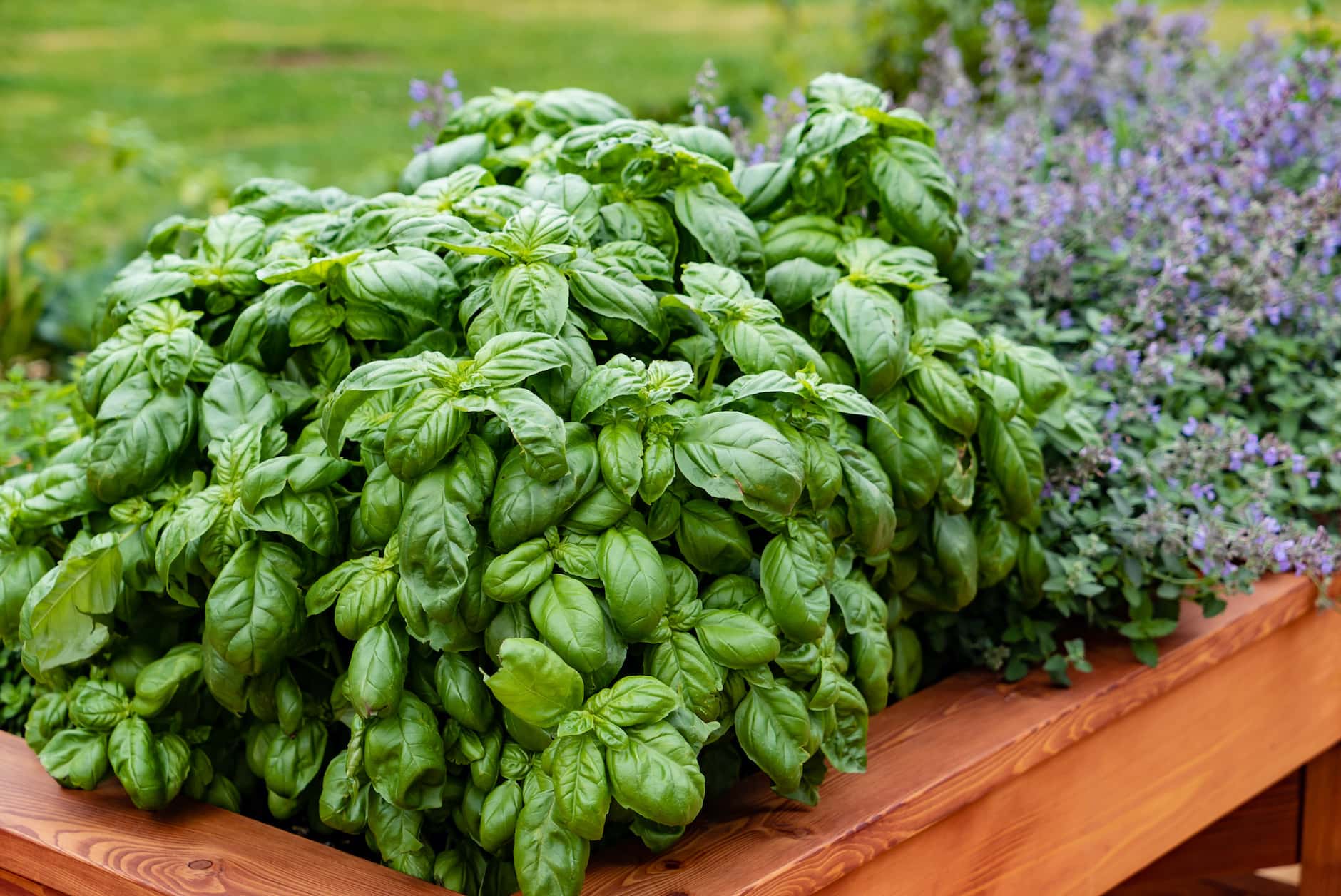
Basil, with its vibrant green leaves and unmistakable aroma, is a culinary staple for many of us. But have you ever felt frustrated that your basil plant is tall and leggy instead of lush and bushy? Fear not! Achieving a bountiful, bushy basil plant is easier than you think, and with a few simple techniques, you can be swimming in fragrant leaves all season long.
Understanding the Basics of Growing Bushy Basil
Before we dive into the specifics of how to get a bushy basil plant, let's understand the fundamental needs of this herb. Basil, scientifically known as Ocimum basilicum, thrives in warm temperatures and requires plenty of sunlight. It's also a moisture-loving plant, needing consistent watering to stay healthy and productive. Proper soil and fertilization are key components for a thriving basil plant as well. Let's break this down further:
Essential Requirements for Thriving Basil Plants
Basil is a relatively easy herb to grow, but paying attention to these key factors will significantly increase your chances of achieving a bushy, productive plant.
Sunlight: The Fuel for Growth
Basil adores sunlight! Aim for at least 6-8 hours of direct sunlight per day. If you're growing basil indoors, place it near a sunny window or use grow lights to supplement natural light. Insufficient sunlight will cause the plant to become leggy as it stretches towards the light source, resulting in fewer leaves and a weaker plant overall. A healthy dose of sunshine helps with the photosynthesis process which is essential for growing bushy basil plants.
Watering: Keeping Your Basil Hydrated
Basil needs consistent moisture, but avoid overwatering. Soggy soil can lead to root rot, a common problem that can quickly kill your basil plant. Water deeply when the top inch of soil feels dry to the touch. In hot weather, you may need to water daily. When watering, try to avoid wetting the leaves, as this can increase the risk of fungal diseases. A good tip is to water early in the morning, which gives the leaves time to dry out before nightfall.
Soil: A Foundation for Success
Basil prefers well-draining soil that is rich in organic matter. A good potting mix specifically formulated for herbs is a great option for container gardening. If you're planting basil in the ground, amend the soil with compost or other organic matter to improve drainage and fertility. Aim for a soil p H between 6.0 and
7.5, which is slightly acidic to neutral. Here's a breakdown:
- Container Gardening: Use a high-quality potting mix designed for herbs and vegetables.
- In-Ground Planting: Amend the soil with compost, aged manure, or other organic matter.
- Soil p H: Aim for a p H between 6.0 and
7.5.
Fertilizing: Nourishing Your Basil
Basil is a heavy feeder and benefits from regular fertilization. Use a balanced fertilizer, such as a 10-10-10 or 20-20-20, diluted to half strength. Fertilize every 2-4 weeks during the growing season. Alternatively, you can use a slow-release fertilizer at planting time. Organic options like compost tea or fish emulsion are also excellent choices. Proper fertilization is critical in how to grow bushy basil plants. Here are some fertilization facts:
- Balanced Fertilizer: Use a 10-10-10 or 20-20-20 fertilizer, diluted to half strength.
- Frequency: Fertilize every 2-4 weeks during the growing season.
- Organic Options: Compost tea or fish emulsion are excellent organic choices.
The Secret to Bushy Basil: Pruning and Pinching
Pruning and pinching are the most important techniques for encouraging a bushy basil plant. This process encourages the plant to produce more side shoots, resulting in a fuller, more productive plant. This is the key to growing bushy basil. The goal is to train the plant to grow outwards rather than upwards.
Pinching: The First Step
Pinching refers to removing the growing tip of the plant. When your basil plant is about 6 inches tall, pinch off the central stem just above a set of leaves. This will force the plant to send out two new shoots from the nodes below the cut. It's like telling the plant, "Hey, grow wider, not just taller!". This step is crucial for promoting branching and achieving that desired bushy shape. Consider pinching like giving your basil plant a haircut for a more voluminous style.
Pruning: Maintaining the Bushy Shape
After the initial pinching, continue to prune your basil plant regularly. Whenever a stem has 6-8 leaves, prune it back to just above a set of leaves. This will encourage even more branching and prevent the plant from flowering too early. Basil flowers will cause the leaves to become bitter, so it's important to keep the plant pruned to maintain the quality of the leaves. Also, the leaves near the pruning site will grow more healthy and vibrant. Harvesting leaves for cooking naturally contributes to this pruning process. It's a win-win!
Deadheading: Preventing Flowering
As mentioned earlier, allowing your basil to flower will negatively impact the flavor of the leaves and reduce overall leaf production. Remove any flower buds as soon as you see them. This is called deadheading. By preventing flowering, you're encouraging the plant to put its energy into producing more leaves. This is the last but important step of how to grow bushy basil.
Troubleshooting Common Basil Problems
Even with the best care, basil plants can sometimes encounter problems. Here are some common issues and how to address them:
Yellowing Leaves
Yellowing leaves can indicate several problems, including overwatering, underwatering, nutrient deficiencies, or fungal diseases. Check the soil moisture and adjust your watering accordingly. If the soil is consistently wet, allow it to dry out before watering again. If the leaves are yellowing and the soil is dry, water deeply. If nutrient deficiencies are suspected, fertilize with a balanced fertilizer.
Brown Spots
Brown spots on basil leaves are often caused by fungal diseases, such as basil downy mildew. Improve air circulation around the plant by spacing plants further apart and pruning away any crowded foliage. Avoid overhead watering, as this can spread fungal spores. If the problem persists, consider using a fungicide specifically formulated for basil.
Pests
Basil can be susceptible to pests like aphids, spider mites, and whiteflies. Regularly inspect your plants for signs of infestation. If you find pests, try spraying them off with a strong stream of water. You can also use insecticidal soap or neem oil to control pests. Consider companion planting to attract beneficial insects.
Choosing the Right Basil Variety
While the techniques described above apply to most basil varieties, some varieties are naturally bushier than others. Genovese basil, the most common type, responds well to pruning and pinching. Thai basil tends to be more compact and naturally bushy. Lemon basil and lime basil also tend to have a more bushy growth habit. Experiment with different varieties to find the one that best suits your needs and preferences.
Finding gardening comfortable and enjoyable is important for everyone. For those who like to keep their hands clean, but still love a flourishing garden, theKVR Upgraded Garden Kneeler and Seat with Thicken & Widen Soft Kneeling Pad is a fantastic gardening tool. This sturdy, foldable gardener stool features two tool pouches, making it a perfect gardening gift for women, moms, and men alike! You can find this handy kneeler seat here: https://amzn.to/4mhl Mx I.
Growing bushy basil is a rewarding experience that provides you with a continuous supply of fresh, flavorful leaves for your culinary creations. By understanding the basic needs of the plant, mastering the art of pruning and pinching, and troubleshooting common problems, you can enjoy a bountiful harvest of basil all season long. So, get out there, plant some basil, and start pinching your way to a bushy, productive herb garden!