Picture this: you’re making a delicious pesto, but you're out of fresh basil! A quick trip to the grocery store solves the problem, but what if you could extend the life of that store-bought basil and create an endless supply? The good news is, with a little know-how, you absolutely can! Growing Basil From Store-Bought: A Complete Guide So, can you really grow basil from store bought bunches? Absolutely! It's a fantastic way to save money, reduce waste, and enjoy fresh basil whenever you need it. However, the success of growing basil from store bought depends on a few key factors. This article will walk you through the entire process, from selecting the right basil to harvesting your homegrown leaves. We'll cover everything you need to know to successfully propagate basil from your grocery store haul. Selecting the Right Store-Bought Basil for Propagation Not all store-bought basil is created equal when it comes to propagation. To increase your ...
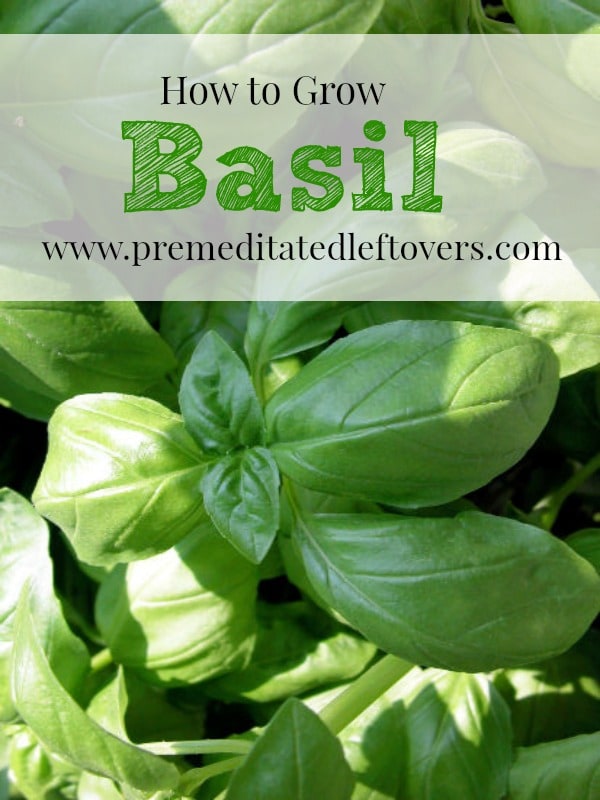
Ah, basil. The fragrant, vibrant herb that elevates everything from pesto to pizza. But before you can harvest that bounty, you're probably wondering: How long does it really take for basil to grow? The answer, like gardening itself, isn't always a simple one, but let's dive into all the factors that influence basil's growth timeline.
Growing Basil: A Timeframe Overview
When asking "How long for basil to grow?" a simple answer is somewhere between 3 to 8 weeks. However, the exacttime for basil to grow depends on a variety of factors, including whether you start from seed or transplant, the specific basil variety, and your local growing conditions. Let's break down the different stages of growth.
Basil Seed Germination Time
Starting from seed offers the most control over the process, and is a cost-effective method, but requires patience. The first step is germination - the process of the seed sprouting. How long it takes for basil seeds to sprout is dependent on the temperature of the soil. The ideal soil temperature for basil seed germination is 70-80°F (21-27°C). At this temperature, you can expect to see sprouts emerging in5-10 days. Cooler temperatures can significantly slow down this process, potentially taking up to two weeks or more.
Here's a quick guide on what to expect during germination:
- Days 1-3: Seeds absorb water and begin to swell. Keep soil consistently moist.
- Days 3-5: The first tiny root (radicle) emerges from the seed.
- Days 5-10: The first leaves (cotyledons) appear. These are not "true" leaves, but they provide the seedling with initial energy.
Basil Growth Timeline From Seed to Harvest
Okay, the seeds have sprouted! Now,how long until you can harvest basil? From the time of germination, you can generally expect to harvest your first leaves in 3-4 weeks. This is when the plants are usually around 6-8 inches tall and have several sets of true leaves. However, continuous harvests, and allowing the plant to mature will prolong the time it takes for basil to grow.
Here's a general breakdown:
- Weeks 1-2 (Post-Germination): Seedlings establish themselves and develop their first true leaves. Focus on providing adequate light and consistent moisture.
- Weeks 3-4: Plants grow rapidly. Begin fertilizing with a balanced liquid fertilizer diluted to half strength. Harvest your first leaves by pinching off the top sets of leaves to encourage bushier growth.
- Weeks 5-8: Continue harvesting regularly to prevent flowering (more on that later!). Monitor for pests and diseases.
Looking for a garden hose that can easily reach all your basil plants? A durable and flexible option like agarden hose 75 FT with 10-Function Nozzle, Leak-proof Metal Connector Water Hose, No Knots, Kink-Free, Lighter, Anti-Pets, Wear-Resistant, 3/4 GHT, Metal Hose for Garden, Yard, Outdoor can make watering a breeze and help ensure your basil gets the moisture it needs to thrive. This versatile75ft metal garden hose with a 10-pattern spray nozzle could be just what you need! Check it out here: https://amzn.to/3Yv E0Bo.
Basil Growth From Transplants
If you opt for transplants (small basil plants purchased from a nursery), you'll shave some time off the growing process. Since the plants are already established, you can typically begin harvesting within2-3 weeks of transplanting. This is a great option for gardeners who want a quicker harvest or who live in regions with shorter growing seasons.
Tips for transplanting basil:
- Choose healthy-looking plants with vibrant green leaves and no signs of pests or diseases.
- Gently loosen the roots before planting.
- Plant at the same depth as they were in their original containers.
- Water thoroughly after planting.
- Provide some shade for the first few days to help the plants adjust to their new environment.
Factors Affecting Basil Growth Speed
Several key factors can influence*basil growing time. Understanding these factors will help you optimize your growing conditions and ensure a faster, more abundant harvest.
Sunlight
Basil thrives in full sun, requiring at least 6-8 hours of direct sunlight per day. Insufficient sunlight can lead to leggy growth and reduced leaf production, significantly increasing thetime to grow basil.
Soil
Well-draining soil that is rich in organic matter is crucial for healthy basil growth. Amend heavy clay soils with compost or other organic materials to improve drainage. A slightly acidic to neutral p H (6.0-7.5) is ideal. Poor soil quality also increases the*basil growing time.
Water
Basil needs consistent moisture, especially during hot weather. Water deeply whenever the top inch of soil feels dry to the touch. Avoid overwatering, as this can lead to root rot. Remember that appropriate watering can significantly affect*how fast basil plants grow.
Temperature
Basil is a warm-weather herb and is sensitive to frost. The ideal growing temperature range is 60-80°F (15-27°C). Cold temperatures can stunt growth and even kill the plants. Keep a close eye on local forecasts to protect your plants from unexpected frosts, especially during spring and fall. Low temperatures drastically increase*how long basil takes to grow.
Fertilization
Basil is a relatively heavy feeder. Regular fertilization with a balanced liquid fertilizer (e.g., 10-10-10) will promote vigorous growth and abundant leaf production. Fertilize every 2-3 weeks during the growing season. Fertilizing too little will increase*how long it takes basil to grow.
Variety
Different basil varieties can have slightly different growth rates. For example, Genovese basil tends to grow more quickly than some of the more ornamental varieties like Thai basil or Purple basil. Researching the specific variety you're growing can give you a better estimate of the*growing time for basil.
How to Speed Up Basil Growth
Want to accelerate thebasil growth period? Here are a few tips to help you get a head start:
- Start seeds indoors: Start your basil seeds indoors 6-8 weeks before the last expected frost to get a jump on the growing season.
- Use a heat mat: A heat mat placed under your seed trays can help maintain the optimal soil temperature for germination.
- Provide supplemental light: If you're starting seeds indoors, consider using grow lights to provide supplemental light, especially during the shorter days of winter.
- Choose a sunny location: When transplanting outdoors, choose a location that receives at least 6-8 hours of direct sunlight per day.
- Amend the soil: Amend your soil with compost or other organic matter to improve drainage and fertility.
- Water regularly: Keep the soil consistently moist, but avoid overwatering.
- Fertilize regularly: Fertilize with a balanced liquid fertilizer every 2-3 weeks during the growing season.
- Pinch off flower buds: Basil will produce flowers if left unchecked. Once these flowers develop, the plant will begin to produce less leaves, and focus more on seed production, which is an indicator that thebasil has reached the end of its growing time. Pinch off flower buds as soon as they appear to encourage bushier growth and more leaf production.
Troubleshooting Common Basil Growing Problems
Even with the best care, basil plants can sometimes encounter problems. Here are a few common issues and how to address them:
- Yellowing leaves: Can be caused by overwatering, underwatering, nutrient deficiencies, or pests. Check the soil moisture and adjust your watering accordingly. Fertilize regularly with a balanced fertilizer. Inspect the plants for pests.
- Stunted growth: Can be caused by insufficient sunlight, poor soil, or cold temperatures. Ensure the plants are receiving at least 6-8 hours of direct sunlight per day. Amend the soil with compost or other organic matter. Protect the plants from frost.
- Pests: Common basil pests include aphids, spider mites, and Japanese beetles. Insecticidal soap or neem oil can be used to control these pests.
- Diseases: Basil can be susceptible to fungal diseases like downy mildew and fusarium wilt. Provide good air circulation and avoid overhead watering to prevent these diseases.
By understanding the factors that influence basil growth and taking steps to optimize your growing conditions, you can enjoy a bountiful harvest of fresh, flavorful basil in just a few weeks. Happy gardening!