Picture this: you’re making a delicious pesto, but you're out of fresh basil! A quick trip to the grocery store solves the problem, but what if you could extend the life of that store-bought basil and create an endless supply? The good news is, with a little know-how, you absolutely can! Growing Basil From Store-Bought: A Complete Guide So, can you really grow basil from store bought bunches? Absolutely! It's a fantastic way to save money, reduce waste, and enjoy fresh basil whenever you need it. However, the success of growing basil from store bought depends on a few key factors. This article will walk you through the entire process, from selecting the right basil to harvesting your homegrown leaves. We'll cover everything you need to know to successfully propagate basil from your grocery store haul. Selecting the Right Store-Bought Basil for Propagation Not all store-bought basil is created equal when it comes to propagation. To increase your ...
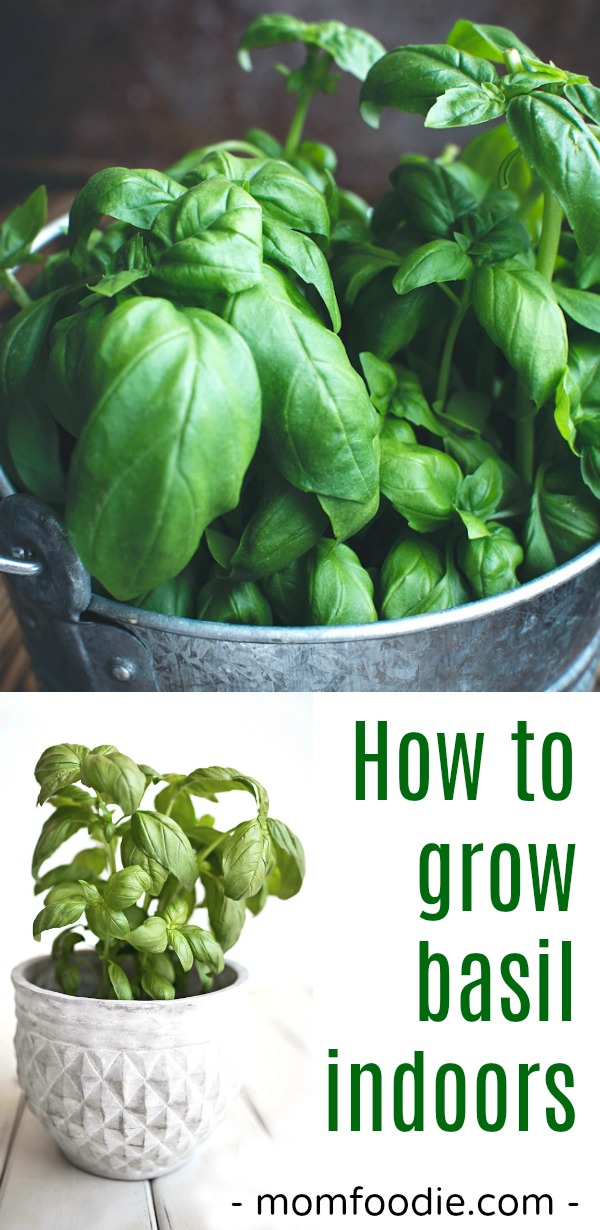
Imagine the aroma of fresh basil wafting through your home, not just from a jar of pesto, but from a thriving plant you nurtured yourself. Growing your own basil indoors is easier than you think and opens up a world of culinary possibilities right at your fingertips. Forget those sad, wilted grocery store herbs; let's get you started on your journey to a bountiful indoor basil garden!
How To Grow Basil Indoors: A Comprehensive Guide
Why Grow Basil Indoors?
Growing basil indoors offers numerous advantages over relying solely on garden-grown or store-bought basil. First and foremost, you have access to fresh, flavorful basil year-round, regardless of the season. This is a game-changer for anyone who loves to cook with fresh herbs. Imagine whipping up a Caprese salad in the dead of winter with basil you harvested moments before! Beyond year-round availability, indoor basil is also shielded from pests and harsh weather conditions that can plague outdoor gardens. You have complete control over the growing environment, leading to healthier, more productive plants.
Moreover, growing basil indoors is incredibly rewarding. There's something deeply satisfying about nurturing a plant from a tiny seed to a flourishing herb that enhances your meals. It's a small way to connect with nature, even if you live in an apartment. Plus, let's be honest, a vibrant basil plant adds a touch of green and freshness to your home décor!
Choosing the Right Basil Variety for Indoor Growing
While most basil varieties can be grown indoors, some are better suited for container gardening due to their size and growth habits. Here's a look at some popular choices:
- Sweet Basil: This is the most common type of basil, prized for its classic flavor and versatility. It's relatively easy to grow indoors and is a great starting point for beginners.
- Dwarf Basil: As the name suggests, dwarf basil varieties are compact and bushy, making them perfect for smaller spaces. They offer the same great flavor as sweet basil but in a more manageable size. 'Spicy Globe' and 'Bush Basil' are popular cultivars.
- Purple Basil: Adds a beautiful splash of color to your indoor herb garden. Its flavor is slightly different from sweet basil, with hints of clove and cinnamon. 'Opal Basil' and 'Purple Ruffles' are common choices.
- Lemon Basil: Offers a refreshing citrusy aroma and flavor, perfect for salads, seafood dishes, and teas. It's a unique and flavorful addition to your indoor basil collection.
- Thai Basil: Characterized by its licorice-like flavor and sturdy stems, Thai basil is a must-have for Asian-inspired cuisine. It's a bit more heat-tolerant than sweet basil.
Consider your personal preferences and the types of dishes you frequently cook when selecting your basil variety. Don't be afraid to experiment with different types to find your favorites!
Setting Up Your Indoor Basil Growing Station
Creating the right environment is crucial for successfully growing basil indoors. Here's what you'll need:
Proper Lighting:
Basil needs at least6-8 hours of sunlight per day to thrive. If you don't have a sunny windowsill, you'll need to supplement with artificial lighting. Full-spectrum LED grow lights are an excellent choice, as they provide the entire range of light that plants need for photosynthesis. Position the light about 6-12 inches above the plants and adjust as they grow. A timer can automate the process, ensuring consistent light exposure. Lack of adequate light is one of the most common reasons why indoor basil plants struggle. Insufficient lighting leads to leggy, weak plants with pale leaves. Plants will stretch towards the light, creating long spaces between leaves. Adequate light will grow stronger plants with greener leaves and higher yields.
Fact: Studies have shown that basil plants grown under LED grow lights produce higher levels of essential oils, resulting in more flavorful leaves.
Choosing the Right Pot and Soil:
Select a pot that is at least6 inches in diameter to give your basil plant ample room to grow. Ensure the pot has drainage holes to prevent waterlogging, which can lead to root rot. A well-draining potting mix is essential. Avoid using garden soil, as it can be too heavy and compact for container gardening. A mixture of peat moss, perlite, and vermiculite provides good drainage and aeration. You can also purchase commercially available potting mixes specifically formulated for herbs. A good rule of thumb is to choose a pot size that’s roughly equivalent to the size of the plant’s root ball plus a little extra room to grow. Consider using terracotta pots as they help the soil dry out more quickly, reducing the risk of overwatering.
Temperature and Humidity:
Basil thrives in temperatures between65-80°F (18-27°C). Avoid placing your basil plant near drafts or sources of extreme heat or cold. While basil prefers moderate humidity, it can tolerate drier conditions. If your home is particularly dry, you can increase humidity by misting the plant regularly or placing a tray of water near it. Grouping plants together can also help create a more humid microclimate. Remember, sudden temperature fluctuations can stress your basil plant, so try to maintain a consistent environment.
Air Circulation:
Good air circulation is crucial for preventing fungal diseases. A small fan placed near your basil plant can help improve airflow. Avoid overcrowding plants, as this can restrict airflow and create a humid environment that encourages fungal growth. Pruning your basil plant regularly also helps improve air circulation within the plant itself.
Planting Basil Seeds or Seedlings Indoors
You can start basil from seeds or purchase seedlings from a nursery. Starting from seeds is more economical, but it takes longer to get a harvestable plant. Seedlings provide a head start.
Starting from Seeds:
- Sow basil seeds in small pots or seed trays filled with moist potting mix.
- Gently press the seeds into the soil, but don't bury them too deep. Basil seeds need light to germinate.
- Cover the pots with a plastic dome or wrap to create a humid environment.
- Place the pots in a warm location (around 70-75°F) and keep the soil consistently moist.
- Germination typically takes 5-10 days.
- Once the seedlings have developed a few sets of true leaves, transplant them into larger pots.
Transplanting Seedlings:
- Gently remove the seedlings from their original containers.
- Loosen the roots slightly before planting.
- Plant the seedlings in larger pots filled with well-draining potting mix.
- Water thoroughly after transplanting.
When transplanting, be careful not to damage the delicate roots. Handle the seedlings with care and provide them with adequate support until they become established. Consider hardening off your seedlings before transplanting them outdoors, gradually exposing them to outdoor conditions to help them adjust.
Caring for Your Indoor Basil Plant
Once your basil plant is established, proper care is essential for ensuring healthy growth and abundant harvests.
Watering:
Water your basil plant when the top inch of soil feels dry to the touch. Avoid overwatering, as this can lead to root rot. Water thoroughly, allowing excess water to drain from the bottom of the pot. Basil prefers slightly moist but not soggy soil. During the warmer months, you may need to water more frequently. Check the soil moisture regularly and adjust your watering schedule accordingly. Wilting leaves are a sign that your basil plant needs water.
Fertilizing:
Basil is a relatively heavy feeder, so regular fertilization is important. Use a balanced liquid fertilizer diluted to half strength every 2-4 weeks. Avoid over-fertilizing, as this can lead to leggy growth and reduced flavor. Organic fertilizers, such as compost tea or fish emulsion, are also excellent choices. Look for a fertilizer with an NPK ratio (nitrogen, phosphorus, potassium) that is relatively balanced, such as 10-10-10 or 20-20-20.
Pruning and Harvesting:
Regular pruning is essential for encouraging bushy growth and preventing your basil plant from flowering. Once basil starts to flower, the leaves become bitter. Pinch off the flower buds as soon as you see them. To harvest basil, snip off leaves from the top of the plant. This encourages the plant to branch out and produce more leaves. Avoid removing more than one-third of the plant's leaves at a time. Regular harvesting will keep your basil plant productive for months.
Tip: When pruning, cut the stem just above a leaf node. This will encourage new growth to emerge from that node, resulting in a bushier plant.
Pest and Disease Control:
Indoor basil plants are generally less susceptible to pests and diseases than outdoor plants. However, they can still be affected by common pests like aphids, spider mites, and whiteflies. Inspect your plants regularly for signs of infestation. If you find pests, you can try washing them off with a strong stream of water or using insecticidal soap. For fungal diseases, such as powdery mildew, ensure good air circulation and avoid overwatering. You can also treat affected plants with a fungicide. Prevention is key, so maintain a clean growing environment and avoid overcrowding plants.
Troubleshooting Common Problems When Growing Basil Indoors
Even with the best care, you may encounter some challenges when growing basil indoors. Here are some common problems and how to address them:
- Yellowing Leaves: Can be caused by overwatering, underwatering, nutrient deficiencies, or pest infestations. Adjust your watering schedule, fertilize regularly, and inspect for pests.
- Leggy Growth: Usually caused by insufficient light. Provide more light or move your plant to a sunnier location.
- Powdery Mildew: A fungal disease that appears as white, powdery spots on the leaves. Improve air circulation and treat with a fungicide.
- Root Rot: Caused by overwatering. Ensure good drainage and allow the soil to dry out between waterings.
- Aphids: Small, sap-sucking insects that can cause distorted growth. Wash them off with water or use insecticidal soap.
By carefully monitoring your basil plant and addressing any problems promptly, you can keep it healthy and productive.
Harvesting and Storing Your Indoor Basil
Harvest basil leaves as needed throughout the growing season. The best time to harvest is in the morning, after the dew has dried. To store fresh basil, you can wrap the leaves in a damp paper towel and place them in a plastic bag in the refrigerator. Basil can also be frozen. To freeze basil, blanch the leaves in boiling water for a few seconds, then plunge them into ice water. Drain the leaves and pat them dry, then freeze them in a single layer on a baking sheet. Once frozen, transfer the leaves to a freezer bag. Frozen basil will retain its flavor for several months. You can also dry basil leaves for later use. To dry basil, hang the stems upside down in a cool, dry place. Once the leaves are completely dry, crumble them and store them in an airtight container.
Enjoying Your Homegrown Basil
Now that you know how to grow basil indoors, you can enjoy the fresh, flavorful leaves in a variety of dishes. Add basil to salads, pasta sauces, pizzas, soups, and sandwiches. Make pesto, basil-infused oil, or basil vinegar. The possibilities are endless! Experiment with different varieties of basil to find your favorite flavors. Growing your own basil indoors is a rewarding and delicious experience. With a little care and attention, you can have a constant supply of fresh basil right at your fingertips.
To keep your indoor basil thriving, you might need a reliable watering system. Consider using a75 FT Garden Hose with a 10-Function Nozzle like this amazingLeak-proof Metal Connector Water Hose, that ensures no knots or kinks and is wear-resistant. It is also anti-pet friendly and lightweight. Get yours now at:https://amzn.to/3Yv E0Bo. This metal garden hose is perfect for watering your indoor plants or maintaining your outdoor space.