Picture this: you’re making a delicious pesto, but you're out of fresh basil! A quick trip to the grocery store solves the problem, but what if you could extend the life of that store-bought basil and create an endless supply? The good news is, with a little know-how, you absolutely can! Growing Basil From Store-Bought: A Complete Guide So, can you really grow basil from store bought bunches? Absolutely! It's a fantastic way to save money, reduce waste, and enjoy fresh basil whenever you need it. However, the success of growing basil from store bought depends on a few key factors. This article will walk you through the entire process, from selecting the right basil to harvesting your homegrown leaves. We'll cover everything you need to know to successfully propagate basil from your grocery store haul. Selecting the Right Store-Bought Basil for Propagation Not all store-bought basil is created equal when it comes to propagation. To increase your ...
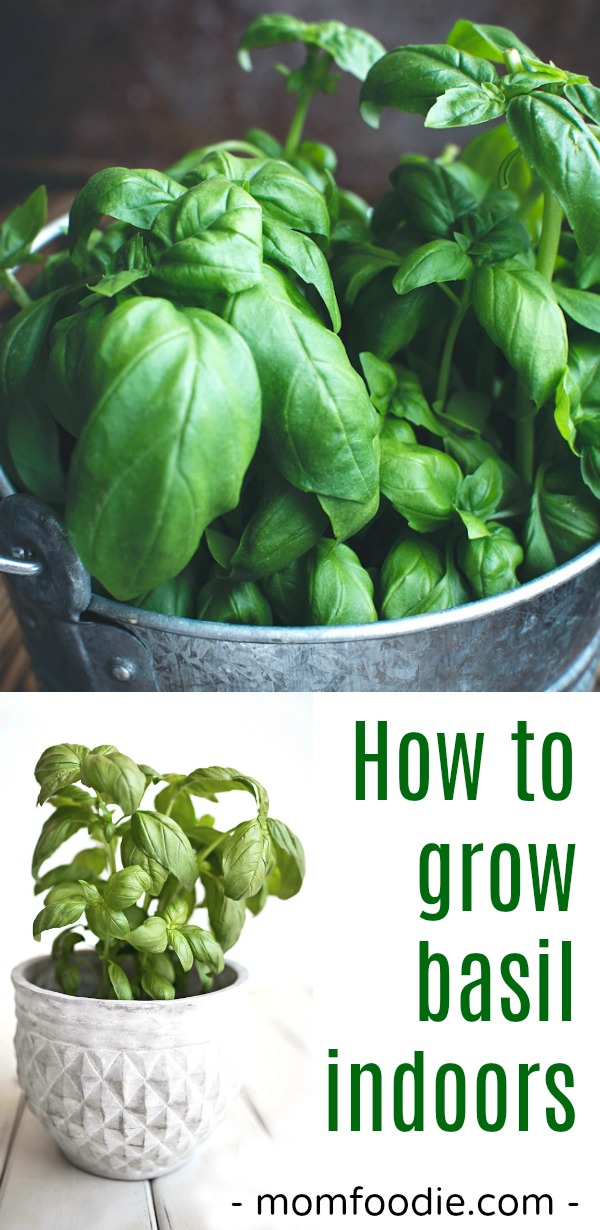
Imagine fresh, aromatic basil just a snip away, ready to elevate your culinary creations even when the snow is falling outside. Growing basil indoors is not only possible, but it's also incredibly rewarding. Forget those sad, wilted herbs from the grocery store – with a little know-how, you can have a thriving basil plant right in your kitchen, providing you with a constant supply of this versatile herb.
Getting Started: The Basics of Growing Basil Indoors
Before you embark on your indoor basil growing journey, it's essential to understand the key elements that will contribute to your success. These include choosing the right variety, providing adequate light, selecting the proper soil, and understanding watering needs. Let's delve into each of these aspects to set you up for a flourishing basil harvest. Basil thrives best at warmer temperatures. You will want to make sure to grow it in a warmer room of your home.
Choosing the Right Basil Variety for Indoor Growth
Not all basil varieties are created equal when it comes to indoor cultivation. While you can technically grow any type of basil indoors, some are better suited for container gardening than others. Consider these factors when selecting your basil variety:
- Compactness: Bush basil varieties, such as Spicy Globe or Greek Columnar basil, tend to stay smaller and more manageable in pots.
- Growth Rate: Slower-growing varieties might be preferable if you want a more consistent supply without constant pruning.
- Flavor: Choose a variety whose flavor profile you enjoy the most. Sweet basil is a classic choice, but lemon basil, Thai basil, and purple basil offer unique and exciting flavors.
Here are a few popular choices for growing basil indoors:
- Sweet Basil (Ocimum basilicum): The most common type, known for its classic Italian flavor.
- Genovese Basil: A popular sweet basil variety with slightly larger leaves.
- Bush Basil (Ocimum basilicum minimum): A compact variety that stays small and bushy.
- Lemon Basil (Ocimum x citriodorum): Offers a refreshing citrusy aroma and flavor.
- Thai Basil (Ocimum basilicum var. thyrsiflora): Features a spicy, anise-like flavor, perfect for Asian cuisine.
Experiment with different varieties to find your favorites! The best part of indoor gardening is trying new things. Maybe your favorite herb is Thai Basil, which can be very strong and useful in cooking. One thing you need to be aware of is the spacing. For a plant like Thai Basil, make sure the pot size is adequate to allow it to grow fully.
Providing Adequate Light for Your Indoor Basil Plant
Light is the lifeblood of any plant, and basil is no exception. Basil requires a significant amount of light – ideally, at least 6-8 hours of direct sunlight per day. If you don't have a sunny windowsill, don't despair! You can supplement natural light with grow lights. Insufficient light can lead to leggy growth, pale leaves, and a weakened plant that is more susceptible to pests and diseases.
Here are some lighting options to consider:
- Natural Sunlight: A south-facing window is ideal, but east- or west-facing windows can also work. Rotate your plant regularly to ensure even light exposure.
- Grow Lights: Fluorescent grow lights are a good option for supplemental lighting. LED grow lights are more energy-efficient and produce less heat. Place the lights a few inches above the plant and adjust as it grows.
Tip: If your basil plant is getting enough light, the leaves will be a vibrant green and the stem will be sturdy. If the leaves are pale or yellowing, or the stem is weak and elongated, it's a sign that the plant needs more light.
Selecting the Proper Soil and Container for Indoor Basil
The right soil is crucial for healthy basil growth. Avoid using garden soil, as it can be too heavy and may contain pests or diseases. Instead, opt for a well-draining potting mix specifically formulated for containers. This type of mix typically contains a blend of peat moss, perlite, and vermiculite, which provides good aeration and drainage.
When choosing a container, make sure it has drainage holes to prevent waterlogging. The size of the container will depend on the variety of basil you're growing, but a pot that's at least 6 inches in diameter is generally a good starting point. As the plant grows, you may need to repot it into a larger container. The plant needs room for the roots to expand.
Here are some container options to consider:
- Terracotta pots: Porous and allow for good aeration.
- Plastic pots: Lightweight and retain moisture well.
- Self-watering pots: Great for beginners as they help prevent overwatering.
Watering Your Indoor Basil Plant Correctly
Watering is a delicate balance when it comes to growing basil indoors. Overwatering can lead to root rot, while underwatering can cause wilting and stunted growth. The key is to water thoroughly when the top inch of soil feels dry to the touch. Allow the excess water to drain out of the bottom of the pot. Avoid getting water on the leaves, as this can promote fungal diseases. Basil is a very sensitive plant, so you need to be extra careful when you water it.
Tip: Use your finger to check the soil moisture before watering. If the soil feels damp, wait a day or two before watering again.
Caring for Your Indoor Basil Plant
Once you've established the basics, proper care is essential for maintaining a healthy and productive basil plant. This includes pruning, fertilizing, and pest control. Understanding these aspects will help you enjoy a continuous harvest of fresh basil.
Pruning Your Basil Plant for Optimal Growth
Pruning is essential for encouraging bushier growth and preventing your basil plant from becoming leggy. When the plant reaches about 6 inches tall, start pinching off the top sets of leaves. This will encourage the plant to branch out and produce more leaves. Always prune above a leaf node (the point where leaves emerge from the stem). As your plant grows, be sure to prune the top leaves on the plant.
Tip: Regularly remove any flowers that appear. Basil plants produce flowers as part of their natural life cycle, but flowering will reduce leaf production. Pinching off the flower buds will encourage the plant to focus its energy on producing more leaves.
Fertilizing Your Indoor Basil Plant
Basil is a relatively heavy feeder and benefits from regular fertilization. Use a balanced liquid fertilizer diluted to half strength every 2-3 weeks during the growing season (spring and summer). Avoid over-fertilizing, as this can lead to leggy growth and a buildup of salts in the soil.
Tip: Look for a fertilizer that's specifically formulated for herbs or vegetables. These fertilizers typically contain a balanced ratio of nitrogen, phosphorus, and potassium, as well as micronutrients that are essential for healthy plant growth.
Dealing with Pests and Diseases
While indoor basil plants are generally less susceptible to pests and diseases than outdoor plants, they can still be affected. Common pests include aphids, spider mites, and whiteflies. Check your plant regularly for signs of infestation, such as sticky residue, webbing, or tiny insects on the leaves.
If you notice any pests, try these control methods:
- Wash the plant: Use a strong stream of water to dislodge the pests.
- Insecticidal soap: Spray the plant with insecticidal soap, following the instructions on the label.
- Neem oil: Neem oil is a natural insecticide that can be effective against a variety of pests.
Common diseases that can affect basil include fungal diseases such as powdery mildew and downy mildew. To prevent these diseases, provide good air circulation, avoid getting water on the leaves, and remove any infected leaves promptly.
Harvesting and Using Your Indoor Basil
One of the greatest joys of growing basil indoors is being able to harvest fresh leaves whenever you need them. Harvest leaves regularly to encourage continued growth. Simply snip off the leaves as needed, starting with the older leaves at the bottom of the plant. Avoid removing more than one-third of the plant at a time.
Fresh basil is a versatile herb that can be used in a variety of dishes, including:
- Pesto: A classic Italian sauce made with basil, pine nuts, garlic, Parmesan cheese, and olive oil.
- Tomato sauce: Add fresh basil to your favorite tomato sauce for a burst of flavor.
- Salads: Sprinkle fresh basil leaves over salads for a refreshing touch.
- Pizza: Top your pizza with fresh basil leaves after baking.
- Soups: Add fresh basil to soups for a fragrant and flavorful addition.
To preserve your basil harvest, you can dry the leaves or freeze them. Dried basil will lose some of its flavor, but it can still be used in cooking. To freeze basil, blanch the leaves briefly in boiling water, then shock them in ice water. Drain the leaves and freeze them in airtight containers or freezer bags. Frozen basil will retain more of its flavor than dried basil.
With its versatility, basil is a wonderful addition to almost every meal. Consider using a great garden hose to keep your plant watered. Did you know that a75 FT Garden Hose with a 10-Function Nozzle can make watering your basil and other indoor plants a breeze? This leak-proof metal connector water hose, which is kink-free and wear-resistant, ensures you reach every corner of your indoor garden with ease. Plus, it's available on Amazon: https://amzn.to/3Yv E0Bo.
Troubleshooting Common Issues When Growing Basil Indoors
Even with the best intentions, you may encounter some challenges when growing basil indoors. Here are some common issues and how to address them:
- Yellowing leaves: This can be caused by overwatering, underwatering, nutrient deficiencies, or insufficient light. Adjust your watering habits, fertilize the plant, and ensure it's getting enough light.
- Leggy growth: This is usually a sign of insufficient light. Move the plant to a sunnier location or supplement with grow lights. Prune the plant to encourage bushier growth.
- Wilting: This can be caused by underwatering or root rot. Check the soil moisture and water accordingly. If the soil is waterlogged, repot the plant into fresh soil.
- Pests: Inspect the plant regularly for pests and treat accordingly using insecticidal soap, neem oil, or other appropriate methods.
Growing basil indoors can be a rewarding experience, providing you with a constant supply of fresh, flavorful herbs. By following these tips and troubleshooting any issues that arise, you can enjoy a thriving basil plant year-round.
Conclusion: Enjoying Your Homegrown Basil
Congratulations, you now have the knowledge to successfully grow a basil plant indoors! From choosing the right variety to providing adequate light and water, you are well-equipped to cultivate your own little slice of herbal heaven. So, get your hands dirty, embrace the process, and savor the delicious rewards of homegrown basil.