Picture this: you’re making a delicious pesto, but you're out of fresh basil! A quick trip to the grocery store solves the problem, but what if you could extend the life of that store-bought basil and create an endless supply? The good news is, with a little know-how, you absolutely can! Growing Basil From Store-Bought: A Complete Guide So, can you really grow basil from store bought bunches? Absolutely! It's a fantastic way to save money, reduce waste, and enjoy fresh basil whenever you need it. However, the success of growing basil from store bought depends on a few key factors. This article will walk you through the entire process, from selecting the right basil to harvesting your homegrown leaves. We'll cover everything you need to know to successfully propagate basil from your grocery store haul. Selecting the Right Store-Bought Basil for Propagation Not all store-bought basil is created equal when it comes to propagation. To increase your ...
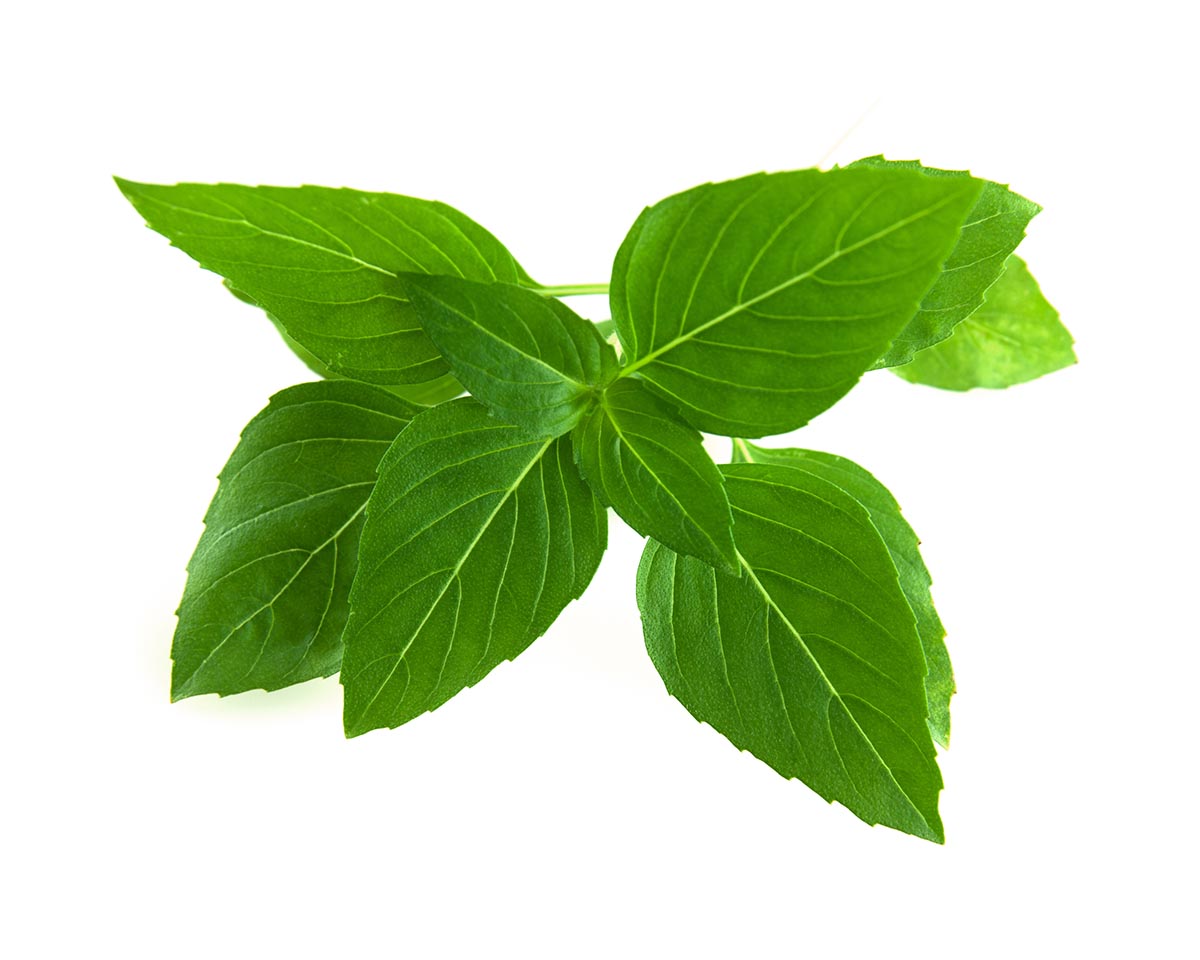
Imagine the aroma of freshly picked Thai basil wafting through your kitchen, ready to elevate your next stir-fry or summer roll. No need to rely on grocery store herbs that wilt within days! Growing your own Thai basil indoors is easier than you might think, and it's a rewarding way to add fresh, vibrant flavor to your cooking all year round. Let's explore the wonderful world of indoor Thai basil gardening!
Why Grow Thai Basil Indoors?
There are so many benefits to cultivating your own Thai basil indoors! First and foremost is thefreshness factor. Imagine snipping a few leaves right before adding them to your dish – the aroma and flavor are simply unparalleled compared to store-bought herbs that have traveled miles and sat on shelves for days. Beyond flavor, growing your own herbs is incredibly convenient. No more last-minute trips to the store when you realize you're missing that key ingredient. Plus, it's significantly more economical in the long run. Think of how many little plastic clamshells of herbs you buy each year; growing your own allows you to harvest what you need, when you need it, minimizing waste and saving money. And of course, there's the sheer joy of nurturing a plant and watching it thrive! It's a simple pleasure that can add a touch of greenery and tranquility to your indoor space.
Choosing the Right Thai Basil Variety for Indoor Growing
While all Thai basil shares a similar anise-like flavor, there are subtle variations that can influence your growing experience. Most commonly available Thai basil varieties are suitable for indoor cultivation. Look for seed packets labeled simply as "Thai Basil," or those mentioning 'Siam Queen' or 'Horapha' which are known to thrive in container gardens. 'Siam Queen' is particularly popular due to its compact size and prolific flowering, making it both visually appealing and productive. Consider starting with seeds from a reputable source to ensure you're getting a viable and true-to-type plant. Alternatively, you can propagate Thai basil from cuttings of an existing plant. Simply place a few stems in water until roots develop, then transplant into soil. This is a quick way to get a head start, especially if you already know someone who grows Thai basil!
Essential Conditions for Growing Thai Basil Indoors
Lighting Requirements for Indoor Thai Basil
Thai basil, like most herbs, craves sunlight. To thrive indoors, it needs at least*6-8 hours of direct sunlight per day. A south-facing window is ideal. However, if you don't have access to sufficient natural light, you'll need to supplement with grow lights. Fluorescent or LED grow lights are both good options. Place the light source a few inches above the plants. Consider using a timer to ensure consistent light exposure, mimicking the natural rhythm of the sun. If your Thai basil is leggy (tall and spindly with few leaves) and leaning towards the light source, it's a clear sign that it needs more light. Proper lighting is absolutely crucial for robust growth and flavorful leaves.
Soil and Potting for Indoor Thai Basil
Well-draining soil is essential for healthy Thai basil. Use a high-quality potting mix designed for containers. Avoid using garden soil, as it can become compacted and restrict drainage. A good potting mix will retain moisture while also allowing excess water to escape, preventing root rot. Choose a pot that is at least*6-8 inches in diameter. The pot should have drainage holes at the bottom. Terra cotta pots are a good choice, as they allow the soil to breathe. You might also consider fabric pots, which further enhance drainage and aeration. Repot your Thai basil as needed if it outgrows its container. Signs that it's time to repot include roots circling the bottom of the pot or the plant becoming root-bound.
Watering and Humidity for Indoor Thai Basil
Thai basil likes consistently moist soil, but not soggy. Water when the top inch of soil feels dry to the touch. Avoid overwatering, which can lead to root rot. When you water, water thoroughly until water drains out of the drainage holes. Empty the saucer beneath the pot to prevent the plant from sitting in water. Thai basil prefers moderate humidity. If your indoor air is dry, especially during the winter months, you can increase humidity by misting the plant regularly, using a humidifier, or placing the pot on a tray filled with pebbles and water. Make sure the bottom of the pot is not touching the water directly. Grouping plants together can also help to create a more humid microclimate.
Temperature Considerations for Thai Basil Grown Indoors
Thai basil is a warm-weather herb and thrives in temperatures between65°F and 80°F (18°C and 27°C). Avoid placing your plant near drafty windows or heating vents. Sudden temperature fluctuations can stress the plant and stunt its growth. Maintain a consistent temperature for optimal growth and flavor development. Thai basil is quite sensitive to frost. So always bring the plant indoors before the temperature drops.
Caring for Your Indoor Thai Basil Plant
Once you've established the right conditions, maintaining your indoor Thai basil plant is relatively straightforward. Regular pruning is essential for encouraging bushy growth and preventing the plant from becoming leggy. Pinch off the top sets of leaves regularly, especially when you see flower buds forming. Flowering will signal to the plant to stop producing leaves, so pinching off the buds encourages continued leaf production. You can also prune your Thai basil to shape it and remove any yellowing or dead leaves. Fertilize your Thai basil every 2-4 weeks with a balanced liquid fertilizer diluted to half strength. This will provide the plant with the nutrients it needs to grow vigorously. Monitor your plant for pests, such as aphids or spider mites. If you spot any pests, treat them promptly with insecticidal soap or neem oil. Regular inspection and prompt treatment can prevent minor infestations from becoming major problems. Thai basil is relatively low-maintenance. A little care will keep it thriving and producing delicious leaves for months.
To make watering your indoor Thai basil even easier, consider using a reliable garden hose. The Garden Hose 75 FT with 10-Function Nozzle, Leak-proof Metal Connector Water Hose, No Knots, Kink-Free, Lighter, Anti-Pets, Wear-Resistant, 3/4 GHT, Metal Hose is a great option for indoor and outdoor use! You can find it here:https://amzn.to/3Yv E0Bo
Harvesting and Using Your Indoor Thai Basil
You can start harvesting Thai basil leaves as soon as the plant has several sets of leaves. Simply snip off the leaves you need using scissors or your fingers. Harvest from the top of the plant, as this will encourage branching and bushier growth. Harvest regularly to keep the plant productive. Thai basil is best used fresh. Add it to your dishes at the end of cooking to preserve its flavor and aroma. It's a key ingredient in many Southeast Asian dishes, such as Thai curries, stir-fries, and noodle soups. You can also use it to make pesto, infused oils, or simply sprinkle it on salads. If you have more Thai basil than you can use fresh, you can dry it or freeze it. To dry Thai basil, hang sprigs upside down in a cool, dark place until they are completely dry. To freeze Thai basil, chop the leaves and freeze them in ice cube trays filled with water or oil. This will preserve the flavor and aroma for several months.
Troubleshooting Common Problems with Indoor Thai Basil
Even with the best care, you might encounter some problems when growing Thai basil indoors. Here are some common issues and how to address them: Yellowing leaves: This can be caused by overwatering, underwatering, or nutrient deficiencies. Adjust your watering schedule and fertilize the plant if needed. Leggy growth: This is usually a sign of insufficient light. Move the plant to a sunnier location or supplement with grow lights. Pests: Inspect your plant regularly for pests and treat them promptly with insecticidal soap or neem oil. Root rot: This is caused by overwatering and poor drainage. Repot the plant in fresh potting mix and ensure the pot has drainage holes. Adjust your watering schedule to allow the soil to dry out slightly between waterings.
Growing Thai basil indoors is a rewarding and flavorful experience. With a little care and attention, you can enjoy fresh, aromatic herbs year-round, right in your own home. So, get those seeds, select a pot, and bring a little bit of Thailand into your kitchen.