Picture this: you’re making a delicious pesto, but you're out of fresh basil! A quick trip to the grocery store solves the problem, but what if you could extend the life of that store-bought basil and create an endless supply? The good news is, with a little know-how, you absolutely can! Growing Basil From Store-Bought: A Complete Guide So, can you really grow basil from store bought bunches? Absolutely! It's a fantastic way to save money, reduce waste, and enjoy fresh basil whenever you need it. However, the success of growing basil from store bought depends on a few key factors. This article will walk you through the entire process, from selecting the right basil to harvesting your homegrown leaves. We'll cover everything you need to know to successfully propagate basil from your grocery store haul. Selecting the Right Store-Bought Basil for Propagation Not all store-bought basil is created equal when it comes to propagation. To increase your ...
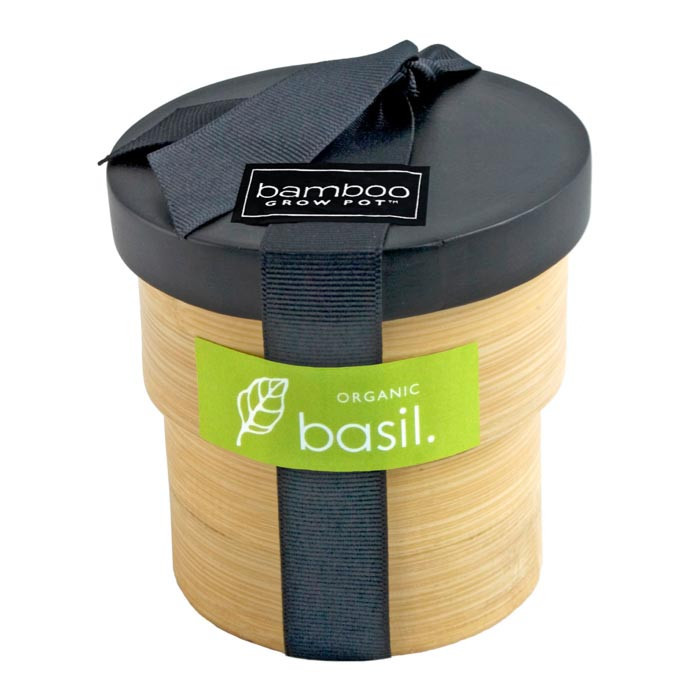
Imagine the aroma of freshly picked basil wafting through your kitchen, ready to be sprinkled on a homemade pizza or stirred into a vibrant pesto. It's not just a dream – growing your own basil, even in a simple pot, is easier than you think! Let's dive into the wonderful world of container basil gardening and learn how to cultivate a thriving herb garden right at your fingertips.
Why Grow Basil in a Pot? The Perks of Potted Basil
Growing basil in pots offers a fantastic range of benefits, making it an ideal option for both seasoned gardeners and beginners alike. Here are a few compelling reasons to consider potted basil:
- Space Saving: Whether you live in an apartment with a small balcony or have limited garden space, growing basil in pots allows you to enjoy fresh herbs regardless of your spatial constraints. Even a sunny windowsill can become a mini herb garden!
- Portability: One of the greatest advantages of potted basil is its portability. You can easily move your basil plant to the sunniest spot as the seasons change or bring it indoors to protect it from frost during colder months. This flexibility ensures your basil receives optimal growing conditions year-round.
- Pest Control: Growing basil in pots can help you better manage and control pests and diseases. By keeping your plants elevated and separate from the ground, you reduce the risk of soilborne pests and make it easier to inspect and treat any issues that arise.
- Control Over Soil: Container gardening gives you complete control over the soil composition. You can create a perfectly balanced growing medium that meets basil's specific needs, ensuring optimal nutrient availability and drainage.
- Aesthetic Appeal: A lush, green basil plant can add a touch of beauty to your home or outdoor space. Choose a decorative pot that complements your style, and you'll have both a functional herb and an attractive accent.
Choosing the Right Pot and Soil for Your Basil Plant
Selecting the correct pot and soil is crucial for successful basil cultivation. Think of it as laying the foundation for a healthy, productive plant. Let's explore the key considerations:
Pot Size and Material
When it comes to pot size, a general rule of thumb is to choose a container that is at least 6-8 inches in diameter for a single basil plant. For larger varieties or if you plan to grow multiple plants together, opt for a bigger pot, such as a 12-inch or larger container. Adequate space allows the roots to spread and prevents the plant from becoming root-bound, which can stunt its growth.
As for the material, several options are available, each with its own pros and cons:
- Terra Cotta: Terra cotta pots are porous, allowing for excellent airflow and drainage. This helps prevent overwatering and root rot. However, they can dry out quickly, especially in hot weather, so frequent watering may be necessary.
- Plastic: Plastic pots are lightweight, affordable, and retain moisture well. They are a good option for gardeners who tend to underwater their plants. However, they can heat up quickly in direct sunlight, potentially damaging the roots. Choose darker pots carefully in hot climates.
- Ceramic: Ceramic pots offer a balance of aesthetics and functionality. They are less porous than terra cotta but more durable than plastic. They come in a wide variety of designs, allowing you to express your personal style.
Regardless of the material you choose, ensure that the pot has drainage holes to prevent water from accumulating at the bottom. Poor drainage can lead to root rot, which is a common killer of basil plants.
Selecting the Right Soil
Basil thrives in well-draining, nutrient-rich soil with a slightly acidic to neutral p H (around 6.0 to
7.5). Avoid using garden soil directly in your pots, as it tends to be too heavy and compacted, hindering drainage and root growth. Instead, opt for a high-quality potting mix specifically formulated for containers.
A good potting mix typically consists of a blend of peat moss, perlite, and vermiculite. Peat moss helps retain moisture, while perlite and vermiculite improve drainage and aeration. You can also amend your potting mix with compost or other organic matter to provide additional nutrients.
Consider these soil mix recipes, adjusting as necessary depending on your climate and resources:
Recipe 1: Basic Mix
- 60% Peat Moss or Coco Coir
- 30% Perlite
- 10% Compost
Recipe 2: Enriched Mix
- 50% High-Quality Potting Mix
- 25% Compost or Well-Rotted Manure
- 25% Perlite or Vermiculite
Before planting, moisten the potting mix thoroughly and allow it to drain. This will ensure that the soil is evenly hydrated when you transplant your basil plant.
Planting Your Basil Seedlings or Cuttings
You have two primary options for starting your basil plants: seedlings or cuttings. Each method has its own advantages and considerations.
Starting from Seedlings
Purchasing basil seedlings from a local nursery or garden center is the easiest and fastest way to get started. Choose healthy-looking plants with vibrant green leaves and strong stems. Avoid plants that appear wilted, yellowed, or have signs of pests or diseases.
Before transplanting, gently loosen the roots of the seedlings to encourage them to spread into the new soil. Dig a hole in the potting mix that is slightly larger than the root ball. Place the seedling in the hole, ensuring that the top of the root ball is level with the soil surface. Backfill the hole with potting mix and gently firm the soil around the base of the plant.
Water the newly transplanted seedling thoroughly to help it settle in. Avoid overwatering, as this can lead to root rot. Keep the soil consistently moist but not soggy.
Propagating from Cuttings
Propagating basil from cuttings is a cost-effective and rewarding way to expand your herb garden. It's also a great way to preserve your favorite basil varieties.
To take a basil cutting, select a healthy stem that is about 4-6 inches long. Remove the leaves from the bottom two inches of the stem. Place the cutting in a glass of water, ensuring that the bare stem is submerged. Position the glass in a bright, indirect light location.
Change the water every day or two to prevent bacterial growth. Within a week or two, the cutting should develop roots. Once the roots are about an inch long, you can transplant the cutting into a pot filled with potting mix.
Water the newly transplanted cutting thoroughly and keep the soil consistently moist. Provide support for the cutting if needed until it establishes itself.
Caring for Your Potted Basil: Sunlight, Water, and Nutrients
Once your basil plant is safely nestled in its pot, it's time to provide the essential care it needs to thrive. This involves paying close attention to sunlight, watering, and nutrient requirements.
Sunlight Requirements
Basil is a sun-loving herb that requires at least 6-8 hours of direct sunlight per day. Insufficient sunlight can lead to leggy growth, pale leaves, and reduced flavor. If you are growing basil indoors, place it near a sunny window or use grow lights to supplement the natural light. Rotate the plant regularly to ensure that all sides receive equal exposure.
Watering Techniques
Proper watering is crucial for basil's health. Basil prefers consistently moist soil, but it does not tolerate being waterlogged. Water deeply when the top inch of soil feels dry to the touch. Avoid overhead watering, as this can promote fungal diseases. Instead, water at the base of the plant, directing the water towards the roots.
During hot weather, you may need to water your basil plant more frequently, possibly even daily. Check the soil moisture regularly to ensure that it doesn't dry out completely. Conversely, during cooler weather, you can reduce the watering frequency.
Fertilizing Your Basil
Basil is a relatively heavy feeder and benefits from regular fertilization. Use a balanced, water-soluble fertilizer diluted to half strength every 2-4 weeks. Look for a fertilizer with an NPK ratio (nitrogen, phosphorus, potassium) of around 10-10-10 or 20-20-20. Alternatively, you can use an organic fertilizer, such as compost tea or fish emulsion.
Avoid over-fertilizing, as this can lead to excessive foliage growth at the expense of flavor. It can also burn the roots and damage the plant. Always follow the instructions on the fertilizer label and err on the side of caution.
Pruning and Harvesting Your Basil for Bushier Growth
Pruning and harvesting are essential practices that not only encourage bushier growth but also prolong the life of your basil plant and ensure a continuous supply of fresh leaves. Let's explore the best techniques:
Pinching and Topping
Pinching and topping are simple yet effective ways to promote branching and prevent your basil plant from becoming leggy. When your basil plant is about 6 inches tall, pinch off the top set of leaves just above a node (the point where leaves emerge from the stem). This will encourage the plant to produce two new stems, resulting in a bushier shape.
Continue to pinch and top the plant as it grows, removing the top sets of leaves regularly. This will not only encourage branching but also delay flowering, which can diminish the flavor of the leaves.
Harvesting Techniques
Harvest basil leaves regularly to encourage continued growth. The best time to harvest is in the morning after the dew has dried but before the heat of the day. Use sharp scissors or pruning shears to cut the stems just above a node. Avoid tearing the leaves, as this can damage the plant.
You can harvest up to one-third of the plant at a time without harming it. If you need a larger quantity of basil, you can harvest entire stems. Be sure to leave enough leaves on the plant to allow it to continue photosynthesizing and growing.
Regular harvesting prevents the plant from bolting (going to seed). Once basil flowers, the leaves become bitter and less flavorful. If you notice flower buds forming, pinch them off immediately to prolong the harvest.
Common Pests and Diseases Affecting Potted Basil and How to Manage Them
While basil is generally a resilient herb, it can be susceptible to certain pests and diseases. Regular inspection and prompt action are key to preventing and managing these issues.
Common Pests
- Aphids: These tiny, sap-sucking insects can quickly infest basil plants, causing stunted growth and distorted leaves. They often appear in clusters on new growth. Control aphids by spraying them with a strong stream of water, insecticidal soap, or neem oil.
- Spider Mites: These minuscule pests are difficult to see with the naked eye but can cause significant damage. They create fine webs on the undersides of leaves and suck the sap, leading to yellowing and stippling. Treat spider mites with insecticidal soap, neem oil, or horticultural oil.
- Slugs and Snails: These nocturnal pests can devour basil leaves overnight. Control them by handpicking them off the plants, using slug bait, or creating barriers with copper tape.
Common Diseases
- Root Rot: This fungal disease is caused by overwatering and poor drainage. It leads to wilting, yellowing, and eventual death of the plant. Prevent root rot by ensuring proper drainage and avoiding overwatering. If root rot occurs, remove the affected plant and replace the soil.
- Fusarium Wilt: This soilborne fungal disease causes wilting and yellowing of the leaves, followed by the death of the plant. There is no cure for Fusarium wilt, so prevention is key. Use disease-free potting mix and avoid overwatering.
- Downy Mildew: This fungal disease causes yellow spots on the upper surfaces of leaves and a grayish-purple mold on the undersides. It thrives in humid conditions. Improve air circulation, avoid overhead watering, and treat with a fungicide if necessary.
Pro Tip: Regularly inspect your basil plants for signs of pests or diseases. Early detection and prompt treatment can prevent minor problems from escalating into major infestations or infections.
Troubleshooting Common Problems When Growing Basil in Pots
Even with the best care, you may encounter some challenges when growing basil in pots. Here's a guide to troubleshooting common problems:
- Yellowing Leaves: This can be caused by overwatering, underwatering, nutrient deficiencies, or pests. Check the soil moisture, fertilize as needed, and inspect for pests.
- Wilting Leaves: This can be caused by underwatering, root rot, or transplant shock. Water deeply if the soil is dry, check for signs of root rot, and provide shade during the hottest part of the day if the plant has recently been transplanted.
- Leggy Growth: This is usually caused by insufficient sunlight. Move the plant to a sunnier location or use grow lights.
- Bitter Leaves: This can be caused by flowering or stress. Pinch off any flower buds and ensure that the plant is receiving adequate water, sunlight, and nutrients.
Keep a close eye on your basil plants and address any problems promptly. With a little attention and care, you can overcome these challenges and enjoy a bountiful harvest.
To keep your potted basil properly hydrated, you'll need a reliable watering solution. I've found that theGarden Hose 75 FT with 10-Function Nozzle is a fantastic option for watering all my container plants. This leak-proof, kink-free75-foot garden hose with its versatile 10-function nozzle has been a game-changer for maintaining my garden and more. It's lightweight and wear-resistant, making it easy to maneuver around my patio, and its metal connectors ensure a secure, leak-free connection to my outdoor faucet. Check it out here: Garden Hose 75 FT
Enjoying Your Homegrown Basil: Recipes and Uses
Now that you've successfully grown your own basil in a pot, it's time to reap the rewards and enjoy the delicious flavor of your homegrown herb. Basil is incredibly versatile and can be used in a wide variety of culinary applications.
Culinary Uses
- Pesto: This classic Italian sauce is made with fresh basil, pine nuts, garlic, Parmesan cheese, and olive oil. It's delicious tossed with pasta, spread on sandwiches, or used as a topping for pizza.
- Caprese Salad: This simple and elegant salad features fresh basil, ripe tomatoes, and mozzarella cheese. Drizzle with olive oil and balsamic glaze for a burst of flavor.
- Pizza Topping: Sprinkle fresh basil leaves on top of your homemade or store-bought pizza for a fragrant and flavorful finishing touch.
- Soups and Stews: Add fresh basil to your favorite soups and stews for a hint of herbaceousness.
- Salads: Incorporate fresh basil leaves into your green salads for a refreshing and aromatic twist.
- Infused Oils and Vinegars: Infuse olive oil or vinegar with fresh basil for a flavorful condiment.
- Teas: Steep fresh basil leaves in hot water for a soothing and aromatic herbal tea.
Beyond the Kitchen
Beyond its culinary uses, basil also offers several health benefits. It is rich in antioxidants, vitamins, and minerals. It has anti-inflammatory properties and may help boost the immune system and improve digestion. Additionally, the aroma of basil is known to have a calming effect and can help reduce stress and anxiety.
Growing basil in a pot is a rewarding and enjoyable experience. With a little care and attention, you can cultivate a thriving herb garden right at your fingertips and enjoy the fresh, flavorful leaves of this versatile herb all season long. Happy gardening!