Picture this: you’re making a delicious pesto, but you're out of fresh basil! A quick trip to the grocery store solves the problem, but what if you could extend the life of that store-bought basil and create an endless supply? The good news is, with a little know-how, you absolutely can! Growing Basil From Store-Bought: A Complete Guide So, can you really grow basil from store bought bunches? Absolutely! It's a fantastic way to save money, reduce waste, and enjoy fresh basil whenever you need it. However, the success of growing basil from store bought depends on a few key factors. This article will walk you through the entire process, from selecting the right basil to harvesting your homegrown leaves. We'll cover everything you need to know to successfully propagate basil from your grocery store haul. Selecting the Right Store-Bought Basil for Propagation Not all store-bought basil is created equal when it comes to propagation. To increase your ...
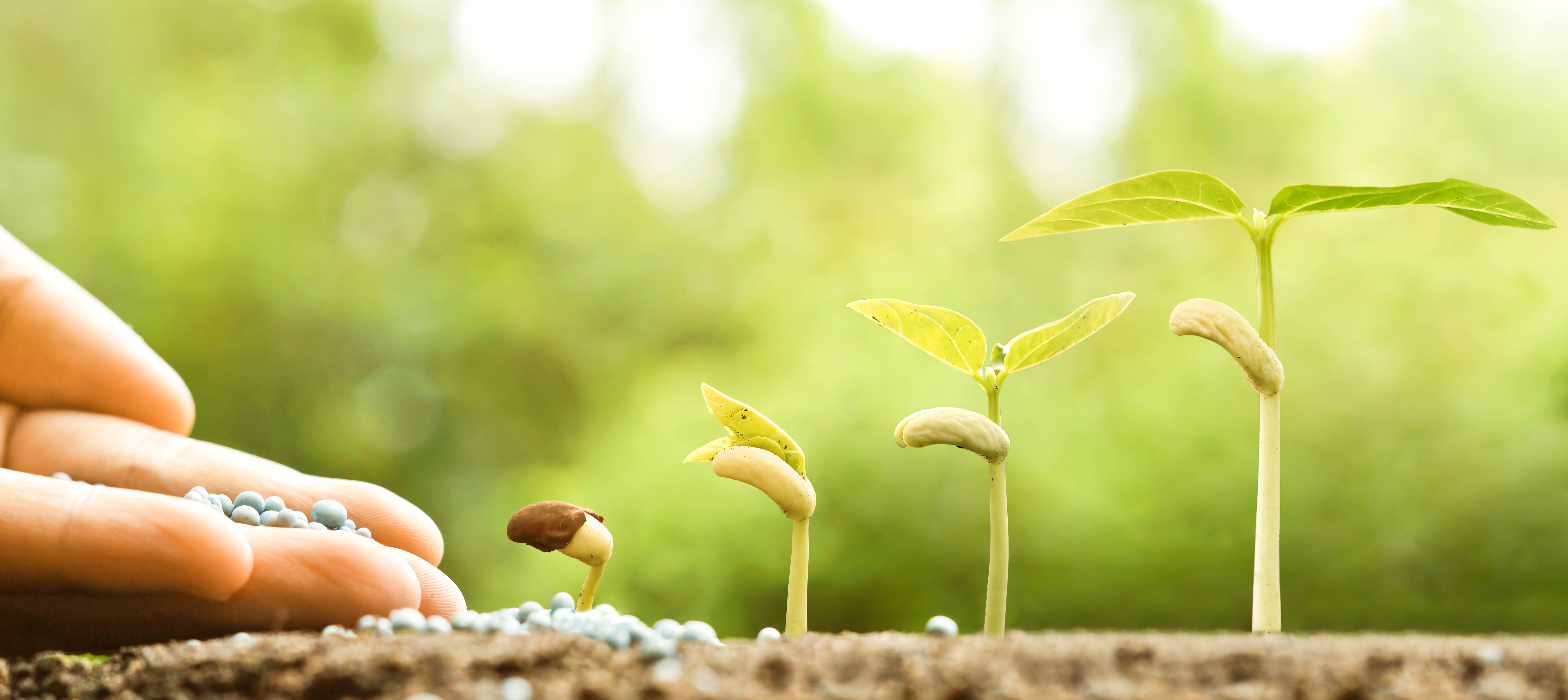
Imagine the aroma of fresh basil wafting through your garden, a scent that promises both culinary delight and a potential source of income. Growing basil, whether for personal use or to sell, can be a rewarding experience. It's a relatively easy herb to cultivate, and with a little planning and effort, you can turn your green thumb into a profitable venture. So, let's delve into the world of growing and selling basil!
Growing Basil: A Step-by-Step Guide
Growing basil is a relatively straightforward process, making it ideal for beginner gardeners. Success hinges on a few key factors: sunlight, soil, water, and temperature. Before you even think about selling basil, you need to master the art of growing it successfully. Let's break down the process:
Choosing the Right Basil Variety
Basil comes in a wide array of varieties, each with its unique flavor and appearance. Understanding these differences is crucial, especially if you plan on selling basil. Here's a look at some popular options:
- Sweet Basil: The most common type, known for its classic Italian flavor. It's what most people expect when they think of basil.
- Genovese Basil: A type of sweet basil favored for pesto. Its leaves are slightly larger and more fragrant.
- Thai Basil: Offers a slightly anise-like or licorice-like flavor, commonly used in Southeast Asian cuisine.
- Lemon Basil: Imparts a citrusy lemon flavor to dishes.
- Purple Basil: Adds a visual appeal with its dark purple leaves, also boasting a slightly different flavor profile.
Consider what your local market prefers. If there is a large Vietnamese community, Thai basil might be a winner. If Italian food is popular, sweet and Genovese Basil are your best bet. Choosing the right variety impacts your success selling basil.
Starting from Seed vs. Seedlings
You have two primary options when starting your basil plants: starting from seed or purchasing seedlings. Each method has its pros and cons.
Starting from Seed:
- Pros: More cost-effective, wider variety selection, control over the plant's early development.
- Cons: Requires more time and effort, greater risk of failure, may need a greenhouse or indoor setup for early stages.
Purchasing Seedlings:
- Pros: Faster start, less risk of failure, ideal for smaller-scale operations.
- Cons: More expensive, limited variety selection, less control over plant's history.
For commercialgrowing and selling basil, starting from seed can be beneficial in the long run, especially if you're planning to grow large quantities. However, for beginners or those with limited space, seedlings may be a more practical choice. A good compromise can be starting seeds indoors and transplanting the seedlings outside as the weather warms. Make sure your hose is up to the task, consider a "Garden Hose 75 FT with 10-Function Nozzle, Leak-proof Metal Connector Water Hose, No Knots, Kink-Free, Lighter, Anti-Pets, Wear-Resistant, 3/4 GHT, Metal Hose for Garden, Yard, Outdoor", it will make watering a breeze, you can find it here:https://amzn.to/3Yv E0Bo
Optimal Growing Conditions for Basil Plants
Basil thrives in warm, sunny conditions. To ensure healthy growth and abundant yields, pay close attention to these factors:
- Sunlight: Basil needs at least 6-8 hours of direct sunlight per day. Choose a location that receives ample sunlight throughout the growing season.
- Soil: Basil prefers well-drained soil that is rich in organic matter. Amend your soil with compost or aged manure before planting. The soil should be slightly acidic to neutral, with a p H of 6.0 to
7.5.
- Watering: Water basil regularly, especially during hot, dry periods. Aim to keep the soil consistently moist but not waterlogged. Overwatering can lead to root rot. Water deeply at the base of the plant rather than overhead to prevent fungal diseases.
- Temperature: Basil is sensitive to frost. Plant after the last frost date in your area. Ideal growing temperatures are between 70°F and 90°F (21°C to 32°C).
Planting and Spacing Your Basil
When planting basil, whether from seed or seedlings, proper spacing is essential for healthy growth and air circulation. This helps prevent disease and encourages robust foliage. Here's a guideline:
- From Seed: Sow seeds about 1/4 inch deep and 1 inch apart. Once seedlings emerge, thin them to 6-12 inches apart.
- From Seedlings: Space seedlings 12-18 inches apart in rows that are 18-24 inches apart.
Ensure adequate spacing allows each plant to receive sufficient sunlight and airflow, leading to higher yields forselling basil later on.
Caring for Your Basil Plants: Pruning, Fertilizing, and Pest Control
To maintain healthy basil plants and maximize your harvest, consistent care is necessary:
- Pruning: Regularly pinch off the flower buds to encourage leaf production. Once the plant is about 6 inches tall, begin pruning the stem tips above a leaf node. This encourages bushier growth.
- Fertilizing: Basil is a relatively heavy feeder. Apply a balanced fertilizer every 2-3 weeks, following the instructions on the fertilizer package. Alternatively, you can use organic fertilizers like compost tea or fish emulsion.
- Pest Control: Basil is generally resistant to pests, but aphids, spider mites, and Japanese beetles can sometimes be a problem. Inspect your plants regularly and take action promptly if you notice any infestations. Use organic pest control methods whenever possible, such as insecticidal soap or neem oil.
Regular pruning is especially crucial if you aregrowing and selling basil, as it ensures a consistent supply of fresh, flavorful leaves.
Harvesting Basil for Sale
Knowing when and how to harvest your basil is crucial for ensuring a high-quality product that customers will want to buy. The timing of your harvest can significantly impact the flavor and shelf life of your basil leaves.
When to Harvest Basil
The optimal time to harvest basil is in the morning, after the dew has dried but before the sun becomes too intense. At this time, the leaves are at their peak flavor and moisture content. Basil plants are generally ready for harvest 60-90 days after sowing. The plant will be around 6-8 inches tall. You can harvest repeatedly throughout the growing season.
How to Harvest Basil
Harvest basil by pinching or cutting the stems just above a leaf node. This encourages new growth and keeps the plant producing. Never remove more than one-third of the plant's foliage at any one time. For larger operations, you can use scissors or pruning shears to harvest the basil. When harvesting, inspect the leaves carefully and discard any that are damaged, discolored, or infested with pests.
Post-Harvest Handling
Proper post-harvest handling is essential for maintaining the quality and extending the shelf life of your basil. Immediately after harvesting, place the basil stems in cool water. This will help keep them hydrated and prevent wilting. Store the basil in a cool, dark place, preferably in the refrigerator. You can also wrap the basil in a damp paper towel and store it in a plastic bag. Avoid storing basil near ethylene-producing fruits and vegetables, such as apples and bananas, as ethylene can cause the leaves to yellow and deteriorate. By implementing good handling, you will maximize your chances of successfullyselling basil.
Selling Basil:Market Strategies and Pricing
Once you've mastered the art of growing and harvesting basil, it's time to focus onselling basil. This involves identifying your target market, determining your pricing strategy, and establishing effective marketing channels.
Identifying Your Target Market
Who are your potential customers? Consider the following options:
- Farmers' Markets: A great way to connect directly with consumers and build relationships.
- Restaurants: Chefs are often looking for fresh, high-quality herbs for their dishes.
- Grocery Stores: Partnering with local grocery stores can provide a steady stream of sales.
- Community Supported Agriculture (CSA) Programs: Sell your basil as part of a CSA program, providing weekly deliveries to subscribers.
- Online Marketplaces: Platforms like Etsy or local online marketplaces can help you reach a wider audience.
Understanding your target market will help you tailor yourbasil selling efforts and maximize your profits.
Pricing Your Basil
Determining the right price for your basil is crucial for profitability and competitiveness. Consider the following factors:
- Production Costs: Calculate your expenses, including seeds, fertilizer, water, labor, and packaging.
- Market Prices: Research the prices of basil at local farmers' markets, grocery stores, and other outlets.
- Quality: Higher-quality basil can command a premium price.
- Packaging: Attractive packaging can increase the perceived value of your basil.
Here's a general pricing guideline:
| Market Channel | Price per Bunch (approximate) |
|---|---|
| Farmers' Markets | $3 - $5 |
| Restaurants | Negotiated, often based on bulk orders |
| Grocery Stores | $2 - $4 |
Remember, the key to successfullyselling basil is to strike a balance between profitability and customer value.
Marketing Your Basil
Effective marketing is essential for reaching your target market and generating sales. Here are some strategies to consider:
- Branding: Develop a unique brand identity that reflects the quality and freshness of your basil.
- Packaging: Use attractive and informative packaging that showcases your product.
- Signage: Create eye-catching signage for your farmers' market booth or retail display.
- Online Presence: Develop a website or social media page to promote your basil.
- Word-of-Mouth: Encourage satisfied customers to spread the word about your product.
- Samples: Offer free samples at farmers' markets or other events.
- Collaborations: Partner with local restaurants or chefs to feature your basil in their dishes.
Highlight the unique selling points of your basil, such as its freshness, flavor, and organic growing practices. Emphasizing these qualities will help you stand out from the competition and boost yourbasil selling efforts.
Scaling Up Your Basil Business
Once you've established a successful system for*growing and selling basil, you may consider scaling up your operation. Scaling up can be a rewarding but challenging process that requires careful planning and execution. Consider a few key factors before expanding.
Expanding Production
Increasing your production capacity may involve acquiring more land, building a greenhouse, or implementing more efficient growing techniques. Before investing in expansion, carefully assess your market demand and ensure that you have a reliable outlet for your increased production. You could also consider automating some processes, such as watering and fertilization, to improve efficiency. Investing in improved watering systems can be extremely beneficial.
Diversifying Your Product Line
Consider offering other products alongside your basil, such as pesto, dried basil, or other herbs. Diversification can help you attract a wider range of customers and increase your overall sales. Another option is to offer value-added products, such as herb-infused oils or vinegars.
Building Partnerships
Collaborate with other local farmers, chefs, or businesses to expand your reach and share resources. Partnerships can provide access to new markets, reduce costs, and enhance your brand reputation. For example, you could partner with a local restaurant to supply all of their basil needs, or team up with a nearby farm to offer a combined CSA program.