Picture this: you’re making a delicious pesto, but you're out of fresh basil! A quick trip to the grocery store solves the problem, but what if you could extend the life of that store-bought basil and create an endless supply? The good news is, with a little know-how, you absolutely can! Growing Basil From Store-Bought: A Complete Guide So, can you really grow basil from store bought bunches? Absolutely! It's a fantastic way to save money, reduce waste, and enjoy fresh basil whenever you need it. However, the success of growing basil from store bought depends on a few key factors. This article will walk you through the entire process, from selecting the right basil to harvesting your homegrown leaves. We'll cover everything you need to know to successfully propagate basil from your grocery store haul. Selecting the Right Store-Bought Basil for Propagation Not all store-bought basil is created equal when it comes to propagation. To increase your ...
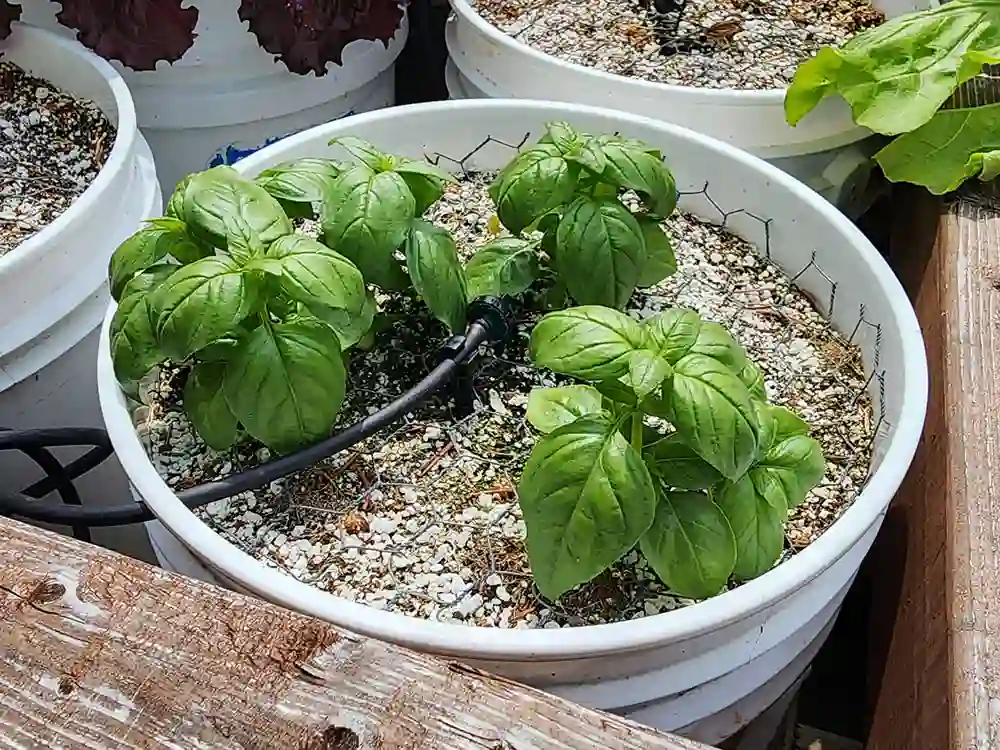
There’s nothing quite like the aroma of fresh basil, is there? Imagine snipping a few leaves right from your own patio to add to your pasta sauce, pesto, or even a refreshing summer cocktail. Growing basil is easier than you might think, and one of the most convenient ways to cultivate this fragrant herb is in a container. Let's explore the world of container basil gardening and learn how you can enjoy fresh basil all season long!
Growing Basil In A Container: A Complete Guide
Why Grow Basil In Containers?
Growing basil in pots offers a wealth of advantages. For starters, it's incrediblyspace-saving, making it perfect for those with limited gardening space, such as apartment dwellers or those with small balconies. You don’t need a sprawling garden to enjoy the taste of homegrown basil! Container gardening allows for easy control of soil conditions, watering, and sun exposure. You can tailor the environment to perfectly suit your basil plants' needs. Plus, you can easily move your basil plants indoors when the weather turns cold, extending your harvest season.
Another benefit is that container gardening helps prevent the spread of soilborne diseases and pests. By keeping your basil isolated in a pot, you reduce the risk of common garden ailments affecting your plants. Speaking of pests, it's far easier to monitor your basil plants for unwanted visitors when they're in containers, and to take swift action if needed.
Choosing the Right Container for Your Basil
The first step to successful container basil gardening is selecting the right container. Here's what to keep in mind:
Size Matters
Basil plants need room to grow, so opt for a container that's at least12 inches in diameter and 12 inches deep. This provides ample space for the roots to develop. A smaller container will restrict growth and lead to a less productive plant. If you’re planning to grow multiple basil plants in one container, choose a larger pot accordingly.
Material Considerations
Containers come in various materials, each with its pros and cons:
- Terracotta: These pots are porous, allowing for good aeration and drainage. However, they can dry out quickly, requiring more frequent watering.
- Plastic: Plastic containers are lightweight, inexpensive, and retain moisture well. However, they can overheat in direct sunlight.
- Ceramic: Ceramic pots are attractive and durable, but can be heavy and expensive.
- Fabric Pots: These are a newer option that offers excellent drainage and aeration. They are also lightweight and easy to store when not in use.
Drainage is Key
Regardless of the material you choose, make sure your container has adequate drainage holes. Basil plants don't like to sit in soggy soil, which can lead to root rot. If your container doesn't have drainage holes, you can drill them yourself. It’s also a good idea to place a layer of gravel or pebbles at the bottom of the container to improve drainage.
Selecting the Right Soil for Container Basil
Basil thrives in well-draining, nutrient-rich soil. Here's how to choose the best soil for your container basil plants:
Potting Mix vs. Garden Soil
Never use garden soil in containers! Garden soil is too heavy and compacts easily, which restricts root growth and drainage. Instead, opt for a high-qualitypotting mix. Potting mix is specifically formulated for container gardening, providing the right balance of aeration, drainage, and nutrients.
DIY Potting Mix
If you prefer to make your own potting mix, here's a simple recipe:
- 1 part peat moss or coconut coir (for moisture retention)
- 1 part perlite or vermiculite (for aeration and drainage)
- 1 part compost (for nutrients)
Mix these ingredients thoroughly before planting your basil. You can also add a slow-release fertilizer to the mix to provide a steady supply of nutrients.
Soil p H
Basil prefers a slightly acidic to neutral soil p H of6.0 to
7.5. You can test your soil p H using a soil testing kit, which can be found at most garden centers. If your soil is too alkaline, you can amend it with sulfur or peat moss. If it's too acidic, you can add lime.
Planting Your Basil in a Container
Once you've chosen your container and soil, it's time to plant your basil!
Starting from Seed
You can start basil from seed indoors or directly in your container. If starting indoors, sow the seeds 6-8 weeks before the last expected frost. Sow the seeds about ¼ inch deep in a seed-starting mix. Keep the soil moist and warm (around 70-75°F). Once the seedlings have developed a few sets of true leaves, you can transplant them into your container.
Transplanting Seedlings
When transplanting seedlings, handle them carefully to avoid damaging the roots. Dig a hole in the potting mix that's large enough to accommodate the root ball. Gently remove the seedling from its container and place it in the hole. Backfill with potting mix and water thoroughly. Space the seedlings about 6-8 inches apart.
Direct Sowing
If you prefer to sow basil seeds directly in your container, wait until the soil has warmed up to at least 60°F. Sow the seeds about ¼ inch deep and water gently. Keep the soil moist until the seeds germinate, which usually takes 5-10 days.
Caring for Your Container Basil Plants
Once your basil plants are established, proper care is essential for a bountiful harvest. Here are some tips for keeping your basil happy and healthy:
Sunlight
Basil loves sunlight! Aim for at least*6-8 hours of direct sunlight per day. If you don't have a sunny spot, you can supplement with grow lights.
Watering
Water your basil plants regularly, especially during hot, dry weather. Keep the soil consistently moist, but not soggy. Overwatering can lead to root rot. Check the soil moisture by sticking your finger about an inch into the soil. If it feels dry, it's time to water. A reliable watering implement is crucial for proper care, and you might want to check out a versatilegarden hose 75 FT with 10-Function Nozzle, Leak-proof Metal Connector Water Hose, No Knots, Kink-Free, Lighter, Anti-Pets, Wear-Resistant, 3/4 GHT, Metal Hose for Garden, Yard, Outdoor, it is a great option for your container garden, you can find it on Amazon through this link:https://amzn.to/3Yv E0Bo. This 75 foot expandable watering pipe with a 10 function nozzle ensures gentle and efficient watering.
Fertilizing
Basil plants are heavy feeders and benefit from regular fertilization. Use a balanced, water-soluble fertilizer every 2-3 weeks. You can also amend the soil with compost or aged manure.
Pruning and Harvesting
Pruning is essential for keeping your basil plants bushy and productive. Pinch off the top sets of leaves regularly to encourage branching. When harvesting basil, cut the stems just above a leaf node. This will encourage new growth. Don't let your basil plants flower, as this will reduce the flavor of the leaves. Pinch off any flower buds as soon as you see them.
Common Problems and Solutions for Growing Basil in Containers
Even with the best care, your container basil plants may encounter some problems. Here are some common issues and how to address them:
Pests
Basil plants can be susceptible to aphids, spider mites, and Japanese beetles. Inspect your plants regularly for signs of infestation. You can control pests with insecticidal soap, neem oil, or by handpicking them off the plants.
Diseases
Basil plants can be affected by fungal diseases such as downy mildew and fusarium wilt. These diseases can cause yellowing leaves, stunted growth, and plant death. To prevent fungal diseases, provide good air circulation, avoid overwatering, and use a fungicide if necessary.
Yellowing Leaves
Yellowing leaves can be a sign of several problems, including overwatering, underwatering, nutrient deficiencies, or disease. Check the soil moisture, adjust your watering schedule, and fertilize your plants if needed. If the problem persists, inspect your plants for pests or diseases.
Extending Your Basil Harvest
One of the best things about growing basil in containers is the ability to extend your harvest season. Here's how:
Bring Plants Indoors
Before the first frost, bring your container basil plants indoors. Place them in a sunny window or under grow lights. Keep the soil moist, but not soggy. Indoor basil plants may not grow as vigorously as outdoor plants, but they will still provide you with fresh basil throughout the winter.
Succession Planting
To ensure a continuous supply of basil, sow new seeds every few weeks. This is called succession planting. You can start new seeds indoors or directly in your container.
Popular Basil Varieties for Container Growing
There are many different types of basil to choose from, each with its own unique flavor and characteristics. Here are a few popular varieties for container growing:
- Sweet Basil: This is the most common type of basil and is known for its classic flavor.
- Genovese Basil: A popular variety for making pesto.
- Thai Basil: Has a licorice-like flavor and is commonly used in Asian cuisine.
- Lemon Basil: Has a citrusy flavor and is great for salads and drinks.
- Purple Basil: Adds a beautiful color to your garden and has a slightly different flavor than green basil.
Conclusion: Enjoying Your Homegrown Container Basil
Growing basil in containers is a rewarding experience. With a little bit of care and attention, you can enjoy fresh, flavorful basil all season long. So, grab a pot, some potting mix, and your favorite basil seeds or seedlings, and get started today! You'll be amazed at how easy and satisfying it is to grow your own basil.