Picture this: you’re making a delicious pesto, but you're out of fresh basil! A quick trip to the grocery store solves the problem, but what if you could extend the life of that store-bought basil and create an endless supply? The good news is, with a little know-how, you absolutely can! Growing Basil From Store-Bought: A Complete Guide So, can you really grow basil from store bought bunches? Absolutely! It's a fantastic way to save money, reduce waste, and enjoy fresh basil whenever you need it. However, the success of growing basil from store bought depends on a few key factors. This article will walk you through the entire process, from selecting the right basil to harvesting your homegrown leaves. We'll cover everything you need to know to successfully propagate basil from your grocery store haul. Selecting the Right Store-Bought Basil for Propagation Not all store-bought basil is created equal when it comes to propagation. To increase your ...
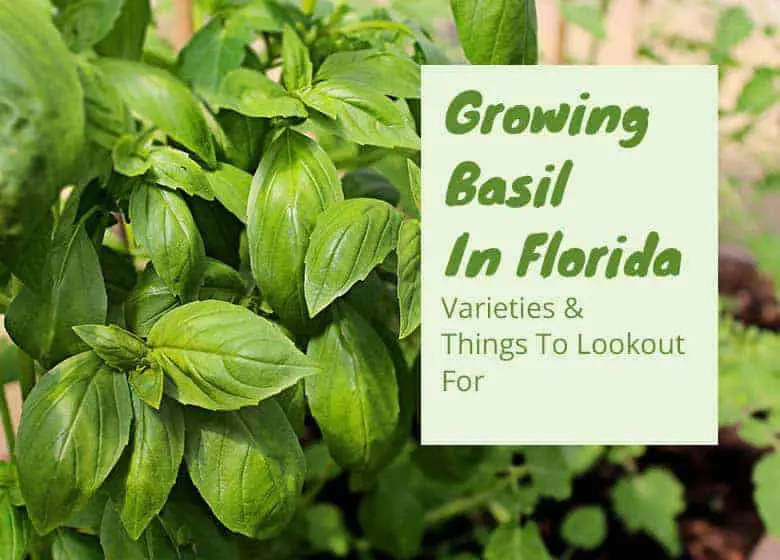
Dreaming of fragrant pesto and Caprese salads bursting with flavor, all made with basil fresh from your own garden? Growing basil in North Florida can be incredibly rewarding, but our unique climate presents a few challenges. Don’t worry, though! With a little know-how and planning, you can enjoy a bountiful harvest of this beloved herb, even in the Sunshine State's northern reaches.
Understanding North Florida's Climate for Growing Basil
North Florida's climate is characterized by hot, humid summers and mild, sometimes unpredictable winters. This subtropical environment presents both opportunities and obstacles for the home gardener eager to start growing basil. Unlike more temperate regions, North Florida requires careful consideration of planting times, soil conditions, and pest control to ensure a successful basil crop. We'll delve into each of these factors in detail.
Ideal Basil Growing Season in North Florida
The key to success when growing basil here is timing. Basil is a warm-weather herb that thrives in temperatures between 70°F and 90°F. Therefore, you need to avoid planting too early or too late in the season. The best time to plant basil in North Florida is after the last frost, typically aroundmid-March to early April. This allows the soil to warm up sufficiently and minimizes the risk of cold damage. You can continue planting basil throughout the summer for a continuous harvest, staggering your planting by a few weeks to ensure a steady supply. A second planting in late summer, around August or early September, can provide a fall harvest before the cooler temperatures arrive. Keep a close eye on the weather forecast and be prepared to protect your plants from unexpected cold snaps. Frost blankets or moving potted basil indoors are effective strategies.
Soil Considerations for Basil Plants in North Florida
Basil thrives in well-drained, fertile soil with a slightly acidic to neutral p H (around 6.0 to
7.5). North Florida's sandy soil often lacks the necessary nutrients and moisture-retention capabilities for optimal basil growth. Improve your soil by incorporating plenty of organic matter, such as compost, well-rotted manure, or peat moss. These amendments will improve drainage, add essential nutrients, and help retain moisture in the sandy soil. Raised beds are also an excellent option, as they provide improved drainage and allow you to create a customized soil mix. Before planting, conduct a soil test to determine the p H level and nutrient content. Amend the soil as needed based on the test results. Aim for a soil that is loose, crumbly, and rich in organic matter. You can purchase soil testing kits at most garden centers or send a sample to your local extension office for analysis.
Here’s a quick guide to common soil issues and solutions:
- Sandy Soil: Add compost, peat moss, or well-rotted manure to improve water retention and nutrient content.
- Clay Soil: Incorporate coarse sand, compost, or other organic matter to improve drainage and aeration.
- Acidic Soil: Add lime to raise the p H level to the desired range.
- Alkaline Soil: Add sulfur or acidifying fertilizers to lower the p H level.
Choosing the Right Basil Variety for North Florida Gardens
Not all basil varieties are created equal, and some are better suited for North Florida's climate than others. Consider these popular and reliable choices:
- Genovese Basil: The classic Italian basil with large, flavorful leaves, perfect for pesto and other culinary uses. It is a reliable choice for North Florida gardens.
- Sweet Basil: Similar to Genovese, but with slightly smaller leaves and a milder flavor. It's a versatile option for various dishes.
- Thai Basil: Offers a distinct anise-like flavor and aroma, ideal for Southeast Asian cuisine. It's also more heat-tolerant than some other varieties.
- Lemon Basil: A refreshing citrusy flavor that complements salads, fish, and poultry. It's relatively easy to grow and adds a unique twist to your dishes.
- Purple Basil: Adds a vibrant color and slightly spicy flavor to your dishes. It's also a visually appealing addition to your garden.
Experiment with different varieties to find your favorites and discover which ones thrive best in your specific garden conditions. Consider factors such as flavor, growth habit, and pest resistance when making your selection. Some varieties may be more susceptible to certain pests or diseases, so choose those that are known to be relatively resistant.
Planting and Caring for Your Basil
Whether you start your basil from seeds or transplants, proper planting and care are essential for a healthy and productive plant. Follow these guidelines to ensure success:
Starting Basil from Seed vs. Transplants
You can start basil from seed indoors 6-8 weeks before the last expected frost or purchase transplants from a local nursery. Starting from seed allows you to choose from a wider variety of basil types, but it requires more time and attention. Transplants, on the other hand, offer a quicker start and are ideal for gardeners who want a head start on the growing season.
- From Seed: Sow seeds ¼ inch deep in seed-starting mix. Keep the soil moist and warm (around 70-75°F) until germination, which usually takes 5-10 days. Once the seedlings have developed their first true leaves, transplant them into individual pots.
- Transplants: Choose healthy-looking plants with vibrant green leaves and a strong root system. Avoid plants that are leggy, yellowed, or show signs of pests or diseases.
Planting Basil in the Garden
When transplanting basil into the garden, space the plants 12-18 inches apart to allow for adequate air circulation and growth. Dig a hole slightly larger than the root ball and gently loosen the roots before planting. Water thoroughly after planting to help the plants establish themselves.
Watering and Fertilizing Basil Plants
Basil requires consistent moisture, especially during hot and dry periods. Water deeply and regularly, ensuring that the soil remains consistently moist but not waterlogged. Avoid overhead watering, which can promote fungal diseases. Fertilize your basil plants every 2-3 weeks with a balanced, water-soluble fertilizer to encourage healthy growth and abundant leaf production. Follow the package instructions carefully to avoid over-fertilizing, which can lead to leggy growth and reduced flavor.
Pruning and Harvesting Basil for Maximum Yield
Regular pruning and harvesting are essential for maintaining a bushy and productive basil plant. Pinch off the flower buds as soon as they appear to prevent the plant from going to seed, which can reduce leaf production and flavor. Harvest the leaves by snipping them off just above a leaf node, which will encourage the plant to branch out and produce more leaves. You can harvest basil leaves throughout the growing season, as needed. Regular harvesting will promote vigorous growth and extend the harvest period.
Dealing with Pests and Diseases Affecting Basil in North Florida
North Florida's warm, humid climate can be conducive to various pests and diseases that can affect basil plants. Be vigilant and take proactive measures to prevent and control these problems.
Common Basil Pests and Organic Control Methods
Some common basil pests in North Florida include aphids, spider mites, whiteflies, and Japanese beetles. These pests can damage the leaves, stunt growth, and transmit diseases. To control these pests organically, consider the following methods:
- Handpicking: Remove pests by hand and drop them into a bucket of soapy water.
- Insecticidal Soap: Spray plants with insecticidal soap to kill soft-bodied pests like aphids and whiteflies.
- Neem Oil: Apply neem oil to control a wide range of pests, including spider mites, aphids, and Japanese beetles.
- Beneficial Insects: Introduce beneficial insects like ladybugs and lacewings to your garden to prey on pests.
Preventing and Treating Basil Diseases in North Florida
Basil is susceptible to several fungal diseases, including downy mildew, fusarium wilt, and leaf spot. These diseases can cause yellowing, browning, and spotting of the leaves, and can eventually kill the plant. To prevent and treat these diseases, consider the following measures:
- Good Air Circulation: Ensure good air circulation around your plants by spacing them properly and pruning regularly.
- Watering Practices: Avoid overhead watering and water in the morning to allow the leaves to dry before evening.
- Fungicides: Apply organic fungicides like copper sulfate or sulfur to prevent and control fungal diseases.
- Disease-Resistant Varieties: Choose disease-resistant basil varieties to minimize the risk of disease outbreaks.
Regularly inspect your plants for signs of pests or diseases and take prompt action to address any problems. Early detection and treatment can prevent minor issues from escalating into serious problems.
Extending the Basil Growing Season in North Florida
While basil is primarily a warm-weather herb, you can extend the growing season in North Florida with a few simple techniques:
Using Row Covers or Cold Frames
Protect your basil plants from frost and cold temperatures by covering them with row covers or cold frames. These structures will trap heat and create a warmer microclimate around the plants, allowing them to continue growing even during cooler periods.
Growing Basil in Containers
Growing basil in containers allows you to move the plants indoors during cold weather or relocate them to a sunnier spot as needed. Choose containers that are at least 12 inches in diameter and provide good drainage. Use a high-quality potting mix and fertilize regularly.
Overwintering Basil Plants
In mild winters, you may be able to overwinter your basil plants by bringing them indoors and placing them in a sunny location. Prune the plants back to encourage new growth and provide adequate water and fertilizer. Be aware that overwintered basil plants may not be as productive as those grown during the regular growing season.
Consider adding a convenient method of watering to your gardening arsenal. A good quality garden hose such as this 75 FT Garden Water Hose with a 10-pattern nozzle will make watering your basil, and the rest of your garden, easy. The leak-proof metal connectors and kink-free design will ensure your watering experience is a pleasurable one! You can find it here: https://amzn.to/3Yv E0Bo. This kind of reliable, 75-foot outdoor water hose can be a vital component of any North Florida garden.
Harvesting and Storing Your Abundant Basil Crop
Once your basil plants are producing an abundance of leaves, it's time to harvest and enjoy the fruits of your labor. The best time to harvest basil is in the morning after the dew has dried, but before the heat of the day sets in. This is when the leaves have the highest concentration of essential oils and the most intense flavor.
Harvesting Techniques for Basil
Harvest basil leaves by snipping them off just above a leaf node, using sharp scissors or pruning shears. Avoid tearing the leaves, which can damage the plant and reduce its ability to produce new growth. You can harvest up to one-third of the plant's leaves at a time without harming the plant. Regular harvesting will encourage the plant to branch out and produce more leaves, resulting in a bushier and more productive plant.
Preserving Basil for Later Use
Basil leaves can be preserved in several ways for later use. Some popular methods include:
- Freezing: Wash and dry the basil leaves and then blanch them in boiling water for a few seconds. Drain the leaves and pack them into freezer bags or containers. Frozen basil can be used in sauces, soups, and stews.
- Drying: Spread the basil leaves on a screen or dehydrator tray and dry them in a cool, dark place. Dried basil can be stored in an airtight container and used to season dishes.
- Making Pesto: Blend fresh basil leaves with garlic, pine nuts, Parmesan cheese, and olive oil to make pesto. Pesto can be frozen for later use or stored in the refrigerator for a few days.
- Infusing Oil or Vinegar: Infuse olive oil or vinegar with fresh basil leaves to create a flavorful condiment.
With proper harvesting and preservation techniques, you can enjoy the flavor of fresh basil year-round, even when it's not in season.
Growing basil in North Florida can be incredibly rewarding, providing you with a fresh and flavorful herb for all your culinary creations. By understanding the local climate, choosing the right varieties, and implementing proper planting and care techniques, you can enjoy a bountiful harvest of basil throughout the growing season. So, get out there, get your hands dirty, and start growing your own delicious basil today!