Picture this: you’re making a delicious pesto, but you're out of fresh basil! A quick trip to the grocery store solves the problem, but what if you could extend the life of that store-bought basil and create an endless supply? The good news is, with a little know-how, you absolutely can! Growing Basil From Store-Bought: A Complete Guide So, can you really grow basil from store bought bunches? Absolutely! It's a fantastic way to save money, reduce waste, and enjoy fresh basil whenever you need it. However, the success of growing basil from store bought depends on a few key factors. This article will walk you through the entire process, from selecting the right basil to harvesting your homegrown leaves. We'll cover everything you need to know to successfully propagate basil from your grocery store haul. Selecting the Right Store-Bought Basil for Propagation Not all store-bought basil is created equal when it comes to propagation. To increase your ...
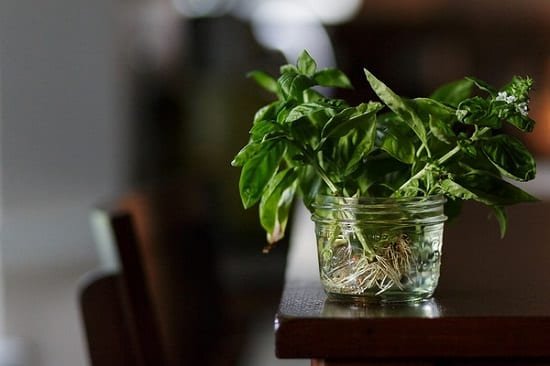
Imagine fresh, vibrant basil readily available right in your kitchen, without the need for soil or a sprawling garden. Sounds too good to be true? Not at all! Growing basil in water is surprisingly easy, rewarding, and a fantastic way to enjoy this fragrant herb year-round. Let's dive into the simple steps and secrets to successful water propagation of basil.
Growing Basil in Water: A Comprehensive Guide
Why Grow Basil in Water? The Benefits Unveiled
There are several compelling reasons to consider growing basil in water, offering convenience and sustainability in equal measure. Let's explore the key advantages:
- Space Saving: Perfect for apartment dwellers or anyone with limited outdoor space. You can grow basil on a windowsill, kitchen counter, or any well-lit area.
- Cost-Effective: No need to purchase potting soil or invest in large containers. Water and a simple jar are all you need to get started.
- Year-Round Harvest: Extend your basil harvest beyond the typical growing season. Enjoy fresh basil even during the colder months.
- Easy Propagation: Water propagation is a simple and reliable method for creating new basil plants from cuttings.
- Visual Appeal: The clear glass jars showcasing the roots of your basil plants can be quite aesthetically pleasing, adding a touch of greenery to your indoor space.
- Monitoring Growth: It's easy to monitor root development and overall plant health when growing basil in water, allowing you to address any issues promptly.
Beyond these practical benefits, growing basil in water connects you to the natural world, offering a sense of satisfaction and accomplishment as you nurture your plants from humble cuttings to thriving herbs.
Essential Steps for Growing Basil Cuttings in Water
Now that you're convinced about the merits of growing basil in water, let's walk through the step-by-step process to ensure success:
1. Selecting Healthy Basil Cuttings
The foundation of successful water propagation lies in choosing healthy, vigorous basil cuttings. Look for stems that are approximately 4-6 inches long, with several leaves intact. Avoid stems that are wilted, discolored, or show signs of disease or pest infestation. Ideally, choose cuttings from a plant that has not yet flowered, as flowering can divert energy away from root development. Using sharp and clean pruning shears or scissors, make a clean cut just below a node (the point where leaves emerge from the stem). Remove the leaves from the lower 2 inches of the stem to prevent them from rotting when submerged in water. This also encourages root growth from the exposed nodes.
2. Preparing the Water and Container
The choice of water and container plays a crucial role in the success of your water propagation efforts. Use clean, chlorine-free water, such as filtered or distilled water. Tap water can sometimes contain chemicals that inhibit root growth. Opt for a clear glass jar or container to allow you to easily monitor root development. A narrow-mouthed container is preferable, as it will help support the basil stems and prevent them from toppling over. Fill the container with water, leaving enough space for the stems to be submerged without the leaves touching the water.
3. Placing the Cuttings in Water
Gently place the prepared basil cuttings into the water-filled container, ensuring that the exposed nodes are submerged. Arrange the cuttings so that they have enough space and aren't overcrowded. Change the water every 1-2 days to keep it fresh and oxygenated. This is crucial for preventing the growth of bacteria and algae, which can hinder root development. While changing the water, gently rinse the container to remove any debris or slime that may have accumulated.
4. Providing Adequate Light and Warmth
Basil thrives in bright, indirect sunlight. Place your water-propagated basil cuttings near a sunny window that receives at least 6 hours of light per day. Avoid direct sunlight, especially during the hottest part of the day, as it can scorch the leaves. Maintain a consistent temperature between 65-80°F (18-27°C) to promote optimal root growth. Avoid placing the cuttings near drafts or cold windows, as this can slow down the process. A warm, well-lit environment is key to successful water propagation.
5. Monitoring Root Development and Transplanting
Within a week or two, you should begin to see small roots emerging from the submerged nodes. Be patient, as root development can vary depending on the variety of basil and the environmental conditions. Once the roots are approximately 2-3 inches long, your basil cuttings are ready to be transplanted into soil. Choose a well-draining potting mix and a container that is appropriately sized for the plant. Gently remove the rooted cuttings from the water and plant them in the soil, taking care not to damage the delicate roots. Water thoroughly after transplanting and continue to provide adequate light, warmth, and moisture.
I recently found a great deal on a75 FT Garden Hose with a10-Function Nozzle! It has really helped me keep my garden looking its best. If you are looking to upgrade your current gardening tools, I highly recommend checking it out! You can find a high-quality metal connector water hose with kink-free design here:https://amzn.to/3Yv E0Bo
Troubleshooting Common Issues When Growing Basil in Water
While growing basil in water is generally straightforward, you may encounter a few challenges along the way. Here are some common issues and how to address them:
- Yellowing Leaves: This can be caused by several factors, including insufficient light, nutrient deficiencies, or poor water quality. Ensure that your basil cuttings are receiving adequate light and change the water regularly. You can also add a diluted liquid fertilizer to the water every few weeks to provide essential nutrients.
- Rotting Stems: This is usually a sign of bacterial or fungal growth. Ensure that you are using clean water and changing it regularly. Avoid overcrowding the cuttings in the container and remove any leaves that are submerged in the water.
- Slow Root Development: This can be caused by insufficient light, low temperatures, or poor water quality. Ensure that your basil cuttings are receiving adequate light and maintain a consistent temperature. Try using filtered or distilled water, and consider adding a rooting hormone to the water to stimulate root growth.
- Algae Growth: Algae can thrive in water that is exposed to sunlight. To prevent algae growth, use an opaque container or wrap the clear glass jar with paper. Change the water regularly to remove any algae that may have formed.
By proactively addressing these issues, you can ensure the health and vitality of your water-propagated basil plants.
From Water to Soil: Transitioning Your Basil Plants
Once your basil cuttings have developed a robust root system in water, it's time to transition them to soil. This process requires careful attention to minimize stress and ensure a smooth transition. Here's how to do it:
Choosing the Right Potting Mix
Select a well-draining potting mix that is specifically formulated for herbs or vegetables. Avoid using garden soil, as it can be too heavy and compact, hindering root growth. A good potting mix should retain moisture while also allowing for adequate drainage to prevent root rot. Consider adding perlite or vermiculite to the potting mix to improve drainage and aeration.
Transplanting Technique
Gently remove the rooted basil cuttings from the water, taking care not to damage the delicate roots. Dig a hole in the potting mix that is large enough to accommodate the root ball. Place the basil plant in the hole and gently backfill with potting mix, ensuring that the roots are covered. Avoid packing the soil too tightly, as this can restrict root growth. Water thoroughly after transplanting to help settle the soil and provide the plant with essential moisture.
Acclimation Period
After transplanting, your basil plants will need an acclimation period to adjust to their new environment. Place the transplanted basil plants in a location that receives bright, indirect sunlight. Water regularly, keeping the soil consistently moist but not waterlogged. Avoid fertilizing the plants for the first few weeks to allow them to adjust to the soil. Gradually increase the amount of direct sunlight over time, monitoring the plants for any signs of stress. With proper care and attention, your water-propagated basil plants will thrive in their new soil home.
Beyond Propagation: Maintaining Basil Grown in Water Long-Term
While many use water propagation as a stepping stone to soil, some gardeners choose to maintain their basil plants in water long-term. This is certainly possible, but it requires a different approach to nutrient management and water quality.
Nutrient Solutions for Long-Term Water Culture
Basil plants grown in water for extended periods will require a nutrient solution to provide the essential minerals they need to thrive. You can purchase commercially available hydroponic nutrient solutions specifically formulated for herbs or vegetables. Follow the instructions on the product label for proper dilution and application. Alternatively, you can create your own nutrient solution using readily available ingredients, such as Epsom salts, bone meal, and kelp meal. However, this requires careful research and experimentation to ensure that the plants are receiving the correct balance of nutrients.
Water Quality Management
Maintaining water quality is crucial for long-term water culture. Change the water and nutrient solution regularly, typically every 1-2 weeks, to prevent the build-up of algae and bacteria. Monitor the p H of the water and adjust as needed to maintain a range of 6.0-6.5, which is optimal for basil growth. You can use a p H testing kit or meter to monitor the p H level. Additionally, consider using an air pump and air stone to aerate the water, providing the roots with essential oxygen.
Pruning and Harvesting
Regular pruning and harvesting are essential for maintaining the shape and productivity of your basil plants grown in water. Pinch off the top growth regularly to encourage bushier growth and prevent flowering. Harvest the leaves as needed, cutting them just above a node. This will encourage new growth and ensure a continuous supply of fresh basil. By following these tips, you can successfully grow basil in water long-term, enjoying its fragrant leaves year-round.
Conclusion: Embrace the Simplicity of Growing Basil in Water
Growing basil in water is a simple, rewarding, and sustainable way to enjoy fresh herbs year-round. Whether you're a seasoned gardener or a beginner, water propagation offers a hassle-free approach to growing your own basil. By following the steps outlined in this guide, you can easily propagate new basil plants from cuttings, extend your harvest beyond the typical growing season, and add a touch of greenery to your indoor space. So, grab some basil cuttings, a jar of water, and get ready to embark on this exciting journey. Happy growing!