Picture this: you’re making a delicious pesto, but you're out of fresh basil! A quick trip to the grocery store solves the problem, but what if you could extend the life of that store-bought basil and create an endless supply? The good news is, with a little know-how, you absolutely can! Growing Basil From Store-Bought: A Complete Guide So, can you really grow basil from store bought bunches? Absolutely! It's a fantastic way to save money, reduce waste, and enjoy fresh basil whenever you need it. However, the success of growing basil from store bought depends on a few key factors. This article will walk you through the entire process, from selecting the right basil to harvesting your homegrown leaves. We'll cover everything you need to know to successfully propagate basil from your grocery store haul. Selecting the Right Store-Bought Basil for Propagation Not all store-bought basil is created equal when it comes to propagation. To increase your ...
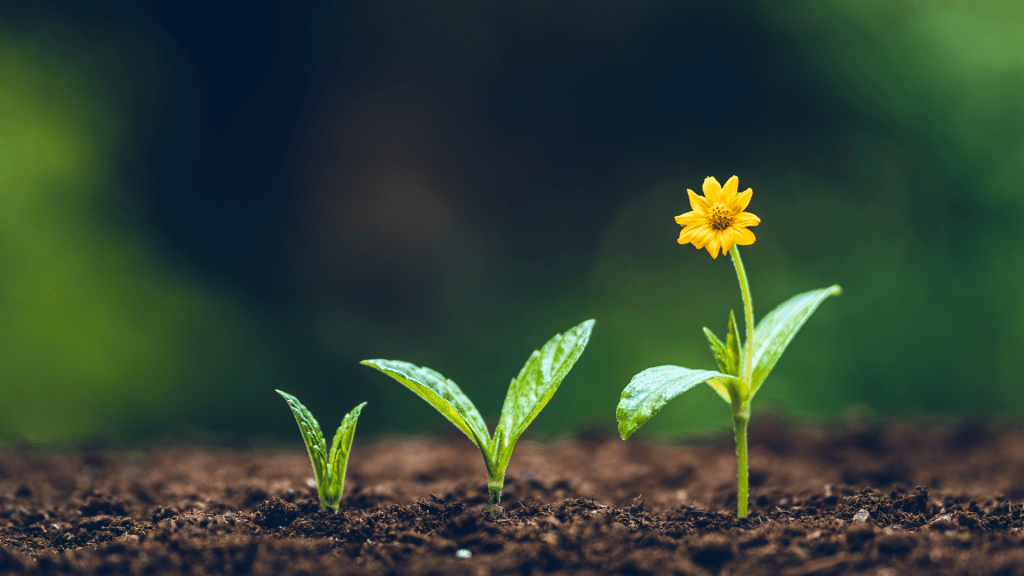
There's something incredibly satisfying about snipping fresh herbs from your own little garden, right? And what better herb to start with than sweet basil? Its fragrant leaves are a staple in so many cuisines, and trust me, you don't need a sprawling garden to enjoy it. Growing sweet basil in a pot is easier than you might think, and I'm here to guide you through every step, from choosing the right pot to harvesting those delicious leaves.
Why Grow Sweet Basil in a Container?
Okay, let's be real. Not everyone has the space or the inclination for a full-blown garden. That's where the beauty of container gardening comes in! Growing sweet basil in containers offers a ton of advantages. For starters, it's incredibly*space-saving. You can have fresh basil on your balcony, patio, or even a sunny windowsill. This is especially great for apartment dwellers or those with limited outdoor space.
Another huge benefit isportability. Want to move your basil to a sunnier spot? No problem! Sudden frost threat? Just bring it indoors. Container gardening gives you complete control over your basil's environment. Plus, you can easily control the soil quality and avoid common garden pests and diseases that might plague in-ground basil plants. Think of it as giving your basil a VIP experience!
Growing basil in a pot also allows for*better soil control. You can use a high-quality potting mix specifically formulated for herbs, which provides optimal drainage and nutrients. This is crucial because basil doesn't like soggy roots. And, let's be honest, it's just plain convenient. No weeding endless rows or tilling the soil. Just plant, water, and enjoy!
Choosing the Right Pot for Your Basil
Now, let's talk pots. Size and material matter more than you might think! You want to provide your basil with enough room to grow and thrive. A pot that's too small will restrict root growth and lead to a stunted plant. So, aim for a pot that's at least6-8 inches in diameter and depth. A 12-inch pot is even better, especially if you plan on growing multiple basil plants together.
As for material, you have several options:
- Terracotta: These pots are porous, which means they allow for good air circulation and drainage. However, they also tend to dry out faster, so you'll need to water more frequently.
- Plastic: Plastic pots are lightweight, inexpensive, and retain moisture well. They're a good option if you're prone to forgetting to water, but be sure the pot has drainage holes!
- Ceramic: Ceramic pots are beautiful and come in a variety of styles. They tend to retain moisture like plastic, so be mindful of overwatering.
- Fabric Pots: These are becoming increasingly popular because they promote excellent aeration and drainage. They're also lightweight and easy to move.
No matter what material you choose, make sure your pot hasdrainage holes. This is non-negotiable! Basil hates sitting in soggy soil, and drainage holes will prevent root rot. You can also add a layer of gravel or rocks at the bottom of the pot to further improve drainage.
Remember to also think about theweight of the pot, especially if you plan to move it around frequently. A large terracotta pot filled with soil can be quite heavy!
Essential Considerations:Drainage is Key
Let's drill down on drainage. It's that important. Imagine your basil roots sitting in a puddle of water. Not a pretty picture, right? This leads to root rot, which can quickly kill your plant. So, ensure that your chosen pot has adequate drainage holes, and consider adding a layer of gravel or broken pottery shards at the bottom to help water drain away freely. The last thing you want is stagnant water suffocating the roots of your basil plant. Also when watering, make sure that the water flows freely from the holes at the bottom.
The Perfect Potting Mix for Sweet Basil
The soil you use is just as crucial as the pot itself. Don't even think about using garden soil directly in your containers! Garden soil tends to compact and doesn't drain well, which is a recipe for disaster for your basil.
Instead, opt for ahigh-quality potting mix specifically formulated for containers. These mixes are typically a blend of peat moss, perlite, and vermiculite. Peat moss helps retain moisture, while perlite and vermiculite improve drainage and aeration. You can also add some compost to the mix to provide extra nutrients.
Look for a potting mix that islightweight and well-draining. You can also amend the mix with a bit of sand or grit to further improve drainage, especially if you live in a humid climate. Avoid mixes that contain a lot of clay, as they tend to become waterlogged.
Here's a simple recipe for a DIY potting mix:
- 1 part peat moss
- 1 part perlite
- 1 part vermiculite
- A handful of compost
Mix all the ingredients thoroughly before planting your basil.
Soil p H: Getting it Just Right
Basil thrives in slightly acidic to neutral soil, with ap H between 6.0 and
7.5. You can test the p H of your potting mix using a soil p H meter or a home testing kit. If the p H is too high (alkaline), you can amend the soil with sulfur or peat moss. If it's too low (acidic), you can add lime.
Planting Your Sweet Basil in a Pot
Alright, you've got your pot, your soil, and now it's time to plant! You have two options:start from seed or buy a young basil plant from a nursery.
Starting from seed*is a bit more time-consuming, but it's also more rewarding (and budget-friendly!). Sow the seeds indoors 6-8 weeks before the last expected frost. Sprinkle the seeds evenly over the surface of the potting mix, and lightly cover them with soil. Keep the soil moist but not soggy, and provide plenty of light. Once the seedlings are large enough to handle, transplant them into your pot. This could also be a fun indoor project, especially for family bonding. Make sure that you use good quality seeds to ensure good germination.
Buying a basil plantis the easier option, especially if you're short on time or don't have the patience to start from seed. Choose a healthy-looking plant with vibrant green leaves and no signs of pests or diseases. Gently remove the plant from its nursery pot, and loosen the roots slightly before planting it in your pot.
Whether you're starting from seed or buying a plant, dig a hole in the center of your pot that's large enough to accommodate the roots. Place the plant in the hole, and gently backfill with potting mix. Water thoroughly after planting.
Here's a quick planting checklist:
- Choose a healthy plant or start with quality seeds.
- Use a well-draining potting mix.
- Dig a hole large enough for the roots.
- Gently loosen the roots before planting.
- Water thoroughly after planting.
Caring for Your Potted Sweet Basil
Congratulations, you've successfully planted your basil! Now, the real work begins. But don't worry, caring for potted sweet basil is relatively simple.
Sunlight: Basil loves sunshine! Aim for at least6-8 hours of direct sunlight per day. If you don't have a sunny spot, you can supplement with a grow light.
Watering: Water your basil regularly, especially during hot weather. Check the soil moisture by sticking your finger into the soil. If the top inch feels dry, it's time to water. Avoid overwatering, as this can lead to root rot. Water deeply, allowing the water to drain out of the drainage holes.
Fertilizing: Basil is a heavy feeder, so you'll need to fertilize it regularly. Use a balanced liquid fertilizer, diluted to half strength, every 2-3 weeks. Or use a slow-release fertilizer at the time of planting.
Pruning: Pruning is essential for keeping your basil plant bushy and productive. Pinch off the top leaves regularly to encourage branching. When the plant starts to flower, pinch off the flower buds to prevent the plant from going to seed. Once the plant seeds, the leaves usually start to taste bitter. So avoid allowing the plants to flower as long as possible.
Troubleshooting Common Problems
Even with the best care, you might encounter some problems. Here are a few common issues and how to address them:
- Yellowing leaves: This could be a sign of overwatering, underwatering, or nutrient deficiency. Check the soil moisture and adjust your watering accordingly. Fertilize regularly with a balanced fertilizer.
- Pests: Basil is susceptible to aphids, spider mites, and other pests. Inspect your plant regularly for signs of infestation. Treat with insecticidal soap or neem oil.
- Diseases: Basil can be affected by fungal diseases like powdery mildew. Improve air circulation and avoid overhead watering. Treat with a fungicide if necessary.
Harvesting Your Sweet Basil
Ah, the best part! Harvesting your sweet basil is easy. Simply snip off the leaves as needed, starting with the top leaves. This will encourage the plant to grow bushier and produce more leaves. Harvest regularly to prevent the plant from flowering, which can make the leaves taste bitter.
The best time to harvest basil is in the morning, after the dew has dried. Use sharp scissors or pruning shears to avoid bruising the leaves. You can use the fresh basil immediately, or you can store it in the refrigerator for a few days. To store basil for longer, you can dry it or freeze it.
Here are a few tips for harvesting:
- Harvest in the morning.
- Use sharp scissors or pruning shears.
- Harvest regularly to encourage branching.
- Avoid harvesting more than one-third of the plant at a time.
Enjoying Your Homegrown Basil
Now that you've harvested your fresh basil, it's time to put it to good use! Add it to your favorite pasta dishes, salads, and pizzas. Make a delicious pesto. Or simply sprinkle it on top of grilled chicken or fish. The possibilities are endless!
Growing sweet basil in a pot is a rewarding experience that allows you to enjoy fresh, flavorful herbs right at your fingertips. With a little care and attention, you'll be harvesting basil all season long. So, what are you waiting for? Grab a pot, some soil, and get planting!
To ensure your basil stays hydrated and thrives, consider investing in a reliable watering system. TheGarden Hose 75 FT with 10-Function Nozzle offers a variety of spray patterns to suit your basil's needs, and the leak-proof metal connectors will prevent any annoying water waste. This expanding75-foot Garden Hose is a convenient and durable option for watering your potted basil, along with the rest of your garden or outdoor space. Check it out here: https://amzn.to/3Yv E0Bo.