Picture this: you’re making a delicious pesto, but you're out of fresh basil! A quick trip to the grocery store solves the problem, but what if you could extend the life of that store-bought basil and create an endless supply? The good news is, with a little know-how, you absolutely can! Growing Basil From Store-Bought: A Complete Guide So, can you really grow basil from store bought bunches? Absolutely! It's a fantastic way to save money, reduce waste, and enjoy fresh basil whenever you need it. However, the success of growing basil from store bought depends on a few key factors. This article will walk you through the entire process, from selecting the right basil to harvesting your homegrown leaves. We'll cover everything you need to know to successfully propagate basil from your grocery store haul. Selecting the Right Store-Bought Basil for Propagation Not all store-bought basil is created equal when it comes to propagation. To increase your ...
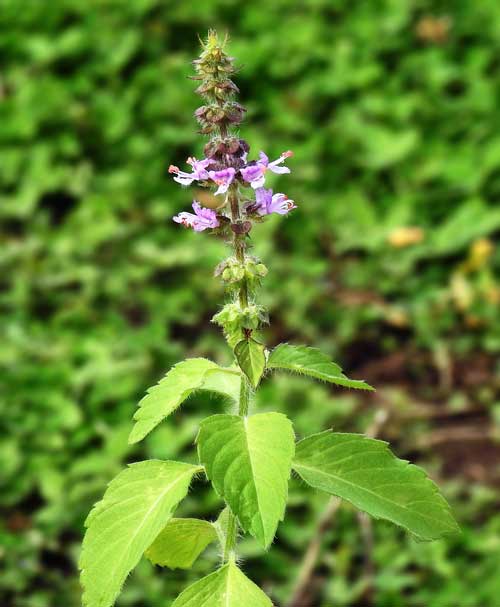
Imagine stepping into your garden and being greeted by the sweet, spicy aroma of Tulsi, also known as Holy Basil. More than just a fragrant herb, Tulsi has been revered for centuries for its medicinal properties and spiritual significance. Growing Tulsi is easier than you might think, and soon you could be enjoying its many benefits right from your own backyard.
Growing Tulsi Holy Basil: A Comprehensive Guide
Tulsi, the "Queen of Herbs," holds a special place in many cultures, particularly in India, where it's considered sacred. Beyond its religious significance, Tulsi is a powerhouse of health benefits, thanks to its rich antioxidant and anti-inflammatory properties. Cultivating your own Tulsi plant is a rewarding experience, providing you with fresh leaves for teas, culinary uses, and aromatherapy. This guide will walk you through everything you need to know about successfullygrowing Tulsi Holy Basil, from seed to harvest.
Understanding Tulsi Varieties:Choosing the Right Holy Basil
While commonly referred to as Tulsi or Holy Basil, there are actually several varieties, each with slightly different characteristics. Understanding these differences is key to selecting the type that best suits your needs and preferences.
Rama Tulsi
Rama Tulsi is perhaps the most common variety. It has green leaves and a milder, sweeter aroma compared to other types. It is often preferred for its gentler flavor in teas and culinary applications. Rama Tulsi is generally considered easier to grow, making it a good choice for beginners. Its flavor profile makes it a versatile addition to both sweet and savory dishes.
Krishna Tulsi
Krishna Tulsi, also known as Shyama Tulsi, features striking purple leaves and a more pungent, peppery aroma. It is considered highly medicinal and is often used in traditional Ayurvedic remedies. Growing Krishna Tulsi might require a bit more attention, as it can be slightly more sensitive to environmental conditions. However, its potent aroma and medicinal properties make it a worthwhile addition to any garden.
Vana Tulsi
Vana Tulsi, or Forest Tulsi, is a more vigorous and resilient variety. It has light green leaves and a strong, citrusy aroma. Vana Tulsi is known for its ability to thrive in diverse conditions and is often grown for its essential oils. This variety is an excellent choice if you're looking for a low-maintenance Tulsi plant that can tolerate less-than-ideal growing conditions. It is also often used in aromatherapy for its uplifting and invigorating scent.
Key Differences Summarized
Here's a quick summary to help you choose:
- Rama Tulsi: Green leaves, sweet aroma, easier to grow.
- Krishna Tulsi: Purple leaves, peppery aroma, more medicinal.
- Vana Tulsi: Light green leaves, citrusy aroma, resilient.
Planting Tulsi: From Seed to Seedling
You can startgrowing Tulsi Holy Basil from seed or cuttings. Starting from seed is a more common and rewarding experience. Here’s a step-by-step guide:
Starting Seeds Indoors
Starting Tulsi seeds indoors is recommended, especially if you live in a region with a shorter growing season. This gives your seedlings a head start before transplanting them outdoors. Here's how:
- Timing: Start seeds 6-8 weeks before the last expected frost.
- Soil: Use a well-draining seed starting mix.
- Planting: Sow seeds shallowly (about ¼ inch deep) in small pots or seed trays.
- Watering: Keep the soil consistently moist, but not waterlogged. Misting the surface is ideal.
- Light: Provide bright, indirect light. A sunny windowsill or grow light works well.
- Temperature: Maintain a temperature of around 70-75°F (21-24°C).
Transplanting Seedlings Outdoors
Once the seedlings have developed several sets of true leaves and the threat of frost has passed, it's time to transplant them outdoors. Select a suitable location in your garden to successfully cultivateHoly Basil Tulsi.
- Location: Choose a sunny spot with well-draining soil. Tulsi thrives in full sun (6-8 hours of sunlight per day).
- Soil Preparation: Amend the soil with compost or other organic matter to improve drainage and fertility.
- Spacing: Space plants 12-18 inches apart to allow for adequate growth.
- Planting: Gently remove the seedlings from their pots and plant them at the same depth they were growing in the pots.
- Watering: Water thoroughly after planting.
Caring for Tulsi: Watering, Fertilizing, and Pruning
Proper care is essential forgrowing Tulsi Holy Basil successfully and maximizing its growth and health benefits. Here are some key aspects of Tulsi care:
Watering
Tulsi prefers consistently moist soil, but avoid overwatering, which can lead to root rot. Water thoroughly when the top inch of soil feels dry. During hot, dry weather, you may need to water more frequently. Consider using a soaker hose or drip irrigation to provide consistent moisture directly to the roots. Mulching around the base of the plant can also help retain moisture.
Fertilizing
Tulsi is not a heavy feeder, but regular fertilization can promote healthy growth. Use a balanced organic fertilizer every 4-6 weeks during the growing season. You can also amend the soil with compost tea or fish emulsion for a natural boost. Avoid over-fertilizing, as this can lead to leggy growth and reduced aroma.
Pruning
Pruning is essential for maintaining a bushy, productive Tulsi plant. Regularly pinch back the tips of the stems to encourage branching and prevent the plant from becoming leggy. Remove any yellowing or dead leaves to promote air circulation and prevent disease. When flowering occurs, you can pinch off the flower spikes to encourage more leaf production, or allow the plant to flower if you want to collect seeds. Regular harvesting of leaves will also encourage continuous growth.
Common Pests and Diseases
While relatively resistant, Tulsi can occasionally be affected by pests and diseases. Keep an eye out for aphids, spider mites, and whiteflies. These pests can be controlled with insecticidal soap or neem oil. Root rot can occur if the soil is poorly drained or the plant is overwatered. Ensure good drainage and avoid overwatering to prevent this problem. Fungal diseases, such as powdery mildew, can sometimes affect Tulsi, especially in humid conditions. Improve air circulation by spacing plants properly and pruning to remove overcrowded foliage.
Harvesting and Using Tulsi Holy Basil
Harvesting Tulsi is a rewarding part of thegrowing Tulsi Holy Basil experience. You can start harvesting leaves as soon as the plant is established and has reached a sufficient size. Here's how:
Harvesting Techniques
- Timing: Harvest leaves in the morning, after the dew has dried but before the sun is too hot. This is when the essential oils are most concentrated.
- Method: Use scissors or your fingers to gently pluck the leaves from the stem. You can harvest individual leaves or cut entire stems.
- Frequency: Harvest regularly to encourage continued growth.
Using Fresh Tulsi
Fresh Tulsi leaves can be used in a variety of ways:
- Tea: Steep fresh leaves in hot water for a soothing and aromatic tea.
- Culinary: Add chopped leaves to salads, soups, stir-fries, and other dishes.
- Aromatherapy: Crush fresh leaves and inhale their aroma for stress relief and mental clarity.
Drying and Storing Tulsi
To preserve Tulsi for later use, you can dry the leaves:
- Air Drying: Hang stems upside down in a cool, dry, well-ventilated place until the leaves are completely dry.
- Oven Drying: Spread leaves on a baking sheet and dry in a low oven (170°F or 77°C) for several hours, until crisp.
- Dehydrator: Use a food dehydrator to dry the leaves according to the manufacturer's instructions.
Store dried Tulsi leaves in an airtight container in a cool, dark place. Dried leaves can be used for tea, herbal remedies, and culinary purposes.
Troubleshooting Common Issues When Growing Tulsi Holy Basil
Even with the best care, you might encounter some challenges whengrowing Tulsi Holy Basil. Here's a guide to troubleshooting common issues:
Yellowing Leaves
Yellowing leaves can indicate several problems:
- Overwatering: Reduce watering and ensure good drainage.
- Nutrient Deficiency: Fertilize with a balanced organic fertilizer.
- Pest Infestation: Check for pests and treat accordingly.
Leggy Growth
Leggy growth (long, spindly stems with few leaves) is often caused by insufficient light:
- Insufficient Light: Move the plant to a sunnier location or provide supplemental lighting.
- Improper Pruning: Pinch back the tips of the stems to encourage branching.
Slow Growth
Slow growth can be caused by:
- Poor Soil: Amend the soil with compost or other organic matter.
- Insufficient Nutrients: Fertilize regularly.
- Temperature: Ensure the plant is growing in a warm environment.
No Flowers
While flowers aren't necessary for leaf production, some gardeners enjoy them. If your Tulsi isn't flowering, it could be due to:
- Over-Harvesting: Reduce harvesting to allow the plant to flower.
- Stress: Ensure the plant is receiving adequate water, nutrients, and sunlight.
Growing Tulsi Holy Basil can be a truly enriching experience. Not only will you be rewarded with a beautiful and fragrant plant, but you'll also have access to its numerous health benefits. With the right knowledge and care, you can successfully cultivate this sacred herb in your own garden.
Speaking of essential gardening tools, a reliable watering system is crucial for keeping your Tulsi happy and hydrated. A good option is the Garden Hose 75 FT with 10-Function Nozzle, Leak-proof Metal Connector Water Hose, No Knots, Kink-Free, Lighter, Anti-Pets, Wear-Resistant, 3/4 GHT, Metal Hose for Garden, Yard, Outdoor. Thisrobust and versatile watering hose is perfect for ensuring your Holy Basil and other garden plants receive the moisture they need. Find it here: https://amzn.to/3Yv E0Ba.