Picture this: you’re making a delicious pesto, but you're out of fresh basil! A quick trip to the grocery store solves the problem, but what if you could extend the life of that store-bought basil and create an endless supply? The good news is, with a little know-how, you absolutely can! Growing Basil From Store-Bought: A Complete Guide So, can you really grow basil from store bought bunches? Absolutely! It's a fantastic way to save money, reduce waste, and enjoy fresh basil whenever you need it. However, the success of growing basil from store bought depends on a few key factors. This article will walk you through the entire process, from selecting the right basil to harvesting your homegrown leaves. We'll cover everything you need to know to successfully propagate basil from your grocery store haul. Selecting the Right Store-Bought Basil for Propagation Not all store-bought basil is created equal when it comes to propagation. To increase your ...
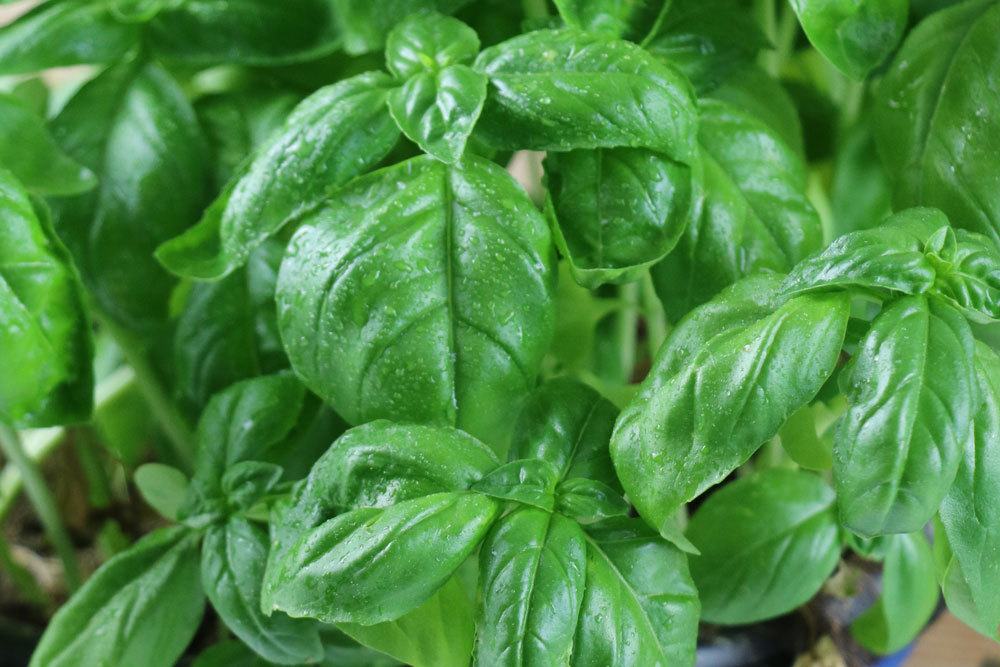
Basil, that fragrant, leafy herb we all love to add to our pasta sauces, salads, and pesto, is surprisingly easy to grow at home. But the real magic happens when you learn how to harvest it properly. Cut it the right way, and you’ll be rewarded with a bushier plant, more leaves, and a continuous supply of delicious basil throughout the growing season. Let’s dive into the secrets of keeping your basil plant happy and productive through proper pruning and harvesting techniques.
Why Proper Basil Cutting Matters
Before we get into the "how-to," let's understand the why.Cutting basil correctly isn't just about getting leaves for your culinary creations. It's about the health and longevity of your plant. Understanding the importance of cutting basil to ensure it keeps growing will lead to bigger harvests and healthier plants.
The Science Behind Basil Growth
Basil plants, like many herbs, grow from a central stem. As the plant matures, it naturally wants to produce flowers and seeds. This is its reproductive cycle. However, once a basil plant flowers, the flavor of its leaves often diminishes, and the plant's energy is diverted from leaf production to seed production.
Here's where the cutting comes in: by strategically pruning your basil, you're essentially telling it to postpone flowering and focus on growing more leaves. When you snip off the top growth, you stimulate the plant to send out new shoots from the nodes below the cut. These nodes are the points on the stem where leaves emerge. Each node has the potential to produce two new stems, effectively doubling the leaf production at that point. This principle underlies how to cut basil so it keeps growing vigorously. Regularly pruning for harvesting ensures a constant cycle of new growth and a more compact, bushier plant. In essence, correct cutting is a great way to nurture your basil!
The Consequences of Improper Cutting
Conversely, if you simply pluck individual leaves randomly from the plant, you're not encouraging new growth in the same way. The plant may become leggy (tall and spindly) with fewer leaves. Furthermore, leaving the plant to flower unchecked will lead to a decline in leaf quality. So, understanding how to properly cut basil plays a pivotal role in the plant’s health and flavor.
How to Cut Basil So It Keeps Growing: A Step-by-Step Guide
Now that you know why proper cutting is essential, let's get into the practical steps.
What You'll Need
- Sharp scissors or pruning shears: Cleanliness is crucial to prevent disease.
- Your basil plant(s)
- A container or basket to collect your harvest
Step-by-Step Instructions
- Identify the Nodes: Look for the points on the stem where leaves are growing. These are the nodes. You'll want to cut just above a node.
- Choose the Right Stem: Select stems that have at least four sets of true leaves (not counting the initial seed leaves). The plant should be at least 6-8 inches tall before the first major pruning.
- Make the Cut: Using your sharp scissors or shears, cut the stem about ¼ inch above a node. Ensure the cut is clean and angled slightly downward, away from the node. This helps prevent water from collecting on the node, which can lead to rot.
- Harvest Regularly: Don't be afraid to cut! The more you harvest, the more the plant will grow. Aim to harvest at least once a week, especially during peak growing season.
- Remove Flowers: If you see any flower buds forming, pinch them off immediately. This will keep the plant focused on leaf production.
Visual Guide
Imagine a diagram of a basil stem with leaves growing out from the sides. The circles where the leaves sprout are the nodes. Your cut should be a clean snip just above one of these circles. Visualizing the nodes can help greatly in learning how to cut basil so it keeps growing.
Harvesting Larger Quantities for Preservation
If you're planning on making a batch of pesto or drying basil for later use, you can be more aggressive with your harvest. You can cut up to two-thirds of the plant's height at one time. This might seem drastic, but it will encourage even more robust growth. Just be sure to leave at least a few sets of leaves on the plant so it can continue to photosynthesize. Remember to adjust your watering and fertilizing accordingly after a significant harvest.
Tips and Tricks for Maximizing Basil Growth
Now, let's elevate your basil-growing game with some extra tips and tricks.
Sunlight and Watering
Basil thrives in full sun (at least 6-8 hours of direct sunlight per day) and well-draining soil. Water deeply when the top inch of soil feels dry. Avoid overwatering, as this can lead to root rot. Consider using a moisture meter to ensure you're watering correctly.
Fertilizing Your Basil
Basil is a moderate feeder. You can fertilize it every 2-3 weeks with a balanced liquid fertilizer or compost tea. Be careful not to over-fertilize, as this can result in leggy growth and less flavorful leaves.
Pest and Disease Control
Keep an eye out for common basil pests like aphids, spider mites, and Japanese beetles. Treat infestations promptly with insecticidal soap or neem oil. Prevent fungal diseases by ensuring good air circulation around your plants and avoiding overhead watering. You can also try companion planting basil with plants like marigolds, which can help repel pests.
The Importance of Sharp Tools
Always use sharp and clean scissors or pruning shears when cutting basil. Dull or dirty tools can damage the plant and introduce diseases. Clean your tools regularly with rubbing alcohol or a bleach solution.
Recognizing and Responding to Basil Plant Problems
Observing your basil plant for any signs of distress is important for its well-being. Here's what to look for and how to tackle common issues:
Yellowing Leaves: Could indicate overwatering, nutrient deficiencies, or pest infestations. Check soil moisture, adjust watering habits, and inspect for pests. Brown Spots: Might signal fungal diseases like basil downy mildew. Ensure adequate air circulation and consider using a fungicide. Leggy Growth: Often a result of insufficient sunlight. Move your basil plant to a sunnier location. Stunted Growth: May stem from poor soil quality or a lack of nutrients. Amend the soil with compost or use a balanced fertilizer.
Varieties of Basil and Their Growth Habits
Different basil varieties exhibit varying growth characteristics. Sweet basil, the most common type, benefits greatly from regular pruning to encourage bushy growth. Thai basil tends to be more compact and less prone to bolting (flowering), but still appreciates occasional trimming. Lemon basil can become quite tall and leggy, so pruning is essential to keep it manageable. Experiment with different varieties to find your favorites and adapt your cutting techniques accordingly. Knowing how the variety you have grows best, helps you understand how to cut basil so it keeps growing.
Troubleshooting Common Basil Cutting Mistakes
Even with the best intentions, sometimes mistakes happen. Here's how to troubleshoot common basil-cutting errors.
Cutting Too Low
If you cut too close to the node, you risk damaging the developing shoots. Always leave about ¼ inch of stem above the node to allow for healthy growth.
Using Dull Scissors
Dull scissors can crush the stem, making it susceptible to disease. Invest in a good pair of sharp pruning shears and keep them clean.
Ignoring Flower Buds
Don't let your basil plant flower! Pinch off any flower buds as soon as you see them. This will keep the plant focused on leaf production and maintain the flavor of the leaves.
Neglecting Regular Harvests
Basil thrives on regular pruning. If you neglect to harvest regularly, the plant will become leggy and less productive. Make it a habit to harvest at least once a week.
Enjoying Your Bountiful Basil Harvest
Now that you're a basil-cutting pro, it's time to enjoy the fruits (or rather, leaves) of your labor. Here are some ideas for using your fresh basil:
- Make pesto
- Add it to pasta sauces
- Garnish pizzas and salads
- Infuse olive oil
- Dry it for later use
- Make basil tea
The possibilities are endless! Remember, the key to a healthy and productive basil plant is proper cutting. So get out there, grab your scissors, and start pruning!
To help you maintain your thriving garden, consider using a reliable watering solution like a75 FT Garden Hose with a10-Function Nozzle. This leak-proofhose is designed to be kink-freeand wear-resistant, making it perfect for any garden. It's also lightweight and easy to maneuver, allowing you to keep your basil and other plants well-hydrated. You can find this excellentyard water supplyhere: https://amzn.to/3Yv E0Bo.