Picture this: you’re making a delicious pesto, but you're out of fresh basil! A quick trip to the grocery store solves the problem, but what if you could extend the life of that store-bought basil and create an endless supply? The good news is, with a little know-how, you absolutely can! Growing Basil From Store-Bought: A Complete Guide So, can you really grow basil from store bought bunches? Absolutely! It's a fantastic way to save money, reduce waste, and enjoy fresh basil whenever you need it. However, the success of growing basil from store bought depends on a few key factors. This article will walk you through the entire process, from selecting the right basil to harvesting your homegrown leaves. We'll cover everything you need to know to successfully propagate basil from your grocery store haul. Selecting the Right Store-Bought Basil for Propagation Not all store-bought basil is created equal when it comes to propagation. To increase your ...
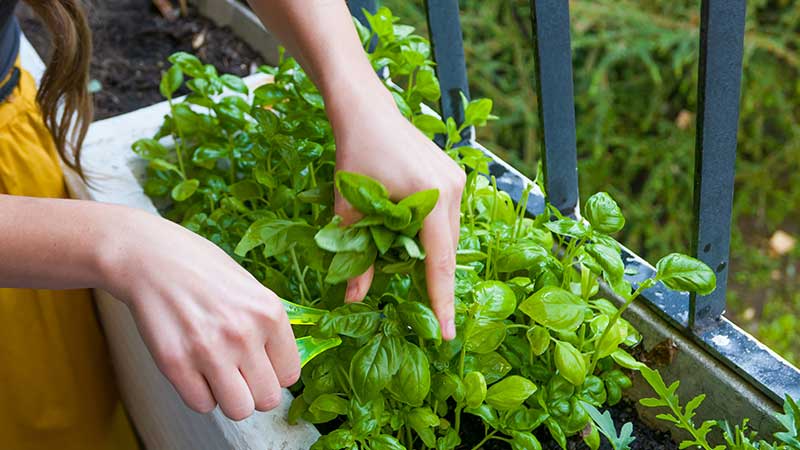
Ah, basil. That fragrant, flavorful herb that elevates everything from pasta sauce to Caprese salads. But have you ever felt the sting of basil heartbreak when your lush, green plant suddenly wilts and bids farewell way too soon? Fear not! Keeping basil growing strong isn't some mystical art. With a little knowledge and a touch of care, you can enjoy a bountiful basil harvest all season long.
Unlocking the Secrets to Keeping Basil Growing: A Comprehensive Guide
Basil, with its vibrant leaves and intoxicating aroma, is a staple in many gardens and kitchens. But many gardeners struggle with getting their basil plants to thrive throughout the entire growing season. This guide aims to provide you with all the information you need tokeep your basil growing vigorously and ensure a continuous supply of this beloved herb.
Understanding Basil's Needs: The Foundation for Keeping Basil Growing
Before diving into specific techniques, let's understand what basil truly needs to flourish. Basil, scientifically known as Ocimum basilicum, is a warm-season annual. This means it thrives in warm temperatures and completes its life cycle in a single growing season. Understanding these basic requirements is crucial tokeeping basil growing well.
Sunlight:Fueling Basil's Growth
Basil craves sunlight. Aim for at least 6-8 hours of direct sunlight per day. Insufficient sunlight leads to leggy growth, pale leaves, and reduced flavor. If you're growing basil indoors, a sunny windowsill or a grow light is essential.
Tip: Rotate your basil plant regularly if it's on a windowsill to ensure even exposure to sunlight.
Watering: Finding the Right Balance
Basil prefers consistently moist soil, but it hates soggy feet. Overwatering can lead to root rot, a common culprit behind wilting basil plants. Check the soil moisture regularly; when the top inch feels dry, it's time to water. Water deeply, ensuring the entire root system is saturated. Allow excess water to drain away. During hot weather, you may need to water your basil more frequently.
Important Note: Avoid splashing water on the leaves, as this can promote fungal diseases.
Soil: The Foundation of a Healthy Plant
Basil thrives in well-draining, fertile soil with a p H between 6.0 and
7.5. Amend your soil with compost or other organic matter to improve drainage and fertility. A slightly acidic soil will help your basil to thrive andkeep your basil plant healthy.
Fact: Basil benefits from a soil rich in nitrogen, which promotes leafy growth. Consider using a slow-release organic fertilizer to provide a steady supply of nutrients.
Essential Techniques for Keeping Basil Growing Successfully
Now that we understand basil's fundamental needs, let's delve into practical techniques that will ensure your plants flourish.
Pinching and Pruning: Encouraging Bushier Growth
Pinching and pruning are crucial forkeeping basil growing bushy and productive. When your basil plant is about 6 inches tall, begin pinching off the central stem just above a set of leaves. This encourages the plant to produce more side shoots, resulting in a bushier, more productive plant. Continue pinching off the top sets of leaves regularly.
Why is this important? Basil is a plant that will attempt to flower and seed. Once it does this, the leaves will lose some of their flavor and the plant's growth will slow considerably. Pinching and pruning delay this process, allowing you to enjoy a longer harvest period. By pinching off the developing flower buds, you force the plant to focus its energy on producing more leaves. Pruning is one way tokeep your basil growing well.
Harvesting:Regularly for Continued Production
Regular harvesting is not only beneficial for enjoying fresh basil but also forkeeping basil growing vigorously. Harvest leaves by snipping them off just above a set of leaves. This encourages new growth and prevents the plant from becoming leggy. Don't be afraid to harvest generously; basil responds well to pruning and will reward you with even more foliage.
Tip: Harvest in the morning, after the dew has dried, for the best flavor.
Dealing with Basil Flowers: To Pinch or Not to Pinch?
As mentioned earlier, basil is prone to flowering. While basil flowers are edible and can be used in culinary applications, allowing the plant to flower will significantly reduce leaf production and flavor. As soon as you see flower buds forming, pinch them off immediately. This will redirect the plant's energy back into leaf production andhelp keep basil growing longer.
Temperature and Climate Control:Addressing Basil's Sensitivity
Basil is a tender herb that is sensitive to frost and cold temperatures. If you live in an area with cool summers or early frosts, consider growing basil in containers so you can easily move them indoors when the weather turns chilly. Temperatures below 50°F (10°C) can damage or kill basil plants. Provide protection from strong winds, which can also damage the leaves.
Case Study: A gardener in a cooler climate successfully extended their basil growing season by using a cold frame to protect their plants from frost in the early spring and late fall. This allowed them to harvest fresh basil for several weeks longer than they would have otherwise.
Troubleshooting Common Basil Problems
Even with the best care, basil plants can sometimes encounter problems. Here's how to address some common issues:
Yellowing Leaves: Addressing Nutrient Deficiencies
Yellowing leaves can indicate a nutrient deficiency, often nitrogen. Amend the soil with compost or use a fertilizer specifically formulated for herbs to replenish essential nutrients. Overwatering can also cause yellowing leaves, so ensure proper drainage.
Wilting Leaves: Diagnosing the Cause
Wilting leaves can be caused by several factors, including underwatering, overwatering, and root rot. Check the soil moisture level and adjust your watering accordingly. If you suspect root rot, gently remove the plant from its container and inspect the roots. Healthy roots are firm and white, while rotted roots are mushy and brown. If root rot is present, trim away the affected roots and replant the basil in fresh, well-draining soil.
Pests and Diseases: Protecting Your Basil
Basil is relatively resistant to pests and diseases, but it can occasionally be affected by aphids, spider mites, and fungal diseases like powdery mildew. Regularly inspect your plants for signs of infestation or disease. Treat infestations with insecticidal soap or neem oil. Improve air circulation and avoid overhead watering to prevent fungal diseases.
Enhance Your Gardening Experience with the Right Tools
Having the right tools can significantly improve your gardening experience and help youkeep basil growing and flourishing. One essential tool is a reliable garden hose. A great option is the 75 FT Garden Hose with a 10-Function Nozzle. This leak-proof, kink-free, and lightweight water hose, complete with a durable metal connector, is perfect for watering your garden plants, including your beloved basil! It is also pet and wear-resistant. Find it here: https://amzn.to/3Yv E0Bo.
Extending Your Basil Season: Beyond the Summer Months
Don't let the end of summer mean the end of your basil harvest. Here are some tips for extending your basil season:
Growing Basil Indoors: Year-Round Freshness
Bring your basil plants indoors before the first frost and place them in a sunny location or under a grow light. Provide consistent moisture and fertilize regularly tokeep your basil growing throughout the winter. You may need to adjust your watering schedule as the plant's water needs may be lower indoors.
Propagating Basil Cuttings:Creating New Plants
Propagate basil cuttings to create new plants. Simply take a 4-6 inch cutting from a healthy basil plant, remove the lower leaves, and place the cutting in a glass of water. Within a few weeks, roots will develop, and you can transplant the cutting into a pot filled with well-draining soil. Propagating basil cuttings is a great way tokeep your basil growing even if your original plant starts to decline.
Conclusion: A Lifetime of Basil Enjoyment
With a little attention and effort, you can enjoy a continuous supply of fresh, fragrant basil throughout the growing season and beyond. By understanding basil's needs and implementing the techniques outlined in this guide, you'll be well on your way tokeeping basil growing strong and reaping the rewards of a bountiful harvest.