Picture this: you’re making a delicious pesto, but you're out of fresh basil! A quick trip to the grocery store solves the problem, but what if you could extend the life of that store-bought basil and create an endless supply? The good news is, with a little know-how, you absolutely can! Growing Basil From Store-Bought: A Complete Guide So, can you really grow basil from store bought bunches? Absolutely! It's a fantastic way to save money, reduce waste, and enjoy fresh basil whenever you need it. However, the success of growing basil from store bought depends on a few key factors. This article will walk you through the entire process, from selecting the right basil to harvesting your homegrown leaves. We'll cover everything you need to know to successfully propagate basil from your grocery store haul. Selecting the Right Store-Bought Basil for Propagation Not all store-bought basil is created equal when it comes to propagation. To increase your ...
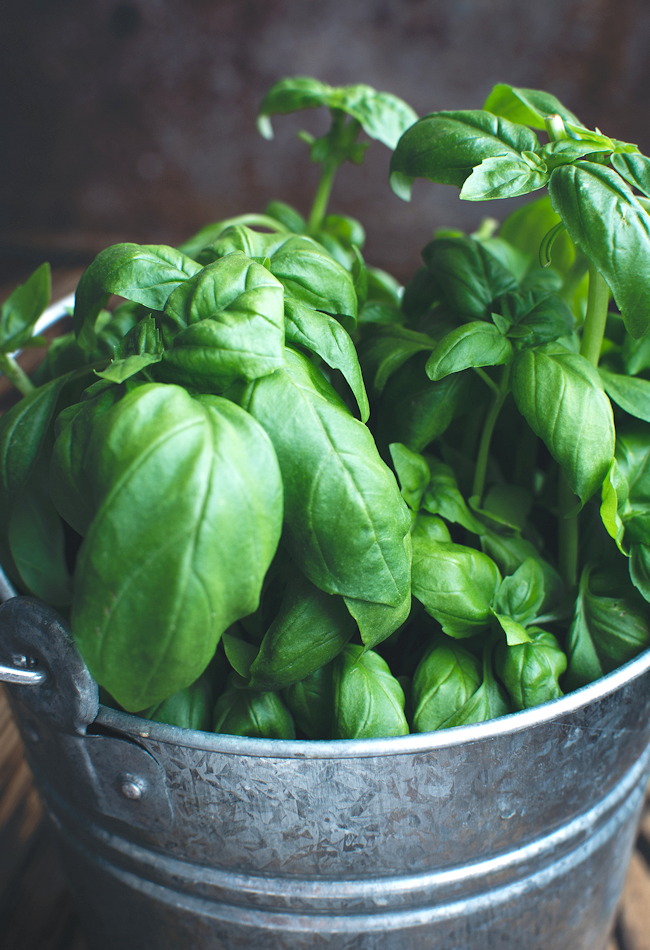
Basil, with its fragrant leaves and vibrant flavor, is a staple in many kitchens. But does growing this culinary herb require a green thumb of steel, or can even gardening novices successfully cultivate their own basil patch? Let's dive into the world of basil cultivation and uncover the secrets to growing this beloved herb with ease.
Is Basil Hard To Grow? Addressing the Concerns
The question of whether basil is difficult to grow often arises for beginner gardeners. The short answer is: it doesn't have to be! While basil can be a bit finicky, understanding its needs and avoiding common pitfalls can lead to a bountiful harvest. Many factors can influence the ease of growing basil, from environmental conditions to proper care techniques. Let's explore some of these key elements that can significantly impact your basil-growing journey.
Understanding Basil's Needs:Setting the Stage for Success
To address the question "Is basil difficult to grow?", it’s essential to understand basil's environmental preferences. Basil thrives in warm weather, needing at least 6-8 hours of direct sunlight daily. It's a tender annual, meaning it's sensitive to frost. Planting basil too early in the spring, before the threat of frost has passed, can lead to stunted growth or even death. Optimal soil temperature for germination is between 70-80°F (21-27°C). You can check soil temperature using a soil thermometer. Consistent warm temperatures are key; basil doesn't appreciate sudden temperature drops.
Furthermore, the soil itself plays a crucial role. Basil prefers well-draining soil that is rich in organic matter. Heavy clay soil can become waterlogged, leading to root rot, a common issue that can plague basil plants. Adding compost or other organic amendments to the soil improves drainage and provides essential nutrients. Soil p H should be slightly acidic to neutral, around 6.0 to
7.5. If you're unsure of your soil's p H, a soil test kit can provide valuable information.
Common Basil Growing Problems and How to Avoid Them
Even with the best intentions, basil plants can sometimes encounter problems. Let's address some common challenges and how to prevent them:
- Yellowing Leaves: This can be a sign of overwatering, underwatering, or nutrient deficiency. Ensure proper drainage and allow the soil to dry slightly between waterings. Feed your basil plants regularly with a balanced fertilizer.
- Root Rot: As mentioned earlier, root rot is often caused by waterlogged soil. Improve drainage by amending the soil with organic matter and avoid overwatering.
- Fungal Diseases: Basil is susceptible to fungal diseases like downy mildew, especially in humid conditions. Improve air circulation by spacing plants adequately and avoid overhead watering. Look for disease-resistant basil varieties.
- Pests: Aphids, spider mites, and Japanese beetles can attack basil plants. Regularly inspect your plants for signs of infestation and take appropriate action, such as spraying with insecticidal soap or neem oil.
In summary, preventing these problems often outweighs trying to solve them. Careful attention to watering, soil quality, and environmental conditions can significantly reduce the risk of encountering these common basil-growing issues.
Basil Varieties: Choosing the Right One for Your Garden
Not all basil varieties are created equal! Some are more resilient or better suited to specific climates or growing conditions. Exploring different varieties can also be an excellent way to determine how hard it is to grow basil. Consider these options:
- Genovese Basil: This is the classic Italian basil, known for its large, fragrant leaves. It's a popular choice for pesto and other culinary uses.
- Thai Basil: With its anise-like flavor, Thai basil is a staple in Southeast Asian cuisine. It's more heat-tolerant than Genovese basil.
- Lemon Basil: This variety has a distinct lemon scent and flavor, adding a refreshing twist to dishes.
- Purple Basil: As its name suggests, this basil has beautiful purple leaves. It has a slightly spicier flavor than Genovese basil.
- Dwarf Basil: A compact variety that's ideal for growing in containers or small spaces.
Researching the specific needs of each variety can help you choose the best option for your garden and increase your chances of success.
Tips and Tricks for Easy Basil Growing
Beyond the basics, several tips and tricks can make growing basil even easier:
- Start with healthy seedlings: Purchasing healthy seedlings from a reputable nursery gives your basil plants a head start.
- Pinch off flower buds: Pinching off flower buds encourages the plant to produce more leaves, resulting in a bushier and more productive plant.
- Water deeply but infrequently: Water thoroughly when the top inch of soil feels dry. Avoid frequent shallow waterings, which can lead to shallow root growth.
- Fertilize regularly: Feed your basil plants every 2-3 weeks with a balanced fertilizer.
- Harvest frequently: Harvesting basil leaves encourages the plant to produce more. Don't be afraid to harvest generously!
These simple techniques can significantly impact your basil yield and overall plant health. Proper harvesting encourages leaf production and will make the answer to "Is basil hard to grow" a resounding "no!".
Growing Basil in Containers: A Convenient Option
If you have limited garden space or want to keep your basil plants close at hand, growing basil in containers is an excellent option. Choose a container that is at least 12 inches in diameter and has drainage holes. Use a high-quality potting mix that is well-draining. Place the container in a sunny location and water regularly. Container-grown basil may require more frequent watering and fertilization than basil grown in the ground.
Container gardening offers several advantages, including portability, ease of weed control, and the ability to control the growing environment. For those who aren't sure how hard it is to grow basil, containers make it easier!
Conclusion: You Can Grow Basil!
So, is basil hard to grow? While it requires some attention to detail, with the right knowledge and care, even beginner gardeners can successfully cultivate this flavorful herb. By understanding basil's needs, avoiding common problems, and implementing simple growing techniques, you can enjoy a bountiful harvest of fresh basil all season long. With a little effort, you'll find that growing basil is a rewarding and delicious experience.
To ensure your garden thrives, having the right tools is essential. Consider investing in a quality watering solution like a versatilegarden hose that stretches to 75 FT and comes with a 10-function nozzle for various watering needs. Its leak-proof metal connectors and kink-free design will make your watering tasks a breeze! Check it out on Amazon here: https://amzn.to/3Yv E0Bo.