Picture this: you’re making a delicious pesto, but you're out of fresh basil! A quick trip to the grocery store solves the problem, but what if you could extend the life of that store-bought basil and create an endless supply? The good news is, with a little know-how, you absolutely can! Growing Basil From Store-Bought: A Complete Guide So, can you really grow basil from store bought bunches? Absolutely! It's a fantastic way to save money, reduce waste, and enjoy fresh basil whenever you need it. However, the success of growing basil from store bought depends on a few key factors. This article will walk you through the entire process, from selecting the right basil to harvesting your homegrown leaves. We'll cover everything you need to know to successfully propagate basil from your grocery store haul. Selecting the Right Store-Bought Basil for Propagation Not all store-bought basil is created equal when it comes to propagation. To increase your ...
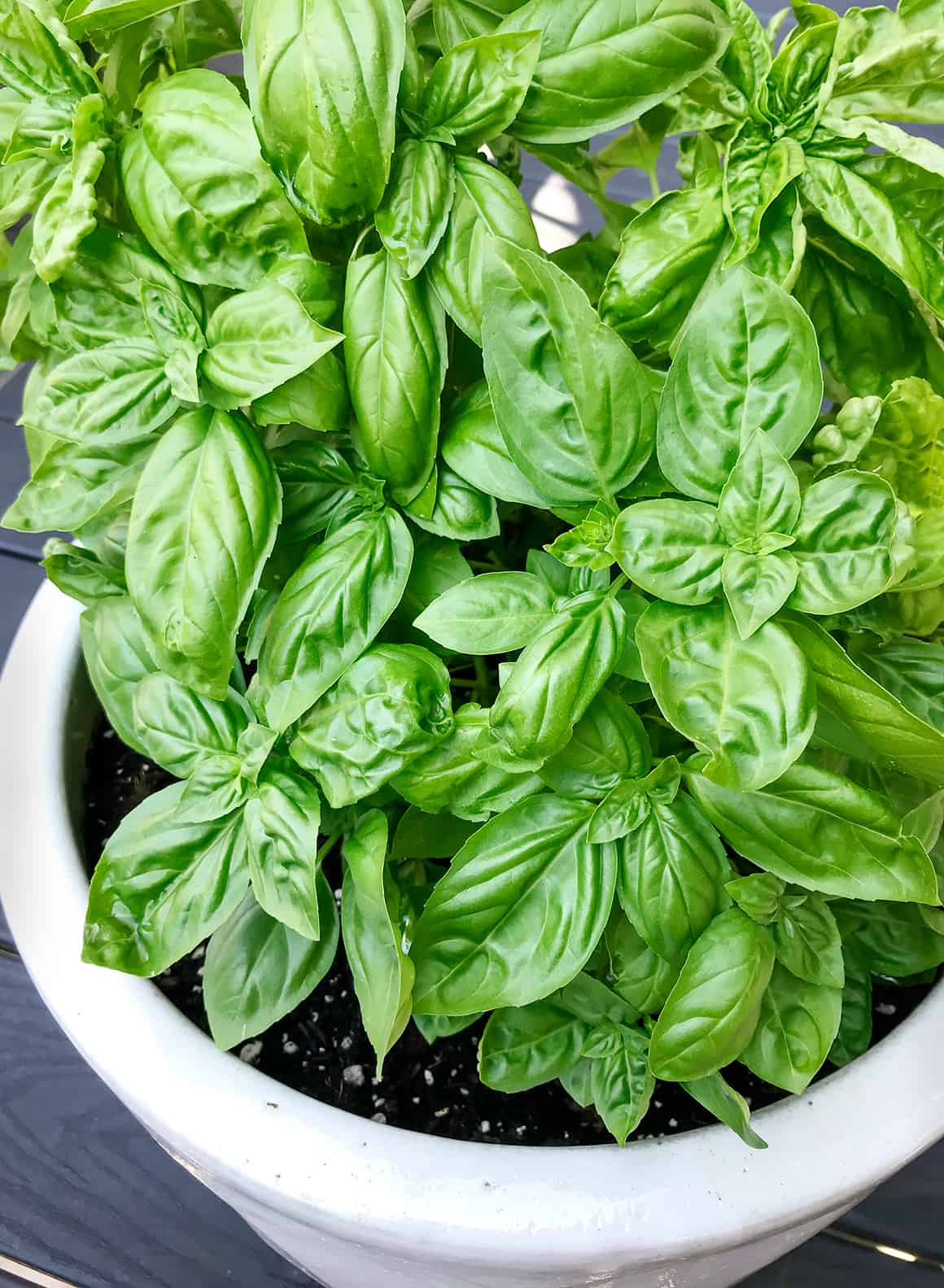
Basil, the fragrant herb gracing our pesto and brightening our summer salads, is a garden favorite for many. But a common question among gardeners, especially beginners, is: what happens after you snip those precious leaves? Will my basil plant spring back to life, or have I doomed it to a leafy demise? The answer, thankfully, is a resoundingyes! But like most things in the gardening world, there's a bit more to the story than a simple up or down vote.
Will Basil Grow Back After Cutting? Understanding Basil Regrowth
The good news is that basil plants are incredibly resilient and respond well to pruning. The ability for your basil togrow back after cutting depends on a few crucial factors, including how you prune, the overall health of your plant, and the variety of basil you're growing. Generally, if you cut your basil correctly, leaving healthy nodes intact, you can expect it toregrow after cutting fairly quickly.
How to Properly Cut Basil for Regrowth
Knowinghowto cut your basil is just as important as knowingthatit will grow back. The goal is to encourage bushier growth, not just a single stem shooting upwards. Here's a step-by-step guide to proper basil pruning:
- Identify the Nodes: Look for small bumps or tiny leaves emerging from the main stem. These are the nodes, and they are where new growth will originate.
- Cut Above the Nodes: Using clean, sharp scissors or pruning shears, make a cut about ¼ inch above a set of nodes. This encourages the plant to branch out at those nodes, leading to a fuller plant.
- Don't Remove All the Leaves: Leave at least 4-6 leaves on the plant to continue photosynthesis and fuel new growth.
- Regular Harvesting: Regular harvesting actually encourages more growth! Don't be afraid to cut your basil frequently, especially when it starts to flower.
Cutting Back Basil After Flowering: Is it Too Late for Regrowth?
Basil plants, when left to their own devices, will eventually flower. Once flowering begins, the leaves' flavor can become bitter. But don't despair! Even if your basil has flowered, it can stillgrow back after cutting the flowering stems. The key is to act quickly.
- Remove the Flower Stalks: Cut the flowering stems back to a set of leaves further down the stem.
- Prune Below the Lowest Flower: Snip off the stem just above a set of healthy leaves, below the lowest flower on the stem.
- Fertilize Lightly: Give your plant a boost with a diluted liquid fertilizer to encourage new growth.
While your basil may not be as flavorful as it once was immediately after flowering, cutting back encourages new, flavorful leaves to emerge. Think of it as a reset button for your basil plant.
Speaking of gardens, a reliable watering system is crucial for thriving plants. Consider investing in a75 FT Garden Hose with a 10-Function Nozzle. This leak-proof metal connector hose is designed to be knot-free and kink-free, making watering your basil and other plants a breeze. You can find it here:https://amzn.to/3Yv E0Bo.
Factors Affecting Basil Regrowth After Cutting
Several factors can influence how well your basil plantgrows back after cutting. Let's examine some of the key elements:
- Basil Variety: Different basil varieties have varying growth rates and characteristics. Genovese basil, for example, tends to be a vigorous grower and responds well to pruning. Thai basil, on the other hand, might grow a bit slower.
- Sunlight: Basil needs at least 6-8 hours of sunlight per day to thrive. Insufficient sunlight can stunt growth and slow down the regrowth process.
- Watering: Consistent watering is crucial, but avoid overwatering, which can lead to root rot. Check the soil moisture before watering and allow the top inch or two to dry out between waterings.
- Soil Quality: Basil prefers well-draining soil rich in organic matter. Amend your soil with compost or other organic materials to improve drainage and nutrient content.
- Temperature: Basil is a warm-weather herb and prefers temperatures between 70-80°F (21-27°C). Cold temperatures can damage the plant and hinder regrowth.
- Nutrient Availability: Basil needs nutrients to fuel its growth. Use a balanced fertilizer or compost tea to provide essential nutrients.
- Pest and Disease Control: Pests like aphids and diseases like fungal infections can weaken the plant and slow down or prevent regrowth. Monitor your basil regularly and take action to control any pests or diseases.
Troubleshooting Basil Regrowth Issues
Sometimes, even with the best intentions, your basil plant might notgrow back after cutting as expected. Here are some common problems and their solutions:
- Slow Growth: If your basil is growing slowly, it could be due to insufficient sunlight, water, or nutrients. Make sure your plant is getting enough light, water it regularly, and fertilize it with a balanced fertilizer.
- Yellowing Leaves: Yellowing leaves can indicate overwatering, nutrient deficiencies, or pest infestations. Check the soil moisture, fertilize your plant, and inspect it for pests.
- Leggy Growth: Leggy growth, where the stems are long and spindly with few leaves, is usually caused by insufficient sunlight. Move your plant to a sunnier location.
- No New Growth After Pruning: This could be due to several factors, including improper pruning techniques, pest infestations, or disease. Make sure you're cutting above the nodes, check for pests and diseases, and provide adequate care.
Here’s a handy table summarizing common issues and solutions:
| Problem | Possible Cause | Solution |
|---|---|---|
| Slow Growth | Insufficient sunlight, water, or nutrients | Provide more sunlight, water regularly, fertilize |
| Yellowing Leaves | Overwatering, nutrient deficiencies, pests | Adjust watering, fertilize, inspect for pests |
| Leggy Growth | Insufficient sunlight | Move to a sunnier location |
| No New Growth After Pruning | Improper pruning, pests, disease | Prune correctly, check for pests/disease, provide care |
By understanding these factors and troubleshooting common issues, you can ensure that your basil plant thrives andgrows back after cutting stronger and bushier than ever before. Happy gardening!