Picture this: you’re making a delicious pesto, but you're out of fresh basil! A quick trip to the grocery store solves the problem, but what if you could extend the life of that store-bought basil and create an endless supply? The good news is, with a little know-how, you absolutely can! Growing Basil From Store-Bought: A Complete Guide So, can you really grow basil from store bought bunches? Absolutely! It's a fantastic way to save money, reduce waste, and enjoy fresh basil whenever you need it. However, the success of growing basil from store bought depends on a few key factors. This article will walk you through the entire process, from selecting the right basil to harvesting your homegrown leaves. We'll cover everything you need to know to successfully propagate basil from your grocery store haul. Selecting the Right Store-Bought Basil for Propagation Not all store-bought basil is created equal when it comes to propagation. To increase your ...
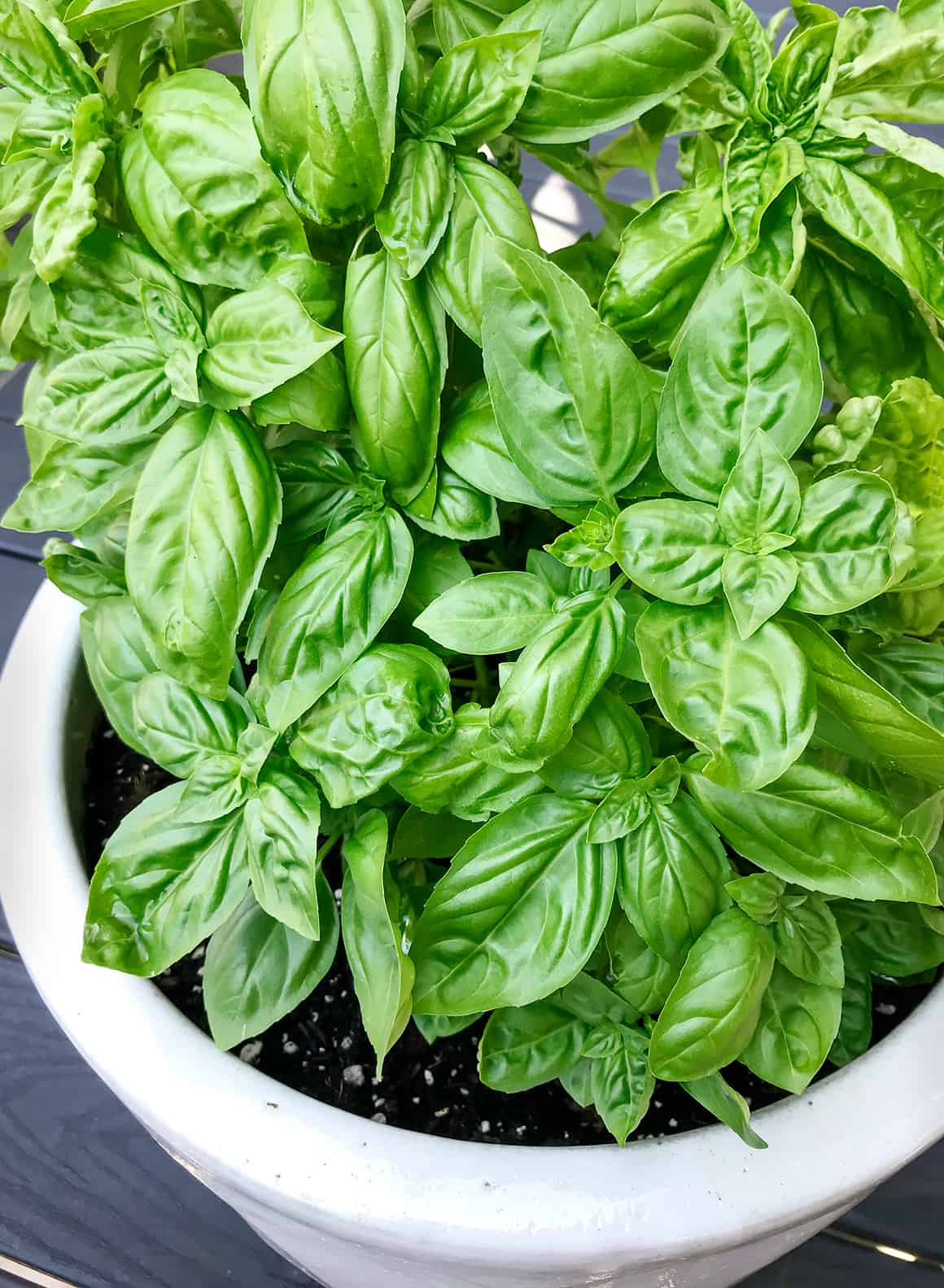
Basil, with its aromatic leaves and culinary versatility, is a favorite herb among gardeners. But what if your garden is more shaded than sunny? Can basil thrive in less-than-ideal light conditions? The answer is a bit more nuanced than a simple yes or no, so let's explore the relationship between basil and shade.
Understanding Basil's Light Requirements
Basil, scientifically known as Ocimum basilicum, is a sun-loving herb. Ideally, it needs6-8 hours of direct sunlight per day to flourish. This intense light fuels photosynthesis, the process by which plants convert light energy into chemical energy (sugars) for growth. Without sufficient sunlight, basil plants struggle to produce enough energy, leading to stunted growth, pale leaves, and reduced flavor. Let's dive deeper into why sunlight is so critical for basil and the effects of shade.
The Impact of Shade on Basil Growth
When basil is grown in shade, a cascade of effects can impact its health and productivity. These effects are mainly due to the reduced amount of light available for photosynthesis. Here's a breakdown:
- Reduced Growth Rate: Plants in shady areas will grow much slower than plants in sunny areas. The lack of adequate sunlight directly limits their ability to produce the energy required for robust growth.
- Leggy Stems: Basil plants deprived of adequate sunlight tend to stretch towards the light source, resulting in long, weak, and spindly stems. This phenomenon, called etiolation, makes the plant more susceptible to bending and breaking.
- Pale Leaves: Sunlight is essential for chlorophyll production, the pigment that gives leaves their green color. In shade, basil leaves may appear pale green or even yellowish.
- Reduced Flavor: The essential oils that give basil its characteristic aroma and flavor are produced in higher concentrations when the plant receives ample sunlight. Shaded basil tends to have a milder, less intense flavor.
- Increased Susceptibility to Diseases: Weakened plants are more vulnerable to diseases and pests. Poor air circulation, which often accompanies shady conditions, further exacerbates these problems. Common fungal diseases, such as powdery mildew, can readily attack basil plants in shaded areas.
Can You Grow Basil in Partial Shade?
While basil thrives in full sun, itcan tolerate partial shade, especially during the hottest parts of the day. Partial shade refers to an area that receives 4-6 hours of direct sunlight, typically in the morning or late afternoon, with shade during the midday hours. If you want to grow basil and only have access to partial shade, choosing the right location and offering proper care is essential to get the best results. Providing basil with even just a few hours of direct sun can make a difference. Even areas with filtered sunlight for most of the day can be sufficient, as well. Some experts indicate that growing basil in shade could alter the flavor profiles and essential oil components. Therefore, it is recommended to grow basil in areas with adequate sunlight to achieve ideal results.
Tips for Growing Basil in Partial Shade
Even though growing basil in full sun is ideal, it is possible to do it in partial shade. Here are some specific strategies to maximize the chances of success in such an environment:
- Choose the Right Variety: Some basil varieties are more tolerant of shade than others. For example, lemon basil and Thai basil are sometimes reported to perform slightly better in partial shade than sweet basil, although the evidence is anecdotal. Experiment with different varieties to see what works best in your garden.
- Maximize Sunlight Exposure: Plant your basil in the sunniest spot available, even if it's not ideal. Consider using reflective surfaces, such as white walls or aluminum foil, to bounce sunlight onto the plants. You can even prune nearby plants or trees that are casting too much shade.
- Ensure Good Air Circulation: Proper air circulation helps prevent fungal diseases, which are more prevalent in shady, humid environments. Space your basil plants adequately and prune them regularly to improve airflow.
- Water Carefully: Avoid overwatering, as this can create soggy conditions that promote fungal growth. Water basil only when the top inch of soil feels dry.
- Fertilize Regularly: Basil grown in shade may benefit from regular fertilization to compensate for reduced photosynthetic activity. Use a balanced fertilizer according to package instructions.
- Monitor for Pests and Diseases: Regularly inspect your basil plants for signs of pests or diseases. Address any problems promptly to prevent them from spreading.
Factors That Influence Basil's Shade Tolerance
Basil's ability to tolerate shade isn't solely determined by light availability. Several other factors play a crucial role, including:
- Basil Variety: As mentioned previously, some basil varieties are naturally more shade-tolerant than others. This is likely due to genetic variations in their ability to adapt to different light levels.
- Soil Quality: Well-draining soil is essential for basil, regardless of light conditions. Poorly drained soil can lead to root rot, especially in shady areas where the soil tends to stay moist for longer periods.
- Climate: In hot climates, basil may actually benefit from some afternoon shade to prevent leaf scorch. However, in cooler climates, basil needs all the sunlight it can get to thrive.
- Plant Age: Young basil seedlings are more vulnerable to shade than established plants. Give seedlings extra care and protection until they are strong enough to withstand less-than-ideal light conditions.
To water your shade-tolerant basil plants effectively, consider using a reliable garden hose like theGarden Hose 75 FT with 10-Function Nozzle. This 75 FT garden watering hosefeatures a leak-proof metal connector and is designed to be kink-free, ensuring your plants get the right amount of water without any hassle. Plus, it's anti-pet and wear-resistant, making it a durable choice for your garden. You can find it on Amazon:https://amzn.to/3Yv E0Bo.
In conclusion, while basil prefers full sun, it can still grow in partial shade with proper care and attention. Understanding the impact of shade on basil growth, choosing the right variety, and implementing strategies to maximize sunlight exposure will increase your chances of success. With a little extra effort, you can enjoy fresh, aromatic basil even in a less-than-sunny garden.