Picture this: you’re making a delicious pesto, but you're out of fresh basil! A quick trip to the grocery store solves the problem, but what if you could extend the life of that store-bought basil and create an endless supply? The good news is, with a little know-how, you absolutely can! Growing Basil From Store-Bought: A Complete Guide So, can you really grow basil from store bought bunches? Absolutely! It's a fantastic way to save money, reduce waste, and enjoy fresh basil whenever you need it. However, the success of growing basil from store bought depends on a few key factors. This article will walk you through the entire process, from selecting the right basil to harvesting your homegrown leaves. We'll cover everything you need to know to successfully propagate basil from your grocery store haul. Selecting the Right Store-Bought Basil for Propagation Not all store-bought basil is created equal when it comes to propagation. To increase your ...
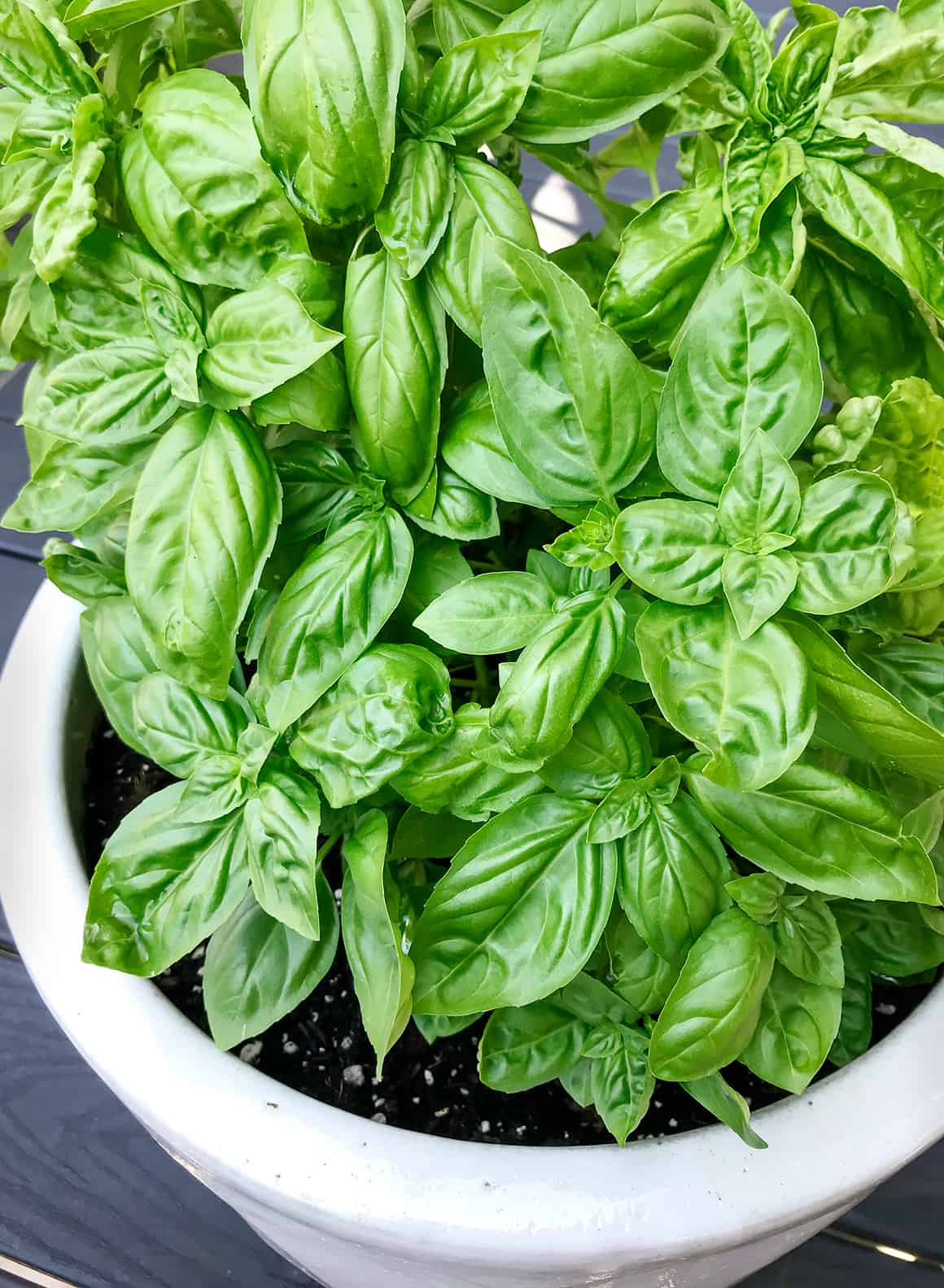
The aroma of fresh basil, wafting from your own garden, is a simple pleasure that's surprisingly easy to achieve. Imagine adding vibrant, flavorful leaves to your pasta sauce, pesto, or summer salads – all grown from tiny seeds you nurtured yourself. Getting started with basil from seeds is a rewarding experience, and this guide will walk you through every step, ensuring you have a bountiful harvest.
Basil Growing From Seeds: A Comprehensive Guide
Growing basil from seeds is a fantastic way to have a constant supply of this flavorful herb. It's economical, allowing you to cultivate a large amount of basil for a fraction of the cost of buying it at the store. Plus, it gives you the satisfaction of knowing you grew it yourself, from seed to table. This guide will cover everything from choosing the right seeds to harvesting your first batch of leaves. Let's dive in!
Why Grow Basil from Seeds?
There are many advantages to starting your basil journey from seed. For one, it gives you a much wider selection of varieties to choose from. While your local nursery might only carry a few common types, seed catalogs and online retailers offer a dazzling array of basil options, from classic Genovese to lemon basil, Thai basil, and even purple basil. Growing from seed allows you to experiment and find your favorite flavors and aromas.
Another significant benefit is cost-effectiveness. A packet of basil seeds is relatively inexpensive, and you can grow dozens of plants from just one packet. This is especially beneficial if you use basil frequently in your cooking. In comparison to continuously buying fresh basil from the grocery store, growing your own saves a significant amount of money over time.
Finally, growing from seed is an incredibly rewarding experience. Witnessing the transformation from a tiny seed to a thriving plant is a source of satisfaction and pride. It also connects you more deeply to the food you eat, fostering a greater appreciation for the growing process.
Seedling Selection Matters
Not all basil seeds are created equal. Choosing high-quality seeds from a reputable source is crucial for ensuring good germination rates and healthy plants. Look for seed packets that are clearly labeled with the variety name and date of packaging. Fresher seeds tend to have higher germination rates.
Consider the different varieties of basil and choose the ones that best suit your needs and preferences. Here's a brief overview of some popular options:
- Genovese Basil: The classic choice for pesto and Italian cuisine. It has a sweet, slightly peppery flavor and large, oval-shaped leaves.
- Thai Basil: Offers a distinct anise-like flavor and is commonly used in Southeast Asian dishes. It has slender leaves and purple stems.
- Lemon Basil: Boasts a bright, citrusy flavor that's perfect for salads, teas, and desserts.
- Purple Basil: Adds a beautiful color and a slightly spicy flavor to your dishes.
- Globe Basil: A compact variety that's ideal for growing in containers. It has a milder flavor than Genovese basil.
Starting Basil Seeds Indoors
Starting your basil seeds indoors gives you a head start on the growing season, especially in regions with short summers. It also allows you to control the growing environment, ensuring optimal conditions for germination and seedling development.
Timing is Key
The best time to start basil seeds indoors is about 6-8 weeks before the last expected frost in your area. This will give the seedlings enough time to develop into strong, healthy plants before you transplant them outdoors. You can determine the last frost date for your region by checking with your local extension office or online resources.
The Right Setup
To start your basil seeds indoors, you'll need the following supplies:
- Seed starting trays or small pots: Choose trays or pots with drainage holes to prevent waterlogging.
- Seed starting mix: Use a light, well-draining mix that's specifically formulated for seed starting. Avoid using garden soil, as it can be too heavy and may contain pathogens.
- Watering can or spray bottle: For gentle watering to avoid disturbing the seeds.
- Heat mat (optional): Basil seeds germinate best in warm temperatures (around 70-75°F). A heat mat can help provide consistent warmth.
- Grow lights (optional): If you don't have a sunny windowsill, grow lights will provide the necessary light for healthy seedling growth.
The Sowing Process
Once you have your supplies ready, follow these steps to sow your basil seeds:
- Moisten the seed starting mix thoroughly.
- Fill the trays or pots with the moistened mix.
- Sow the seeds thinly on the surface of the mix. Basil seeds need light to germinate, so don't bury them too deeply.
- Gently press the seeds into the mix.
- Mist the surface with water to ensure good contact between the seeds and the mix.
- Cover the trays or pots with a clear plastic dome or plastic wrap to create a humid environment.
- Place the trays or pots in a warm location, either on a heat mat or in a sunny spot.
Caring for Seedlings
Keep the seed starting mix consistently moist, but not waterlogged. Check the moisture level daily and mist with water as needed. Once the seeds germinate (usually within 5-10 days), remove the plastic dome or wrap and provide adequate light. If you're using grow lights, keep them a few inches above the seedlings and adjust the height as they grow.
Once the seedlings have developed their first set of true leaves (the second set of leaves that appear after the initial seed leaves), you can start fertilizing them with a diluted liquid fertilizer. Follow the instructions on the fertilizer label. Thin out the seedlings if necessary, removing the weaker ones to give the stronger ones more room to grow.
Direct Sowing Basil Seeds Outdoors
In warmer climates with long growing seasons, you can also direct sow basil seeds outdoors. This method is less work than starting seeds indoors, but it's important to wait until the soil has warmed up to at least 60°F and the danger of frost has passed. Using a soil thermometer can give you an accurate reading.
Preparing the Soil
Before sowing your basil seeds, prepare the soil by loosening it and removing any rocks or debris. Amend the soil with compost or other organic matter to improve its fertility and drainage. Basil prefers well-drained soil that's rich in nutrients.
Sowing Directly
Sow the basil seeds thinly on the surface of the soil, spacing them about 12 inches apart. Gently press the seeds into the soil and water thoroughly. Keep the soil consistently moist until the seeds germinate. Once the seedlings emerge, thin them out to one plant per 12 inches.
Transplanting Basil Seedlings
Whether you started your basil seeds indoors or purchased seedlings from a nursery, transplanting them into your garden requires careful attention. Choose a sunny location with well-drained soil. Basil needs at least 6-8 hours of sunlight per day to thrive.
Hardening Off
Before transplanting your seedlings, it's important to harden them off. This process gradually acclimates them to outdoor conditions, preventing transplant shock. Start by placing the seedlings outdoors in a sheltered location for a few hours each day, gradually increasing the amount of time they spend outside over the course of a week. Protect them from strong winds and direct sunlight during this process.
Transplanting Steps
Once the seedlings have been hardened off, you can transplant them into your garden. Dig a hole that's slightly larger than the root ball of the seedling. Gently remove the seedling from its container and loosen the roots slightly. Place the seedling in the hole and backfill with soil, making sure the top of the root ball is level with the surrounding soil. Water thoroughly after transplanting.
Caring for Your Basil Plants
Once your basil plants are established in your garden, regular care is essential for ensuring a bountiful harvest. This includes watering, fertilizing, pruning, and pest control.
Watering
Basil plants need consistent moisture, especially during hot, dry weather. Water deeply and regularly, making sure the soil stays moist but not waterlogged. Avoid overhead watering, as this can promote fungal diseases. Instead, water at the base of the plant.
Fertilizing
Basil is a heavy feeder and benefits from regular fertilization. Use a balanced liquid fertilizer or side-dress with compost every few weeks. Avoid over-fertilizing, as this can lead to leggy growth and reduced flavor.
Pruning
Pruning is essential for encouraging bushy growth and preventing the plants from flowering. Once the plants reach about 6 inches tall, pinch off the top set of leaves. This will encourage the plants to branch out and produce more leaves. Continue pinching off the top sets of leaves throughout the growing season. Once flower buds appear, pinch them off immediately to maintain leaf production.
Here's a tip: To keep your basil plants hydrated and healthy, consider using a reliable garden hose. The Garden Hose 75 FT with 10-Function Nozzle is a great option for watering your garden efficiently and without leaks. You can find this durable and kink-free watering hose here: https://amzn.to/3Yv E0Bo.
Pest and Disease Control
Basil plants are generally resistant to pests and diseases, but they can occasionally be affected by aphids, spider mites, or fungal diseases. Inspect your plants regularly for any signs of infestation or disease. If you find any problems, take action promptly to prevent them from spreading.
Common Pests
Aphids and spider mites can be controlled with insecticidal soap or neem oil. These products are safe for use on edible plants and won't harm beneficial insects.
Fungal Diseases
Fungal diseases, such as downy mildew and fusarium wilt, can be prevented by providing good air circulation and avoiding overhead watering. If you notice any signs of fungal disease, remove the affected leaves and treat the plants with a fungicide.
Harvesting Your Basil
You can start harvesting basil leaves as soon as the plants are large enough to spare a few leaves. Pinch off the top sets of leaves, as this will encourage the plants to branch out and produce more leaves. Harvest regularly throughout the growing season to keep the plants producing.
Harvesting Tips
The best time to harvest basil is in the morning, after the dew has dried. The leaves will be at their peak flavor at this time. To harvest, simply pinch off the leaves with your fingers or use scissors. Avoid cutting the main stem, as this can stunt the plant's growth.
Storage
Fresh basil leaves can be stored in the refrigerator for a few days. Wrap them in a damp paper towel and store them in a plastic bag. You can also freeze basil leaves for longer storage. Blanch the leaves in boiling water for a few seconds, then plunge them into ice water to stop the cooking process. Drain the leaves and freeze them in a single layer on a baking sheet. Once they're frozen, transfer them to a freezer bag.
Conclusion
Growing basil from seeds is a rewarding and enjoyable experience that can provide you with a constant supply of fresh, flavorful leaves for your cooking. By following the steps outlined in this guide, you can successfully cultivate your own basil plants and enjoy the many benefits of homegrown herbs. So, grab a packet of seeds, get your hands dirty, and start your basil-growing adventure today!