Picture this: you’re making a delicious pesto, but you're out of fresh basil! A quick trip to the grocery store solves the problem, but what if you could extend the life of that store-bought basil and create an endless supply? The good news is, with a little know-how, you absolutely can! Growing Basil From Store-Bought: A Complete Guide So, can you really grow basil from store bought bunches? Absolutely! It's a fantastic way to save money, reduce waste, and enjoy fresh basil whenever you need it. However, the success of growing basil from store bought depends on a few key factors. This article will walk you through the entire process, from selecting the right basil to harvesting your homegrown leaves. We'll cover everything you need to know to successfully propagate basil from your grocery store haul. Selecting the Right Store-Bought Basil for Propagation Not all store-bought basil is created equal when it comes to propagation. To increase your ...
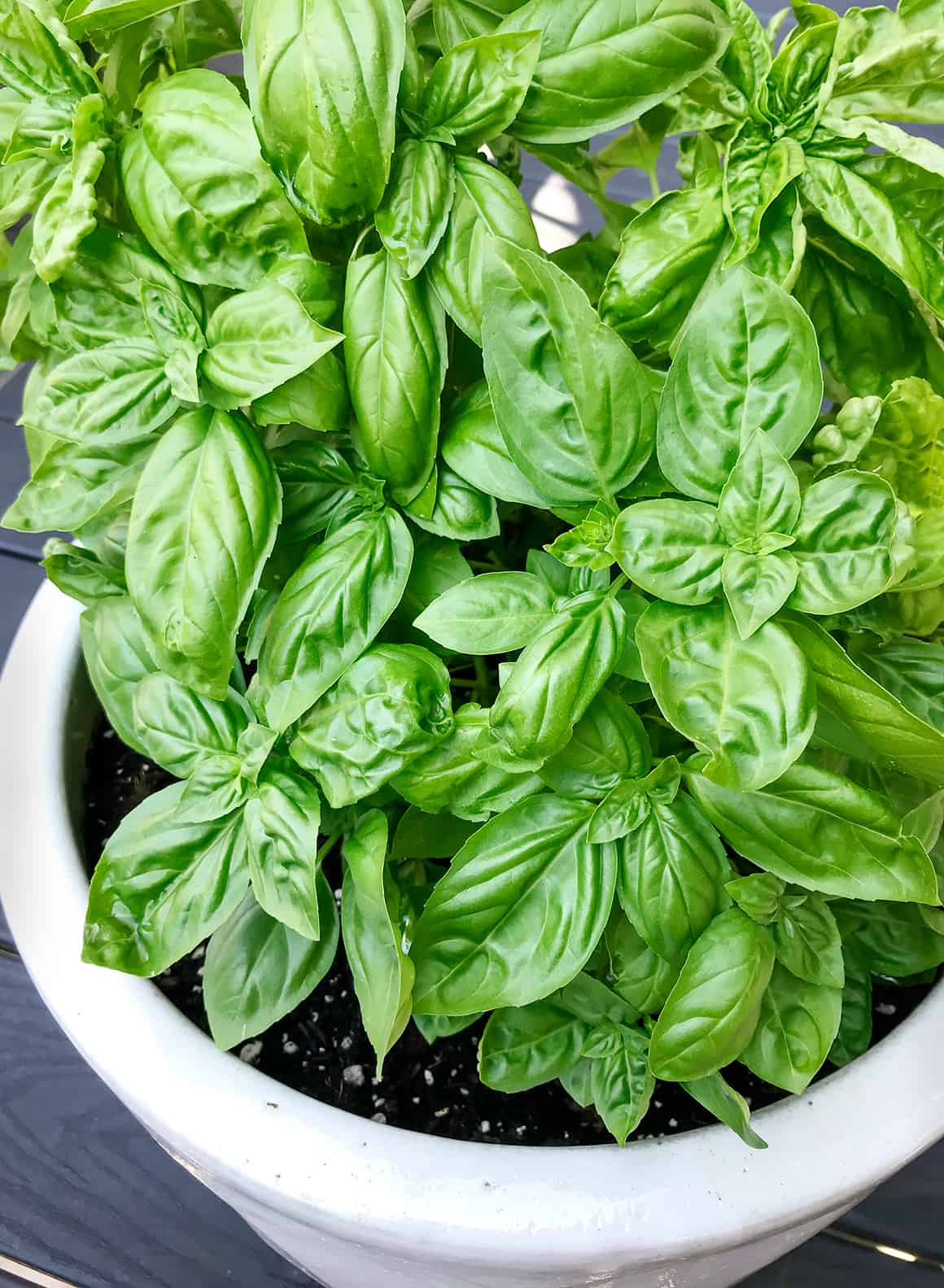
Basil, that fragrant herb we love in our pesto and Caprese salads, is a staple in many gardens. But have you ever wondered just how big these aromatic plants can actually grow? It's not just about the flavor; the size of your basil plants can influence their yield and overall health. Let's dig into the details of basil growth and how to maximize your harvest.
Basil Plant Size: Understanding Growth Potential
When we talk about "basil how big does it grow," we're really diving into a range of factors that influence its ultimate size. Basil is a relatively fast-growing annual herb, but the specific dimensions of your plants depend on the variety, the growing conditions, and even your pruning techniques. Understanding these factors can help you plan your garden layout and optimize your basil harvest.
Factors Influencing Basil Size
Several key elements play a role in determining how large your basil plants will become. Let's take a closer look:
Basil Variety
Not all basil is created equal! Different varieties have vastly different growth habits. Sweet basil, the most common type, typically reaches a height of 18-24 inches and a spread of 12-18 inches. Thai basil, known for its anise-like flavor, can grow a bit taller, reaching up to 30 inches in height. Dwarf basil varieties, on the other hand, such as Spicy Globe basil, stay compact, only growing to about 8-12 inches tall and wide. Choosing the right variety for your space is the first step in managing the size of your basil.
Here's a table summarizing the typical sizes of common basil varieties:
| Basil Variety | Typical Height | Typical Spread |
|---|---|---|
| Sweet Basil | 18-24 inches | 12-18 inches |
| Thai Basil | 24-30 inches | 12-18 inches |
| Genovese Basil | 18-24 inches | 12-18 inches |
| Lemon Basil | 12-18 inches | 12-18 inches |
| Purple Basil | 18-24 inches | 12-18 inches |
| Spicy Globe Basil (Dwarf) | 8-12 inches | 8-12 inches |
Growing Conditions
Basil thrives in warm, sunny locations with well-drained soil. These conditions directly impact how big basil plants can grow. A lack of sunlight can result in leggy, weak growth, limiting the plant's overall size. Poor soil quality can also stunt growth, as basil needs sufficient nutrients to flourish. Conversely, providing optimal conditions will encourage vigorous growth, leading to larger, more productive plants. Water is also very important, especially in hotter climates, where you might need to invest in a goodgarden hoseto keep your basil well-hydrated. A quality garden hose, like a75 FT Garden Hose with a 10-Function Nozzle, can be extremely useful. Its leak-proof metal connectors and kink-free design ensure a smooth watering experience, making it perfect for reaching all your plants with ease. Get yours here:https://amzn.to/3Yv E0Bo.
Pruning and Harvesting
Regular pruning is essential for maintaining the size and shape of your basil plants. Pinching off the flower buds encourages the plant to focus its energy on leaf production, resulting in a bushier, more compact plant. Neglecting to prune will allow the plant to bolt (flower), signaling the end of its vegetative growth and potentially diminishing the flavor of the leaves. Regular harvesting of the leaves also promotes new growth, keeping the plant productive and preventing it from becoming overgrown.
How Big Does Basil Grow in Containers?
Basil is an excellent choice for container gardening, but container size can restrict how big basil plants can ultimately grow. A general rule of thumb is to use a pot that is at least 12 inches in diameter for a single basil plant. For larger varieties, you may need a pot that is 18-24 inches in diameter. Ensure the container has drainage holes to prevent waterlogging, which can lead to root rot. You can still get impressive growth and a substantial harvest from container-grown basil, but understand that it might not reach the same size as plants grown directly in the ground.
Choosing the Right Container
The material of your container can also influence basil growth. Terracotta pots are porous, allowing for good air circulation but requiring more frequent watering. Plastic pots retain moisture better but can overheat in direct sunlight. Consider your climate and watering habits when choosing a container material. Using a well-draining potting mix is crucial, regardless of the container type.
Maximizing Basil Growth and Size
To get the most out of your basil plants, follow these tips:
- Sunlight: Provide at least 6-8 hours of direct sunlight per day.
- Soil: Use well-drained soil that is rich in organic matter. Consider amending your soil with compost or aged manure.
- Watering: Water deeply when the top inch of soil feels dry. Avoid overwatering, which can lead to root rot.
- Fertilizing: Feed your basil plants with a balanced fertilizer every 2-3 weeks during the growing season.
- Pruning: Pinch off the flower buds regularly to encourage leaf production and maintain a compact shape.
- Harvesting: Harvest leaves frequently by snipping them off just above a leaf node. This encourages new growth and keeps the plant productive.
By paying attention to these factors, you can cultivate healthy, robust basil plants that provide you with a bountiful harvest throughout the growing season. Understanding how big basil plants can grow and how to influence their size is key to successful basil gardening.
Troubleshooting Basil Growth Problems
Even with the best care, basil plants can sometimes encounter problems that affect their size and overall health. Here are some common issues and how to address them:
Yellowing Leaves
Yellowing leaves can indicate a variety of problems, including nutrient deficiencies, overwatering, or underwatering. Check the soil moisture and adjust your watering accordingly. If nutrient deficiencies are suspected, fertilize with a balanced fertilizer. Yellowing can also be a sign of disease, so inspect your plants carefully for any signs of fungal or bacterial infections.
Stunted Growth
Stunted growth can be caused by a lack of sunlight, poor soil quality, or pests. Ensure your basil plants are receiving adequate sunlight and amend the soil with compost or aged manure. Check for pests such as aphids or spider mites and take appropriate measures to control them.
Bolting
Bolting, or premature flowering, can occur when basil plants are stressed by heat, drought, or lack of pruning. Pinch off any flower buds as soon as they appear to redirect the plant's energy back into leaf production. Ensure your plants are adequately watered and shaded during hot weather.
Understanding the potential problems that can impact basil growth allows you to proactively address issues and maintain healthy, productive plants. Keep a close eye on your basil, and you'll be rewarded with a plentiful harvest of flavorful leaves.