Picture this: you’re making a delicious pesto, but you're out of fresh basil! A quick trip to the grocery store solves the problem, but what if you could extend the life of that store-bought basil and create an endless supply? The good news is, with a little know-how, you absolutely can! Growing Basil From Store-Bought: A Complete Guide So, can you really grow basil from store bought bunches? Absolutely! It's a fantastic way to save money, reduce waste, and enjoy fresh basil whenever you need it. However, the success of growing basil from store bought depends on a few key factors. This article will walk you through the entire process, from selecting the right basil to harvesting your homegrown leaves. We'll cover everything you need to know to successfully propagate basil from your grocery store haul. Selecting the Right Store-Bought Basil for Propagation Not all store-bought basil is created equal when it comes to propagation. To increase your ...
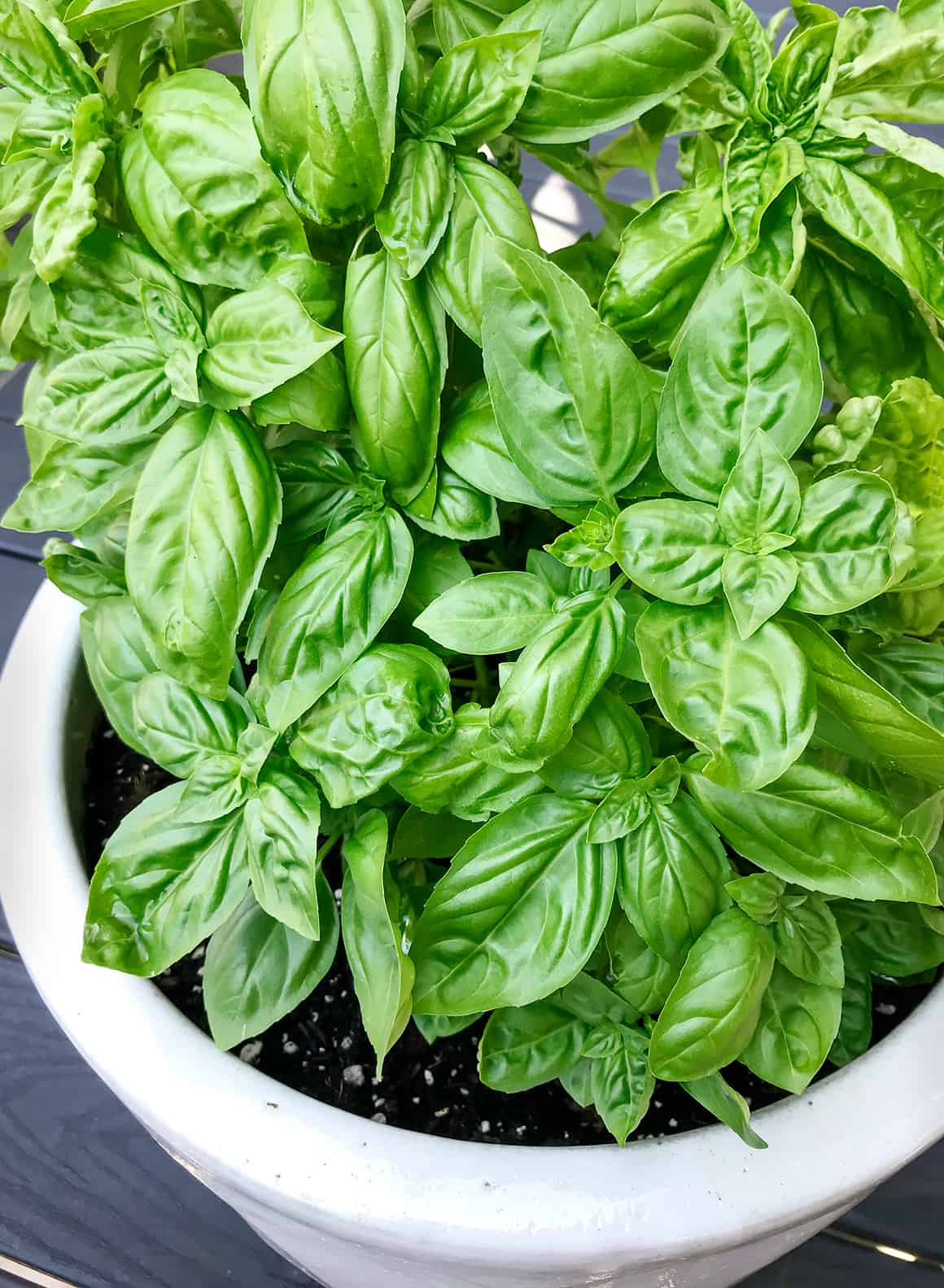
You've lovingly nurtured your basil seedlings, envisioning pesto-filled delights. But instead of lush, vibrant leaves, you're staring at tiny, underwhelming basil growth. What gives? Growing basil can sometimes feel like a delicate dance, and there are several reasons why your basil leaves might not be reaching their full, flavorful potential. Let's dig into the common culprits and how to coax those leaves to grow bigger and bolder.
Why Are My Basil Leaves Not Growing Big? Common Causes
There are several factors that can impact the size of your basil leaves. Understanding these potential issues is the first step to getting your basil plant back on track and achieving the impressive yields you're hoping for. Here's a breakdown of the most frequent reasons why your basil leaves aren't growing big enough:
Insufficient Sunlight
Basil is a sun-loving herb, craving at least 6-8 hours of direct sunlight each day. Without enough sunlight, the plant will struggle to photosynthesize efficiently, which means it won't be able to produce the energy needed for robust growth, including bigger leaves. Think of sunlight as the fuel that powers your basil plant's engine. If the plant doesn't receive sufficient sunlight, it cannot efficiently grow, develop and produce larger leaves.
Solution: Observe your basil plant throughout the day. Is it consistently in direct sunlight? If not, relocate it to a sunnier spot. If you're growing basil indoors, consider supplementing with a grow light. You can find affordable options that provide the necessary spectrum of light for healthy plant growth. If your basil is already in a sunny spot, take note of the time of day when it receives direct sunlight. If it is only for a few hours, look for a way to relocate the plant so it can receive sunlight for at least 6 hours each day.
Poor Soil Quality and Nutrients
Basil thrives in well-draining, fertile soil. If your soil is compacted, nutrient-poor, or overly acidic or alkaline, your basil plant will struggle to absorb the necessary nutrients for healthy growth. Soil acts as the foundation for your plant's health; the better the foundation, the better the plant's development.
Solution: Test your soil's p H level. Basil prefers a slightly acidic to neutral p H (around 6.0-7.5). Amend your soil with compost or other organic matter to improve drainage, aeration, and nutrient content. Consider using a balanced fertilizer specifically formulated for herbs or vegetables. Fertilize regularly, following the instructions on the fertilizer package. Be careful not to over-fertilize, as this can burn the roots. Here's a useful tip: Look for fertilizers that are specifically formulated for herbs and vegetables, as these will contain the right balance of nutrients for optimal basil growth.
For container gardening, a high-quality potting mix is crucial. Don't use garden soil in containers, as it tends to compact and doesn't drain well. A potting mix that contains peat moss, vermiculite, and perlite provides excellent drainage and aeration.
Inadequate Watering
Both overwatering and underwatering can hinder basil growth. Overwatering can lead to root rot, which prevents the plant from absorbing nutrients. Underwatering, on the other hand, can cause the plant to wilt and stunt its growth.
Solution: Water your basil deeply when the top inch of soil feels dry to the touch. Avoid watering directly on the leaves, as this can promote fungal diseases. Ensure your pot has drainage holes to prevent water from pooling. When watering, do so slowly and deeply, allowing the water to soak into the soil. This encourages deep root growth, which helps the plant tolerate periods of drought.
Also, consider the weather conditions when watering. Basil plants grown outdoors may need more frequent watering during hot, dry weather. Conversely, they will need less frequent watering during cool, rainy weather. Also, if you're using an outdoor setup, a quality watering tool makes all the difference. For efficient watering that reaches even the furthest corners of your garden, consider using agarden hose 75 ft with a 10-function nozzle. This reliable watering hose offers a leak-proof metal connector and anti-kink design, making watering easier than ever. Check out this flexible hose for garden at:https://amzn.to/3Yv E0Bo.
Pests and Diseases
Pests like aphids, spider mites, and whiteflies can suck the sap from basil leaves, weakening the plant and stunting its growth. Fungal diseases like downy mildew and fusarium wilt can also damage leaves and stems, hindering overall development.
Solution: Regularly inspect your basil plant for signs of pests or diseases. Treat infestations promptly with insecticidal soap or neem oil. Ensure good air circulation around the plant to prevent fungal diseases. Remove any infected leaves or stems immediately. Companion planting can also help deter pests. For example, planting marigolds near your basil can help repel aphids.
Also consider natural predators that can help keep pests under control. Ladybugs, for example, are voracious eaters of aphids. You can purchase ladybugs online or at your local garden center.
Lack of Pruning and Harvesting
Regular pruning and harvesting are essential for promoting bushy growth and larger leaves. When you pinch off the top leaves, you encourage the plant to branch out and produce more leaves. Allowing the plant to flower can also divert energy away from leaf production, resulting in smaller leaves.
Solution: Pinch off the top sets of leaves regularly, especially when the plant is young. Remove any flower buds as soon as they appear. Harvest your basil frequently, even if you don't need it, to encourage continued growth. When harvesting, cut the stem just above a set of leaves. This will encourage the plant to branch out and produce more leaves.
Proper pruning not only promotes larger leaves but also helps to prevent the plant from becoming leggy. Leggy plants tend to have fewer leaves and are more susceptible to pests and diseases.
Specific Basil Varieties and Their Growth Habits
It's also important to consider the specific variety of basil you're growing. Some varieties naturally produce smaller leaves than others. For example, Thai basil and lemon basil tend to have smaller leaves compared to Genovese basil, which is known for its large, fragrant leaves. Knowing the variety can help you set realistic expectations for leaf size.
Comparing Basil Varieties
Here's a quick overview of some popular basil varieties and their typical leaf sizes:
- Genovese Basil: Large, classic basil leaves perfect for pesto.
- Thai Basil: Smaller, spicier leaves with a licorice aroma.
- Lemon Basil: Smaller leaves with a distinct lemon scent and flavor.
- Purple Basil: Medium-sized leaves with a beautiful purple color and a slightly different flavor profile.
- Globe Basil: Compact growth habit with small, tightly packed leaves.
Understanding the inherent growth habits of each variety can help you tailor your care routine to maximize leaf size within the plant's natural potential. For instance, focusing on nutrient-rich soil for Genovese basil will encourage its naturally larger leaves, while the same approach might not drastically alter the size of Thai basil leaves.
Troubleshooting: A Step-by-Step Approach for Bigger Basil Leaves
If you're still struggling to achieve big basil leaves, here's a step-by-step approach to troubleshoot the issue:
- Assess Sunlight: Ensure your basil plant is receiving at least 6-8 hours of direct sunlight daily.
- Check Soil Quality: Test your soil's p H and amend it with compost or other organic matter.
- Evaluate Watering Practices: Water deeply when the top inch of soil feels dry, avoiding overwatering.
- Inspect for Pests and Diseases: Look for signs of pests or diseases and treat promptly.
- Prune Regularly: Pinch off the top leaves and remove flower buds to encourage branching and leaf production.
- Fertilize Appropriately: Use a balanced fertilizer formulated for herbs or vegetables.
By systematically addressing each of these potential issues, you can identify the root cause of your small basil leaves and take corrective action.
Conclusion: Growing Big, Flavorful Basil Leaves
Growing large, flavorful basil leaves requires attention to detail and a bit of patience. By providing your basil plant with the right conditions – ample sunlight, fertile soil, proper watering, and regular pruning – you can coax it to produce the abundant, aromatic leaves you've always dreamed of. Don't be discouraged if you don't see results immediately. Keep experimenting and adjusting your approach until you find what works best for your particular environment and basil variety. With a little love and care, you'll be harvesting basketfuls of delicious basil leaves in no time!