Picture this: you’re making a delicious pesto, but you're out of fresh basil! A quick trip to the grocery store solves the problem, but what if you could extend the life of that store-bought basil and create an endless supply? The good news is, with a little know-how, you absolutely can! Growing Basil From Store-Bought: A Complete Guide So, can you really grow basil from store bought bunches? Absolutely! It's a fantastic way to save money, reduce waste, and enjoy fresh basil whenever you need it. However, the success of growing basil from store bought depends on a few key factors. This article will walk you through the entire process, from selecting the right basil to harvesting your homegrown leaves. We'll cover everything you need to know to successfully propagate basil from your grocery store haul. Selecting the Right Store-Bought Basil for Propagation Not all store-bought basil is created equal when it comes to propagation. To increase your ...
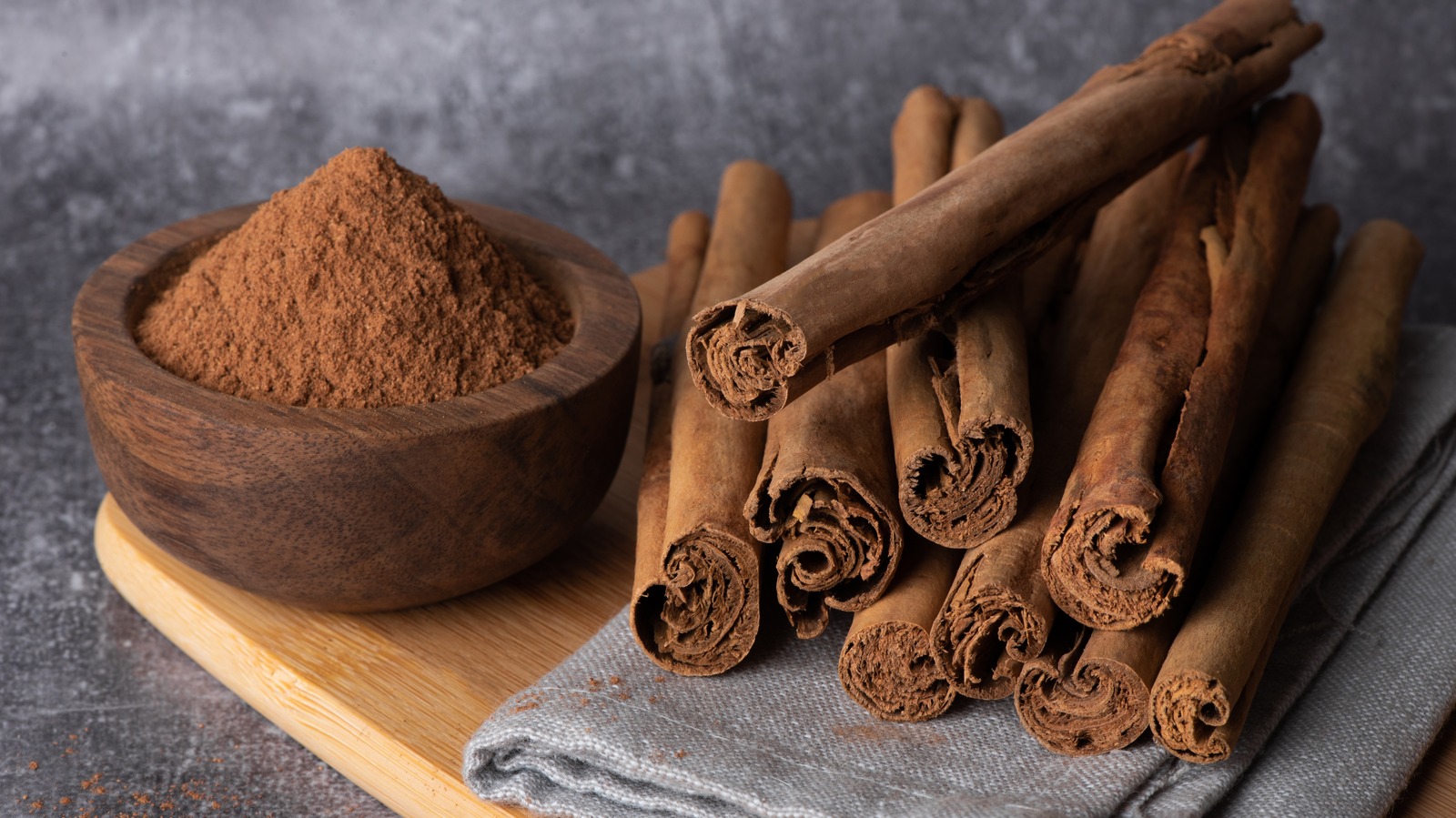
Have you ever brushed against a plant in your garden and been stopped in your tracks by an unexpected, delightful scent? That's the magic of Cinnamon Basil! This fragrant herb is more than just a pretty addition to your garden; it's a culinary delight, offering a unique flavor profile that perfectly complements both sweet and savory dishes. But like any plant, understanding its ideal growing conditions is key to unlocking its full potential. Let's dive into the world of Cinnamon Basil growing conditions and learn how to cultivate this wonderful herb successfully!
Understanding Cinnamon Basil
Before we delve into the nitty-gritty of growing conditions, let's get acquainted with our subject. Cinnamon Basil (Ocimum basilicum 'Cinnamon') is a cultivar of sweet basil, celebrated for its distinctive cinnamon-like aroma and flavor, which comes from the presence of cinnamaldehyde, the same compound that gives cinnamon its characteristic scent. Its leaves are often tinged with a reddish-purple hue, adding visual appeal to any garden. It typically grows to a height of 18-24 inches and produces pretty pink or purple flowers.
Ideal Cinnamon Basil Growing Conditions: A Comprehensive Guide
Successfully growing Cinnamon Basil involves creating an environment that closely mimics its native tropical climate. This means paying attention to sunlight, soil, watering, temperature, and other factors. Let’s explore each of these elements in detail:
Sunlight: The Foundation of Growth
Sunlight is absolutely crucial for Cinnamon Basil. This herb thrives infull sun, which means it needs at least 6-8 hours of direct sunlight each day. Insufficient sunlight can lead to leggy growth, reduced flavor intensity, and overall poor plant health. If you are growing your Cinnamon Basil indoors, place it near a south-facing window where it can receive ample sunlight. If that's not an option, consider supplementing with grow lights.
Key Points about Sunlight:
- Needs at least 6-8 hours of direct sunlight daily.
- Insufficient sunlight results in weak, leggy growth.
- Use grow lights for indoor plants if natural light is limited.
Soil: The Right Foundation
Cinnamon Basil prefers well-draining soil that is rich in organic matter. This type of soil provides the nutrients the plant needs to thrive and prevents waterlogging, which can lead to root rot. The ideal soil p H for Cinnamon Basil is between 6.0 and
7.5, which is slightly acidic to neutral. You can amend your soil with compost, aged manure, or other organic materials to improve its fertility and drainage.
Tips for Optimal Soil:
- Use well-draining soil to prevent waterlogging.
- Incorporate organic matter like compost or aged manure.
- Maintain a soil p H between 6.0 and
7.5.
Watering: Finding the Right Balance
Consistent watering is essential for healthy Cinnamon Basil growth. The goal is to keep the soil consistently moist but not waterlogged. Water deeply when the top inch of soil feels dry to the touch. Avoid overhead watering, as this can promote fungal diseases. Instead, water at the base of the plant. During hot, dry weather, you may need to water more frequently. Consider using a watering can or a soaker hose to deliver water directly to the roots.
Having a dependable watering setup is key for consistent moisture. We recently got a75 FT Garden Hose with a 10-Function Nozzle, and it has made watering the garden so much easier. The leak-proof metal connectors and kink-free design are a huge plus, ensuring a hassle-free watering experience. The 10-function nozzle provides versatility for different watering needs, making it perfect for any garden. If you’re looking for a reliable garden hose, check out this great option:https://amzn.to/3Yv E0Bo.
Watering Best Practices:
- Water deeply when the top inch of soil feels dry.
- Avoid overhead watering to prevent fungal diseases.
- Water at the base of the plant.
- Adjust watering frequency based on weather conditions.
Temperature: Creating a Comfortable Environment
Cinnamon Basil is a warm-weather herb that thrives in temperatures between 65°F and 85°F (18°C and 29°C). It is sensitive to frost and will be damaged or killed by freezing temperatures. If you live in an area with cool summers, consider growing your Cinnamon Basil in containers so you can easily move them indoors if temperatures drop. Even a light frost can damage the leaves, so it's best to err on the side of caution.
Temperature Considerations:
- Optimal temperature range: 65°F to 85°F (18°C to 29°C).
- Sensitive to frost; protect plants from freezing temperatures.
- Grow in containers for easy relocation in cool climates.
Fertilizing: Providing Essential Nutrients
While Cinnamon Basil doesn't require heavy feeding, providing it with a balanced fertilizer can promote healthy growth and abundant foliage. Use a fertilizer that is specifically formulated for herbs, or a general-purpose fertilizer diluted to half strength. Apply the fertilizer every 2-4 weeks during the growing season. Avoid over-fertilizing, as this can lead to excessive foliage growth at the expense of flavor. Organic options like compost tea or fish emulsion are also excellent choices.
Fertilizing Tips:
- Use a balanced fertilizer formulated for herbs.
- Apply fertilizer every 2-4 weeks during the growing season.
- Avoid over-fertilizing to maintain flavor intensity.
- Consider organic fertilizers like compost tea or fish emulsion.
Pruning and Harvesting: Encouraging Bushier Growth
Regular pruning is essential for maintaining a healthy and productive Cinnamon Basil plant. Pinch off the flower buds as soon as they appear to encourage the plant to produce more leaves. This will also help to prevent the plant from going to seed, which can diminish the flavor of the leaves. When harvesting, cut the stems just above a leaf node. This will encourage the plant to branch out and become bushier.
Pruning and Harvesting Guidelines:
- Pinch off flower buds to encourage leaf production.
- Harvest stems just above a leaf node to promote branching.
- Regular pruning leads to a bushier, more productive plant.
Troubleshooting Common Issues: Pests and Diseases
Like all plants, Cinnamon Basil is susceptible to certain pests and diseases. Being proactive in addressing these issues can help ensure a healthy and productive harvest.
Pests
Common pests that can affect Cinnamon Basil include aphids, spider mites, and whiteflies. These pests can suck the sap from the leaves, causing them to yellow, curl, and eventually die. You can control these pests by spraying the plant with insecticidal soap or neem oil. Regularly inspect your plants for signs of infestation.
Diseases
Fungal diseases such as powdery mildew and downy mildew can also affect Cinnamon Basil. These diseases are most common in humid conditions and can cause white or gray patches to appear on the leaves. To prevent these diseases, ensure good air circulation around your plants and avoid overhead watering. If your plants become infected, treat them with a fungicide.
Cinnamon Basil Growing Conditions: A Summary Table
Here's a handy table summarizing the key Cinnamon Basil growing conditions we've discussed:
| Factor | Ideal Condition |
|---|---|
| Sunlight | Full sun (6-8 hours per day) |
| Soil | Well-draining, rich in organic matter |
| p H | 6.0-7.5 |
| Watering | Consistently moist, but not waterlogged |
| Temperature | 65°F to 85°F (18°C to 29°C) |
| Fertilizing | Balanced fertilizer every 2-4 weeks during growing season |
| Pruning | Regularly pinch off flower buds and harvest stems |
Conclusion: Enjoy the Bounty of Your Cinnamon Basil
By understanding and providing the right growing conditions, you can successfully cultivate Cinnamon Basil in your garden and enjoy its unique flavor and aroma. From ensuring ample sunlight to providing well-draining soil and consistent watering, each aspect plays a crucial role in the plant's overall health and productivity. So, roll up your sleeves, get your hands dirty, and embark on the rewarding journey of growing your own Cinnamon Basil!