Picture this: you’re making a delicious pesto, but you're out of fresh basil! A quick trip to the grocery store solves the problem, but what if you could extend the life of that store-bought basil and create an endless supply? The good news is, with a little know-how, you absolutely can! Growing Basil From Store-Bought: A Complete Guide So, can you really grow basil from store bought bunches? Absolutely! It's a fantastic way to save money, reduce waste, and enjoy fresh basil whenever you need it. However, the success of growing basil from store bought depends on a few key factors. This article will walk you through the entire process, from selecting the right basil to harvesting your homegrown leaves. We'll cover everything you need to know to successfully propagate basil from your grocery store haul. Selecting the Right Store-Bought Basil for Propagation Not all store-bought basil is created equal when it comes to propagation. To increase your ...
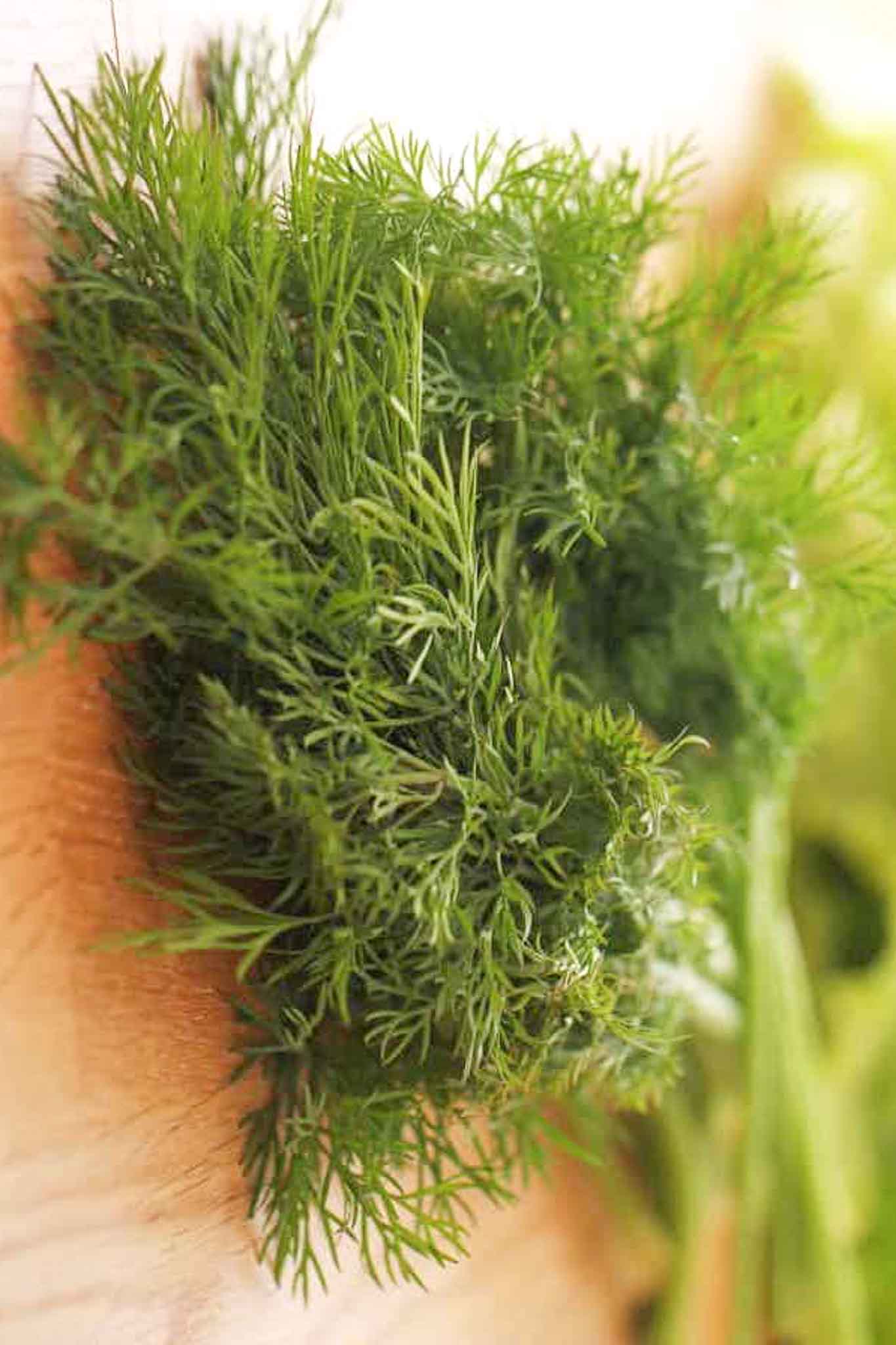
Ah, the age-old question for the home gardener: Can these two aromatic herbs, dill and basil, coexist in a harmonious garden bed? Or will they wage a silent war for resources, leaving you with less-than-stellar harvests? Let’s dive into the fascinating world of companion planting and find out if these culinary favorites can be friends or foes.
Dill and Basil: Understanding Companion Planting
Companion planting, at its core, is the art and science of strategically placing different plants together to benefit each other. These benefits can range from deterring pests and attracting beneficial insects to improving soil health and maximizing space. Understanding the needs and characteristics of each plant is crucial for successful companion planting.
Does Dill Grow Well With Basil? The Short Answer
The short answer? It's complicated. While there isn't a definitive "yes" or "no" answer, the general consensus is thatdill and basil can coexist, but it requires careful consideration and planning. The key is understanding their individual needs and potential interactions.
Potential Benefits of Planting Dill and Basil Together
Although careful planning is needed, growing dill and basil together presents some advantages:
- Pest Deterrence: Dill attracts beneficial insects like ladybugs and lacewings, which prey on aphids and other pests that can harm basil. Basil, in turn, is thought to repel certain pests, such as whiteflies and tomato hornworms, which can sometimes affect dill.
- Pollination: Dill flowers attract pollinators like bees and butterflies, which can benefit basil and other plants in your garden.
- Space Efficiency: If managed properly, dill and basil can be grown in the same garden space, maximizing your yield and productivity.
The Challenges of Combining Dill and Basil
Despite the potential benefits, there are some challenges to consider when planting dill and basil together:
- Nutrient Competition: Both dill and basil require similar nutrients from the soil. If planted too closely together, they may compete for these resources, leading to stunted growth and reduced yields.
- Sunlight: Basil thrives in full sun, while dill can tolerate partial shade. If dill is planted too close to basil, it may shade the basil, hindering its growth. Conversely, if basil becomes too large, it can shade the dill, causing it to become leggy and less productive.
- Watering Needs: While both plants enjoy consistently moist soil, basil is more sensitive to overwatering than dill. Keeping the soil consistently moist can be a challenge.
- Allelopathy: Allelopathy is a biological phenomenon where one plant releases biochemicals that influence the growth, survival, and reproduction of other plants. There is limited scientific research suggesting a direct allelopathic effect between dill and basil. The bigger concern is resource competition.
Tips for Successfully Growing Dill with Basil
If you're determined to try growing dill and basil together, here are some tips to maximize your chances of success:
- Spacing: Give both plants plenty of space to grow. Aim for at least 12-18 inches between dill and basil plants.
- Sunlight: Plant basil in a location that receives at least 6-8 hours of direct sunlight per day. Dill can tolerate some shade, so it can be planted slightly to the east or west of the basil to provide some afternoon shade without completely blocking the sun.
- Soil: Ensure the soil is well-draining and rich in organic matter. Amend the soil with compost or aged manure before planting.
- Watering: Water deeply and regularly, but avoid overwatering. Check the soil moisture before watering to ensure it's not soggy. Basil is more sensitive to overwatering.
- Fertilizing: Fertilize both dill and basil with a balanced organic fertilizer every few weeks.
- Pruning: Regularly prune both dill and basil to encourage bushier growth and prevent them from becoming leggy. Snip off flower heads from basil to encourage leaf production. Prune dill regularly to prevent it from bolting (going to seed).
- Monitor for Pests: Regularly inspect both plants for pests and diseases. Take action promptly if you notice any problems.
Case Study: Dill and Basil Companion Planting Experiment
Consider this hypothetical case study: A gardener in Zone 7 planted dill and basil close together in a raised bed. Initially, both plants grew well. However, as the season progressed, the basil started to shade the dill, causing it to become leggy and produce fewer leaves. The gardener then transplanted the dill to a sunnier location, and it quickly recovered, producing a bountiful harvest. This demonstrates the importance of monitoring your plants and adjusting their environment as needed.
Alternative Companion Plants for Dill and Basil
If you're still hesitant about planting dill and basil together, here are some alternative companion plants to consider:
- Dill: Cabbage, broccoli, cauliflower, cucumbers, lettuce, onions.
- Basil: Tomatoes, peppers, eggplant, oregano, marigolds.
Speaking of successful gardening, having the right tools can make all the difference. If you're looking for a reliable and versatile option for watering your garden, you might want to consider a garden hose that is 75 FT with a 10-Function Nozzle. This leak-proof metal connector water hose is designed to be kink-free and wear-resistant, making it ideal for watering your garden, yard, or outdoor spaces. You can find this practical tool here: https://amzn.to/3Yv E0Bo.
Conclusion: Is Growing Dill With Basil a Good Idea?
In conclusion, growing dill and basil together is possible, but it requires careful planning and attention. Weigh the potential benefits and challenges, and be prepared to adjust your strategy as needed. With a little effort, you can create a thriving garden where these two flavorful herbs coexist in harmony. Happy gardening!