Picture this: you’re making a delicious pesto, but you're out of fresh basil! A quick trip to the grocery store solves the problem, but what if you could extend the life of that store-bought basil and create an endless supply? The good news is, with a little know-how, you absolutely can! Growing Basil From Store-Bought: A Complete Guide So, can you really grow basil from store bought bunches? Absolutely! It's a fantastic way to save money, reduce waste, and enjoy fresh basil whenever you need it. However, the success of growing basil from store bought depends on a few key factors. This article will walk you through the entire process, from selecting the right basil to harvesting your homegrown leaves. We'll cover everything you need to know to successfully propagate basil from your grocery store haul. Selecting the Right Store-Bought Basil for Propagation Not all store-bought basil is created equal when it comes to propagation. To increase your ...
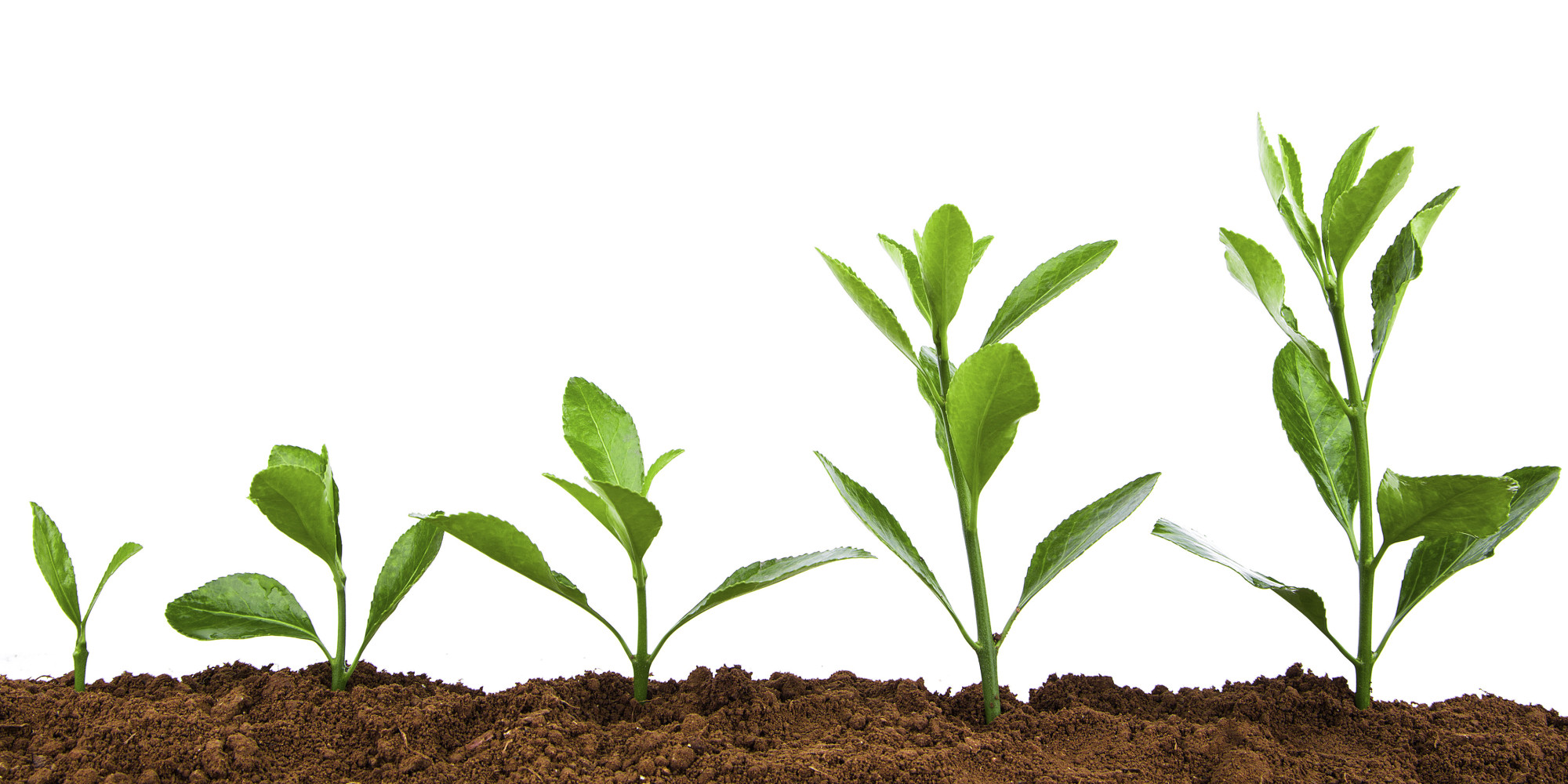
That sweet, aromatic scent of basil – nothing quite says summer like it. And imagine having that fresh basil right outside your back door, ready to add to your favorite dishes. Well, if you're in Southeast Texas (SETX), growing your own basil is absolutely achievable! It just takes a little understanding of our unique climate and some smart gardening practices. Let's dive in and discover how you can cultivate your own thriving basil patch in SETX.
Growing Basil in Southeast Texas: A Comprehensive Guide
Understanding the SETX Climate for Basil Growth
Southeast Texas presents a unique set of challenges and opportunities for gardeners. Our climate is characterized by hot, humid summers and relatively mild winters. This subtropical environment impacts basil growth in several ways. Theheat can stress basil plants, leading to bolting (premature flowering) and a decline in leaf quality. Thehumidity creates a breeding ground for fungal diseases. And our unpredictable rainfall patterns can make it difficult to maintain consistent soil moisture. But don't be discouraged! With the right techniques, you can successfully grow basil in SETX.
The Importance of Sunlight
Basil thrives infull sun, requiring at least 6-8 hours of direct sunlight per day. In SETX, the intensity of the summer sun can be a bit much for young basil plants. Consider providing some afternoon shade during the hottest part of the day. This can be achieved using shade cloth, planting basil near taller plants that offer protection, or growing them in pots that can be moved to a shadier location. Without adequate sunlight, your basil plants will become leggy and produce fewer leaves.
Soil Considerations for Basil in SETX
Well-draining soil is crucial for basil. Our heavy clay soils in SETX can be a major problem, as they tend to retain too much moisture, leading to root rot. Amend your soil with plenty of organic matter, such as compost, aged manure, or peat moss. This will improve drainage, aeration, and nutrient content. Aim for a soil p H between 6.0 and
7.5. You can test your soil p H using a home testing kit or by sending a sample to your local agricultural extension office. Raised beds are also an excellent option for growing basil in SETX, as they provide better drainage and allow you to control the soil composition.
Watering Your Basil Plants in Southeast Texas
Consistent moisture is essential for healthy basil growth. However, overwatering can be just as detrimental as underwatering, especially in our humid climate. Water deeply and infrequently, allowing the soil to dry out slightly between waterings. Avoid overhead watering, as this can promote fungal diseases. Instead, water at the base of the plant using a soaker hose or drip irrigation system. The frequency of watering will depend on the weather conditions and the type of soil. During hot, dry periods, you may need to water daily. In cooler, wetter weather, you may only need to water every few days. Consider investing in a good quality water hose, like a75 FT Garden Hose with a 10-Function Nozzle, to make watering easier. This hose from Amazon boasts leak-proof metal connectors, a kink-free design, and is lightweight and durable: https://amzn.to/3Yv E0Bo. Such a versatile and reliable watering hosecan truly simplify garden chores. Mulching around your basil plants with organic materials like straw or wood chips can help retain moisture and suppress weeds.
Choosing the Right Basil Varieties for Southeast Texas
Not all basil varieties are created equal when it comes to tolerating the heat and humidity of SETX. Some varieties are more resistant to bolting and disease. Here are a few recommended basil varieties for our region:
- Genovese Basil: The classic basil variety, known for its sweet, aromatic flavor. Choose a heat-tolerant strain like 'Italian Large Leaf'.
- Thai Basil: Offers a distinct anise-like flavor and holds up well in hot weather.
- Lemon Basil: Adds a citrusy twist to your dishes and is relatively resistant to bolting.
- Purple Basil: Adds color and flavor to your garden and is generally heat-tolerant.
- African Blue Basil: A beautiful and unique basil variety with a strong, camphor-like scent. It is also highly attractive to pollinators.
Planting and Propagating Basil in SETX
Basil can be grown from seed or from cuttings. Starting from seed is a great option if you want to grow a large number of plants or if you are looking for a specific variety. Start seeds indoors 6-8 weeks before the last expected frost. Transplant seedlings outdoors after the danger of frost has passed and the soil has warmed up. Basil can also be easily propagated from cuttings. Simply take a 4-6 inch cutting from a healthy basil plant, remove the lower leaves, and place it in a glass of water. Roots will typically develop within a week or two. Once the roots are a few inches long, you can transplant the cutting into a pot or directly into the garden. When planting basil in the garden, space plants 12-18 inches apart to allow for adequate air circulation.
When to Plant Basil in Southeast Texas
The best time to plant basil in SETX is in thespring, after the last frost. This typically occurs in late March or early April. You can also plant basil in the fall, from late August to early September, for a fall harvest. Avoid planting basil during the hottest part of the summer, as the extreme heat can stress the plants and inhibit growth.
Caring for Your Basil Plants in SETX
Proper care is essential for maximizing your basil harvest and preventing problems. Here are some key tips for caring for your basil plants in SETX:
- Pinch off flower buds: As soon as you see flower buds forming, pinch them off. This will encourage the plant to produce more leaves and delay bolting.
- Fertilize regularly: Basil is a heavy feeder and benefits from regular fertilization. Use a balanced fertilizer or a fertilizer specifically formulated for herbs. Apply fertilizer according to the package directions.
- Monitor for pests and diseases: Keep an eye out for common basil pests, such as aphids, spider mites, and Japanese beetles. Treat infestations promptly with insecticidal soap or neem oil. Fungal diseases, such as downy mildew and fusarium wilt, can be a problem in humid climates. Prevent these diseases by providing good air circulation, avoiding overhead watering, and using disease-resistant varieties.
- Harvest regularly: Harvesting basil encourages the plant to produce more leaves. Harvest leaves frequently, starting when the plant is about 6 inches tall. Pinch or cut off the top leaves, leaving at least four leaves on the stem.
Harvesting and Using Your Fresh SETX Basil
The best time to harvest basil is in the morning, after the dew has dried but before the sun gets too hot. This is when the leaves are at their most flavorful. To harvest, simply pinch or cut off the top leaves, leaving at least four leaves on the stem. Use your fresh basil in a variety of dishes, such as pesto, pasta sauces, salads, and soups. Basil can also be dried or frozen for later use.
Preserving Your Basil Harvest
If you have a bumper crop of basil, you'll want to preserve some for later use. Here are a few options:
- Drying: Hang basil sprigs upside down in a cool, dry place until they are completely dry. Crumble the dried leaves and store them in an airtight container.
- Freezing: Chop fresh basil leaves and freeze them in ice cube trays with water or olive oil. Once frozen, transfer the cubes to a freezer bag.
- Making Pesto: Pesto is a delicious way to preserve basil and can be frozen for later use.
- Infusing Oil or Vinegar: Add fresh basil leaves to olive oil or vinegar to create a flavorful infusion.
Growing basil in Southeast Texas might present a few hurdles, but with the correct strategy and some tender loving care, you can enjoy fresh, aromatic basil right from your own garden. Remember to choose the right varieties, provide adequate sunlight and drainage, water properly, and protect your plants from pests and diseases. Happy gardening!