Picture this: you’re making a delicious pesto, but you're out of fresh basil! A quick trip to the grocery store solves the problem, but what if you could extend the life of that store-bought basil and create an endless supply? The good news is, with a little know-how, you absolutely can! Growing Basil From Store-Bought: A Complete Guide So, can you really grow basil from store bought bunches? Absolutely! It's a fantastic way to save money, reduce waste, and enjoy fresh basil whenever you need it. However, the success of growing basil from store bought depends on a few key factors. This article will walk you through the entire process, from selecting the right basil to harvesting your homegrown leaves. We'll cover everything you need to know to successfully propagate basil from your grocery store haul. Selecting the Right Store-Bought Basil for Propagation Not all store-bought basil is created equal when it comes to propagation. To increase your ...
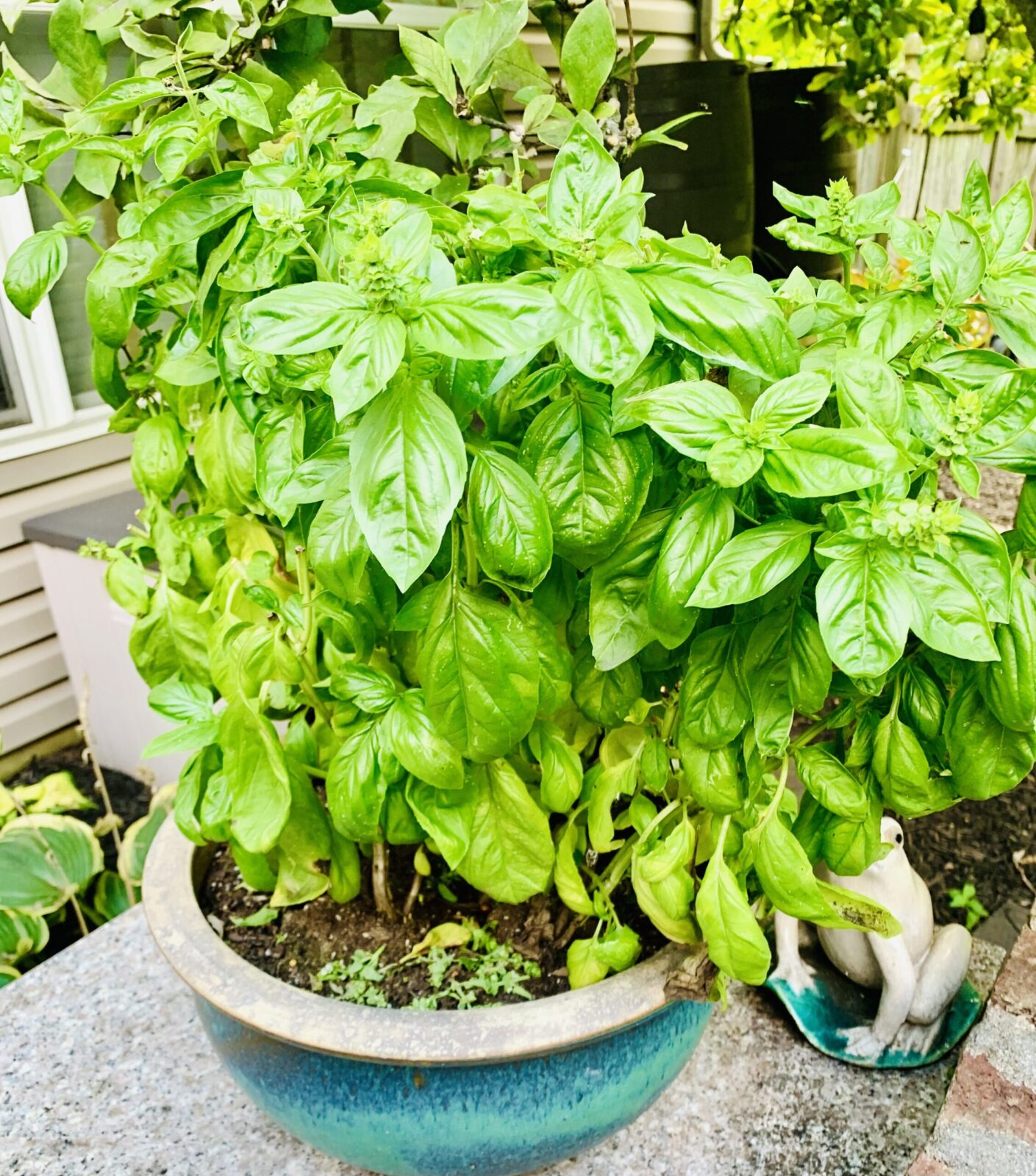
Basil, with its fragrant leaves and culinary versatility, is a favorite herb for home gardeners. But before you rush out to plant your seedlings, there's a crucial factor to consider: the size of the pot. Getting the pot size right can be the difference between a thriving, bountiful basil plant and a stunted, unhappy one. Let's dive into the specifics of what pot size is best to grow your basil.
Choosing the Right Pot Size to Grow Basil Plants
The size of the pot you choose for your basil plants significantly impacts their growth, health, and overall yield. Basil, like all plants, needs adequate space for its roots to spread and access essential nutrients and water. A pot that's too small will restrict root growth, leading to a stressed and undernourished plant. Conversely, a pot that's too large can lead to waterlogged soil, increasing the risk of root rot.
So, how do you find that sweet spot? As a general rule of thumb, aim for a pot that is at least12 inches in diameter and 12 inches deep for a single basil plant. This provides sufficient space for the roots to develop and allows for good drainage. For multiple basil plants, choose a larger container, such as a trough or rectangular planter, ensuring each plant has at least 6-8 inches of space around it.
Why Pot Size Matters for Basil Growth
Understanding the specific reasons why pot size is crucial can help you make informed decisions about your basil plants' needs. Here's a breakdown:
- Root Development: Basil roots need room to expand. A cramped pot restricts root growth, hindering the plant's ability to absorb water and nutrients.
- Nutrient Availability: Larger pots hold more soil, which translates to more nutrients available for the plant. This is especially important for basil, which is a relatively heavy feeder.
- Water Retention and Drainage: The right pot size ensures the soil retains enough moisture without becoming waterlogged. Poor drainage can lead to root rot, a common problem in basil plants.
- Stability: A larger pot provides greater stability, preventing the plant from tipping over in windy conditions.
When you get your basil pot size right, your basil is more likely to produce you lots of beautiful leaves. And since it's a heavier feeder plant, the right pot size can also make you avoid fertilizing often!
Ideal Pot Size for Different Basil Varieties
While the 12-inch rule is a good starting point, the ideal pot size can vary slightly depending on the specific basil variety you're growing. Here’s a quick guide:
- Sweet Basil (Genovese): This is the most common type of basil and thrives in pots that are at least 12 inches in diameter.
- Thai Basil: Thai basil tends to grow slightly smaller than sweet basil, so a 10-inch pot may suffice for a single plant.
- Lemon Basil: Similar to sweet basil, lemon basil benefits from a 12-inch pot.
- Dwarf Basil: As the name suggests, dwarf basil varieties are smaller and can be grown in pots as small as 6-8 inches in diameter.
Consider the mature size of your chosen basil variety when selecting a pot. Researching the specific needs of your basil type will help you provide the optimal growing conditions.
Choosing the Right Material and Drainage for Your Basil Pot
The material and drainage of your pot are just as important as the size. Here are some factors to consider:
- Material: Pots can be made from various materials, including terracotta, plastic, ceramic, and metal. Terracotta pots are porous, allowing for good airflow and drainage, but they can dry out quickly. Plastic pots are lightweight and retain moisture well, but they can overheat in direct sunlight. Ceramic pots offer a good balance of both. Metal pots can also over heat and may not be the best choice.
- Drainage: Regardless of the material, ensure your pot has adequate drainage holes. Poor drainage leads to waterlogged soil and root rot. If your pot doesn't have drainage holes, you can drill some yourself or add a layer of gravel at the bottom to improve drainage.
For the best results, choose a pot that is made from a breathable material and has plenty of drainage holes. This will help to prevent root rot and ensure that your basil plant gets the water and nutrients it needs.
Tips for Growing Basil in Pots for Best Growth
Once you've chosen the right pot size, material, and drainage, here are some additional tips to ensure your basil thrives in its new home:
- Soil: Use a well-draining potting mix that is rich in organic matter. Avoid using garden soil, as it can compact and hinder drainage.
- Sunlight: Basil needs at least 6-8 hours of sunlight per day. Place your pot in a sunny location, such as a south-facing window or a sunny patio.
- Watering: Water your basil regularly, keeping the soil consistently moist but not waterlogged. Check the soil moisture by sticking your finger into the top inch of soil. If it feels dry, it's time to water.
- Fertilizing: Basil is a heavy feeder and benefits from regular fertilization. Use a balanced liquid fertilizer every 2-4 weeks.
- Pruning: Prune your basil regularly to encourage bushier growth and prevent it from flowering too early. Pinch off the top sets of leaves to promote side branching.
Troubleshooting Common Basil Pot Growing Problems
Even with the best care, you may encounter some common problems when growing basil in pots. Here are some troubleshooting tips:
- Yellowing Leaves: This can be caused by overwatering, underwatering, or nutrient deficiencies. Adjust your watering schedule and fertilize as needed.
- Brown Spots: Brown spots on the leaves can be a sign of fungal disease. Improve air circulation and avoid overhead watering.
- Pests: Basil can be susceptible to pests such as aphids and spider mites. Inspect your plants regularly and treat any infestations promptly.
By addressing these issues promptly, you can keep your basil plants healthy and productive.
Growing basil in pots is a rewarding experience. With the right pot size and care, you can enjoy a continuous supply of fresh, fragrant basil leaves throughout the growing season. Don’t forget that proper watering is also key. To make watering easier, consider investing in a versatilegarden watering hose with multiple functions, like the one available on Amazon. This 75 FT Garden Watering Hosewith its 10-Function Nozzleis designed with leak-proof metal connectors and is kink-free, making your gardening tasks a breeze:https://amzn.to/3Yv E0Bo.