Picture this: you’re making a delicious pesto, but you're out of fresh basil! A quick trip to the grocery store solves the problem, but what if you could extend the life of that store-bought basil and create an endless supply? The good news is, with a little know-how, you absolutely can! Growing Basil From Store-Bought: A Complete Guide So, can you really grow basil from store bought bunches? Absolutely! It's a fantastic way to save money, reduce waste, and enjoy fresh basil whenever you need it. However, the success of growing basil from store bought depends on a few key factors. This article will walk you through the entire process, from selecting the right basil to harvesting your homegrown leaves. We'll cover everything you need to know to successfully propagate basil from your grocery store haul. Selecting the Right Store-Bought Basil for Propagation Not all store-bought basil is created equal when it comes to propagation. To increase your ...
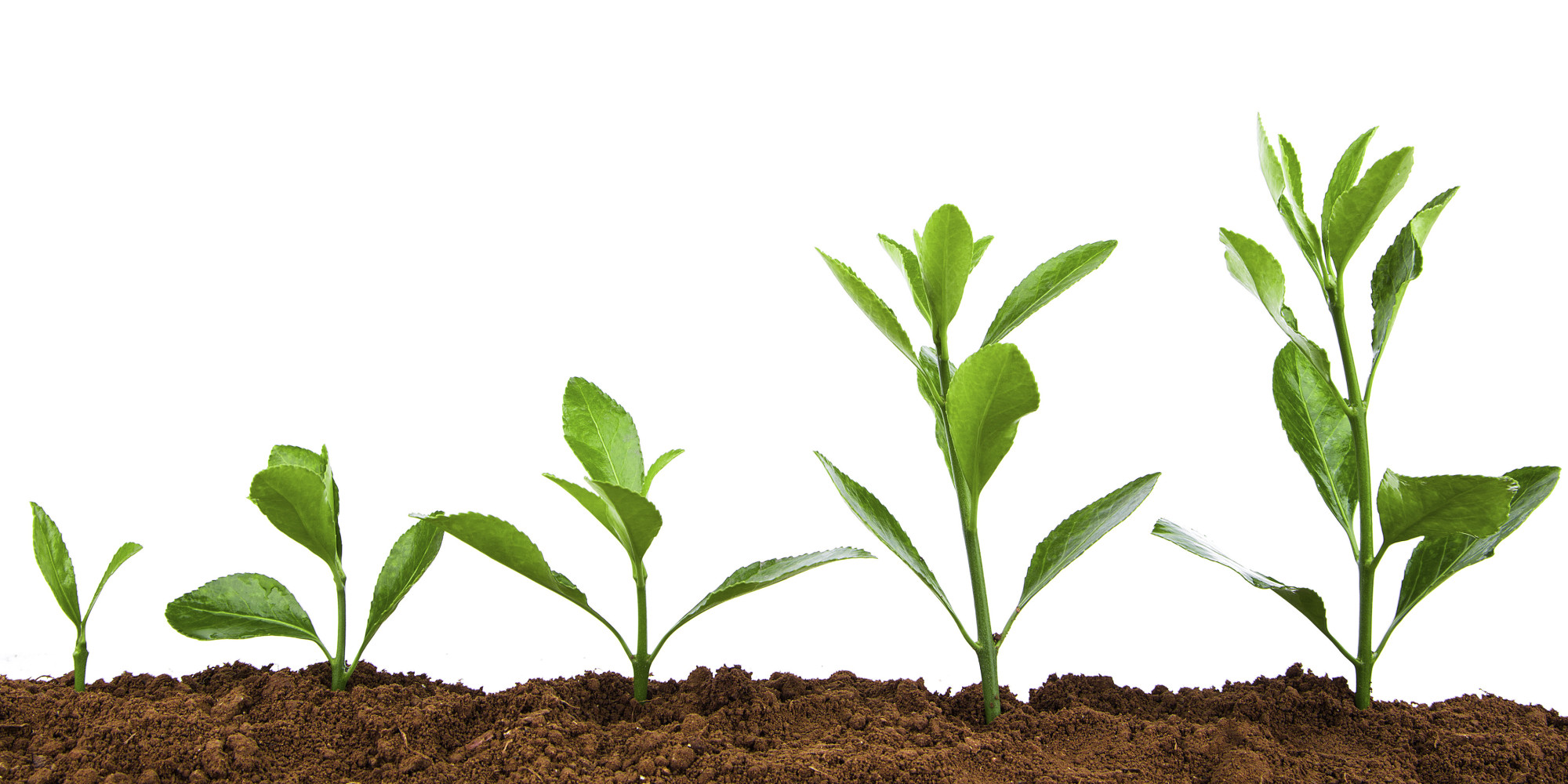
Imagine stepping into your garden, the air thick with a sweet, almost spicy aroma. That's the magic of Holy Basil, also known as Tulsi. More than just a fragrant herb, growing Holy Basil Tulsi can bring a wealth of benefits to your life, from enhancing your well-being to adding a unique flavor to your cooking. Let's explore the joy of cultivating this sacred plant.
The Wonders of Growing Holy Basil Tulsi
Holy Basil, or Tulsi (Ocimum tenuiflorum), is revered in Hinduism as a sacred plant, often found growing in courtyards and temples. But you don't need to be religious to appreciate its numerous benefits. This aromatic herb is prized for its medicinal properties, culinary uses, and ease of cultivation. Growing Holy Basil Tulsi provides you with fresh leaves to make tea, add to salads, or use in traditional Ayurvedic remedies. Plus, its beautiful foliage and fragrant flowers add beauty to any garden.
Why Grow Holy Basil Tulsi? Exploring the Benefits
Growing Holy Basil Tulsi is more than just adding another plant to your garden; it's an investment in your well-being. Here are some compelling reasons to start growing Holy Basil Tulsi:
Medicinal Properties
Tulsi is an adaptogen, which means it helps the body adapt to stress. Studies have shown that Holy Basil can help to reduce anxiety and stress, improve cognitive function, and support the immune system. The plant contains compounds like eugenol, rosmarinic acid, and apigenin, known for their antioxidant and anti-inflammatory properties. Consuming Tulsi tea regularly can be a soothing and health-boosting ritual.
- Stress Reduction: Helps regulate cortisol levels, reducing feelings of anxiety and promoting calmness.
- Immune Support: Boosts the immune system by increasing the activity of immune cells.
- Anti-inflammatory: Compounds in Tulsi help reduce inflammation throughout the body.
- Cognitive Enhancement: May improve memory and cognitive function.
A study published in the Journal of Ayurveda and Integrative Medicinefound that Tulsi significantly reduced anxiety symptoms in participants after a 6-week intervention. This illustrates the practical benefits of growing Holy Basil Tulsi and incorporating it into your daily routine.
Culinary Uses
While not a traditional basil substitute in pesto (its flavor is more complex and peppery), Holy Basil adds a unique twist to many dishes. You can use it fresh or dried in soups, stir-fries, salads, and herbal teas. The flavor profile is distinctly different from sweet basil, offering a more assertive and slightly spicy taste that complements a variety of cuisines. Experiment with adding finely chopped Holy Basil to your favorite recipes to discover new and exciting flavors. When harvesting, remember that the leaves are most flavorful just before the plant flowers.
Easy to Grow
One of the best things about growing Holy Basil Tulsi is how easy it is to cultivate. It thrives in warm climates and requires minimal care once established. Whether you're a seasoned gardener or a complete beginner, you can successfully grow Holy Basil Tulsi in your garden or even in a pot on your balcony. A well-draining soil and plenty of sunlight are the key to a thriving plant. You can even propagate new plants from cuttings, making it easy to expand your Tulsi collection.
Spiritual Significance
In Hinduism, Tulsi is considered a sacred plant, representing purity and devotion. Growing Holy Basil Tulsi is believed to bring blessings, protection, and positive energy to your home. Many Hindu households have a Tulsi plant in their courtyard, where it is worshipped daily. Even if you don't subscribe to these beliefs, you can still appreciate the plant's cultural significance and the sense of peace it brings to the garden.
How to Grow Holy Basil Tulsi: A Step-by-Step Guide
Ready to start growing Holy Basil Tulsi? Here's a comprehensive guide to help you succeed:
Choosing the Right Variety
There are several varieties of Holy Basil, each with slightly different characteristics. The most common types include:
- Rama Tulsi (Ocimum sanctum): The most common variety, known for its green leaves and strong aroma.
- Krishna Tulsi (Ocimum tenuiflorum): Characterized by its purple leaves and a more peppery flavor.
- Vana Tulsi (Ocimum gratissimum): A wild variety with hairy leaves and a lemony scent.
Choose the variety that best suits your preferences and growing conditions. Rama Tulsi is generally the easiest to find and grow, making it a great choice for beginners.
Starting from Seed vs. Seedling
You can start growing Holy Basil Tulsi from seed or purchase seedlings from a nursery. Starting from seed gives you more control over the growing process, but it requires more time and attention. Seedlings, on the other hand, offer a head start and are generally easier to care for.
Starting from Seed:
- Sow seeds indoors 6-8 weeks before the last expected frost.
- Use a seed-starting mix and keep the soil consistently moist.
- Provide plenty of light, either from a sunny window or a grow light.
- Transplant seedlings outdoors after the danger of frost has passed, spacing them 12-18 inches apart.
Starting from Seedling:
- Choose healthy seedlings with vibrant green leaves.
- Prepare the planting site with well-draining soil.
- Plant seedlings at the same depth they were in the nursery pot.
- Water thoroughly after planting.
Soil and Sunlight Requirements
Holy Basil thrives in well-draining soil with a p H of 6.0 to
7.5. Amend heavy clay soils with compost or other organic matter to improve drainage. This plant loves sunlight and requires at least 6 hours of direct sunlight per day. Choose a location in your garden that receives plenty of sun throughout the day. If growing in a pot, ensure the pot has drainage holes to prevent waterlogging.
Watering and Fertilizing
Water your Holy Basil regularly, especially during hot and dry weather. Keep the soil consistently moist but not soggy. Avoid overwatering, as this can lead to root rot. Fertilize your plants every 4-6 weeks with a balanced organic fertilizer to promote healthy growth. A liquid seaweed fertilizer can also be beneficial, providing essential micronutrients.
Pruning and Harvesting
Pruning your Holy Basil regularly encourages bushier growth and prevents the plant from becoming leggy. Pinch off the top leaves and flower buds to promote lateral branching. You can harvest leaves throughout the growing season as needed. The leaves are most flavorful just before the plant flowers. To harvest, simply snip off the stems with scissors or pruning shears. Holy Basil is also relatively resilient to pests. One thing that can aid in this is a great quality, easily maneuverable garden hose. The quality of the hose can reduce the likelihood of damage from pets in the yard. Consider thisGarden Hose 75 FT with 10-Function Nozzle, Leak-proof Metal Connector Water Hose, No Knots, Kink-Free, Lighter, Anti-Pets, Wear-Resistant, 3/4 GHT, Metal Hose for Garden, Yard, Outdoor, which can be found on Amazon here:
Troubleshooting Common Problems When Growing Holy Basil Tulsi
While Holy Basil is relatively easy to grow, you may encounter some common problems. Here's how to troubleshoot them:
Pests and Diseases
Holy Basil is generally pest-resistant, but it can occasionally be affected by aphids, spider mites, or whiteflies. Treat infestations with insecticidal soap or neem oil. These natural remedies are safe for use on edible plants. Root rot can be a problem in poorly drained soil. Ensure your soil is well-draining and avoid overwatering. Fungal diseases like powdery mildew can also occur in humid conditions. Improve air circulation by spacing plants adequately and pruning dense foliage.
Yellowing Leaves
Yellowing leaves can indicate several problems, including overwatering, underwatering, nutrient deficiencies, or pest infestations. Check the soil moisture and adjust your watering schedule accordingly. If the soil is dry, water thoroughly. If the soil is soggy, allow it to dry out before watering again. Fertilize your plants with a balanced fertilizer to correct nutrient deficiencies. Inspect the leaves for signs of pests and treat them as needed.
Leggy Growth
Leggy growth, characterized by long, thin stems with few leaves, is often caused by insufficient sunlight. Ensure your plants are receiving at least 6 hours of direct sunlight per day. Prune the stems back to encourage bushier growth. You can also transplant your Holy Basil to a sunnier location.
Harvesting and Using Your Holy Basil Tulsi
Once you've successfully grown your Holy Basil Tulsi, it's time to harvest and enjoy the fruits (or rather, the leaves) of your labor. Here's how to harvest and use your fresh Tulsi:
Harvesting Techniques
Harvest leaves regularly throughout the growing season. Pinch off the top leaves and flower buds to encourage bushier growth. The leaves are most flavorful just before the plant flowers. To harvest, simply snip off the stems with scissors or pruning shears. Avoid harvesting more than one-third of the plant at a time to allow it to recover and continue growing.
Drying and Storing
If you want to preserve your Holy Basil leaves for later use, you can dry them. Here are a few methods for drying Holy Basil:
- Air Drying: Tie small bundles of stems together and hang them upside down in a cool, dry, and well-ventilated place. Allow them to dry for 1-2 weeks, or until the leaves are brittle.
- Oven Drying: Spread the leaves in a single layer on a baking sheet and dry them in a low oven (170°F or 77°C) for 2-4 hours, or until they are brittle.
- Dehydrator: Use a dehydrator to dry the leaves according to the manufacturer's instructions.
Once the leaves are completely dry, store them in an airtight container in a cool, dark place. Dried Holy Basil can last for up to a year.
Culinary Uses
As mentioned earlier, Holy Basil adds a unique flavor to a variety of dishes. Here are some ideas for incorporating it into your cooking:
- Tulsi Tea: Steep fresh or dried Holy Basil leaves in hot water for 5-10 minutes to make a soothing and aromatic tea.
- Soups and Stir-fries: Add chopped Holy Basil leaves to soups and stir-fries for a flavorful twist.
- Salads: Sprinkle fresh Holy Basil leaves on salads for a peppery and refreshing taste.
- Pesto: Experiment with adding Holy Basil to pesto for a unique flavor profile. Combine it with traditional basil or use it as a substitute.
Medicinal Uses
Holy Basil has been used for centuries in Ayurvedic medicine for its numerous health benefits. Here are some ways to use it medicinally:
- Stress Relief: Drink Tulsi tea regularly to reduce stress and promote relaxation.
- Immune Support: Consume Holy Basil capsules or tinctures to boost your immune system.
- Anti-inflammatory: Use Holy Basil oil topically to reduce inflammation and relieve pain.
Always consult with a healthcare professional before using Holy Basil for medicinal purposes, especially if you have any underlying health conditions or are taking medications.
Conclusion: Embrace the Joy of Growing Holy Basil Tulsi
Growing Holy Basil Tulsi is a rewarding experience that offers numerous benefits, from enhancing your well-being to adding a unique flavor to your cooking. With its ease of cultivation and multitude of uses, this sacred plant is a valuable addition to any garden. So, why not start growing Holy Basil Tulsi today and embrace the joy and benefits it brings?