Picture this: you’re making a delicious pesto, but you're out of fresh basil! A quick trip to the grocery store solves the problem, but what if you could extend the life of that store-bought basil and create an endless supply? The good news is, with a little know-how, you absolutely can! Growing Basil From Store-Bought: A Complete Guide So, can you really grow basil from store bought bunches? Absolutely! It's a fantastic way to save money, reduce waste, and enjoy fresh basil whenever you need it. However, the success of growing basil from store bought depends on a few key factors. This article will walk you through the entire process, from selecting the right basil to harvesting your homegrown leaves. We'll cover everything you need to know to successfully propagate basil from your grocery store haul. Selecting the Right Store-Bought Basil for Propagation Not all store-bought basil is created equal when it comes to propagation. To increase your ...
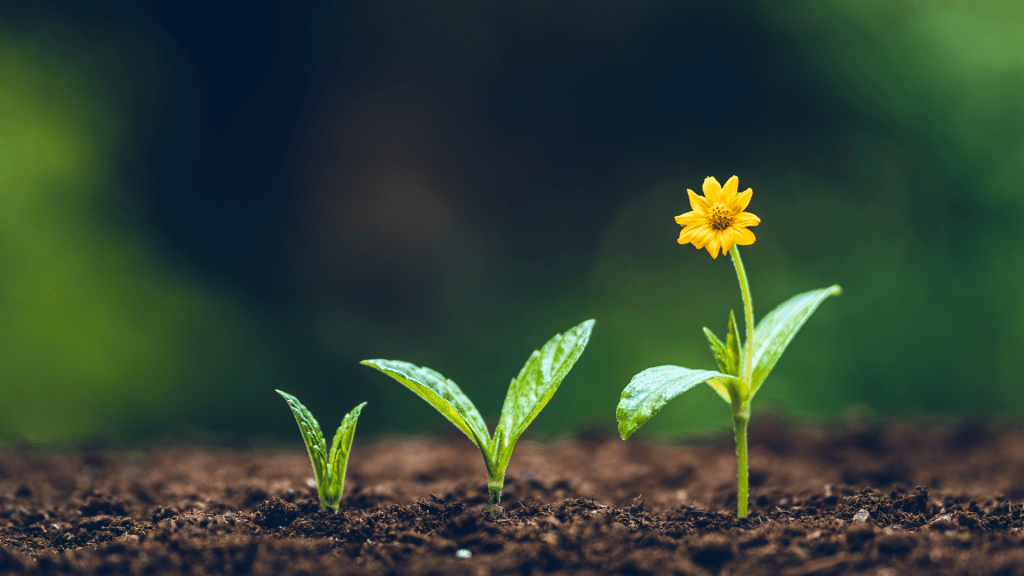
There's nothing quite like the fresh, peppery aroma of basil wafting from your garden on a warm summer day. But what happens when your vibrant green basil plant starts to sprout flowers? Is it a good thing, a bad thing, or just a natural part of the plant's life cycle? Let's dive into the fascinating world of basil, explore the reasons behind flowering, and learn how to manage it for the best possible flavor and harvest.
Understanding Basil and Its Growth Cycle
Basil, scientifically known as Ocimum basilicum, is a tender annual herb cherished for its fragrant leaves. It's a staple in many cuisines, particularly Italian, and is relatively easy to grow, making it a popular choice for home gardeners. To understand why basil flowers, it's important to grasp its natural life cycle. Basil, like most annuals, is programmed to grow, produce leaves (which we love for cooking), flower, produce seeds, and then eventually die. This life cycle is driven by both internal factors (the plant's age) and external factors (environmental conditions).
Why Is My Basil Flowering?
There are several reasons why your basil plant might be bolting (flowering), and understanding these can help you manage your plant more effectively. Here's a breakdown of the most common causes:
Age and Maturity
The most fundamental reason basil flowers is simply because it's reaching the end of its natural life cycle. As the plant matures, it prioritizes reproduction over leaf production. Flowering is the plant's way of ensuring its survival by producing seeds for the next generation. Think of it as the plant's biological clock ticking down.
Environmental Stressors
Basil is a relatively sensitive plant, and various environmental stressors can trigger early flowering. These include:
Heat: Prolonged periods of high temperatures, especially during the summer months, can accelerate the flowering process. Basil thrives in warm, but not scorching, conditions. Lack of Water: Insufficient watering can stress the plant, leading it to flower prematurely as a survival mechanism. Consistent moisture is crucial for healthy leaf production. Poor Soil: Basil needs nutrient-rich, well-draining soil to thrive. If the soil is lacking in essential nutrients, the plant may flower early in an attempt to reproduce before it weakens further. Crowding: If your basil plants are too close together, they may compete for resources and become stressed, which can lead to flowering. Daylight Length:As days get longer, and move toward the Summer Solstice (June 21st in the Northern Hemisphere), some varieties will be triggered to flower.
Variety of Basil
Certain basil varieties are more prone to early flowering than others. For example, some Thai basil varieties tend to flower more readily than Genovese basil. If you're particularly concerned about flowering, research different basil varieties and choose one that is known for its slower bolting tendencies. For example,*'Everleaf'basil is bred specifically to resist flowering.
What Happens When Basil Flowers?
When basil flowers, the plant's energy is diverted from leaf production to flower and seed production. This has several consequences:
Reduced Leaf Production: The plant will produce fewer leaves, and the leaves that are produced may be smaller. Changes in Flavor: The flavor of the leaves often becomes more bitter and less desirable. The essential oils responsible for basil's characteristic flavor become less concentrated, leading to a less appealing taste. Some people don't mind the flavor change, but most find it less palatable. Stems Become Woody:The stems of the plant will become tougher and woodier as the plant puts energy into supporting the flowers.
While these changes aren't necessarily harmful, they can significantly impact the culinary value of your basil.
How to Prevent or Delay Basil Flowering
While you can't completely prevent basil from flowering eventually, you can take steps to delay the process and maximize leaf production:
Pinch Off Flower Buds
The most effective way to prevent or delay flowering is to regularly pinch off the flower buds as soon as you see them. Use your fingers or clean剪定鋏 to snip off the buds just above a set of leaves. This encourages the plant to focus its energy on producing more leaves.
Proper Watering and Fertilizing
Ensure your basil plants receive consistent watering, especially during hot weather. Water deeply whenever the top inch of soil feels dry. Also, fertilize regularly with a balanced liquid fertilizer to provide the plant with the nutrients it needs to thrive. A general purpose20-20-20 fertilizer diluted to half strength, applied every 2-3 weeks, is a good option.
Provide Adequate Sunlight
Basil needs at least 6-8 hours of sunlight per day. Ensure your plants are in a location that receives plenty of sunlight. If you're growing basil indoors, consider using grow lights to supplement natural sunlight.
Harvest Regularly
Regularly harvesting the leaves of your basil plant encourages it to produce more leaves. Don't be afraid to harvest generously, even if you don't need the leaves immediately. You can dry or freeze the leaves for later use.
Choose the Right Variety
As mentioned earlier, some basil varieties are more resistant to flowering than others. Consider choosing a variety that is known for its slower bolting tendencies.
Succession Planting
To ensure a continuous supply of basil throughout the growing season, consider succession planting. This involves planting new basil plants every few weeks. This way, even if one plant starts to flower, you'll have others that are still producing leaves.
What to Do When Your Basil Flowers
Even with the best preventative measures, your basil plant will eventually flower. Here's what you can do:
Continue Pinching Off Flowers
Even after the plant starts flowering, you can still pinch off the flowers to encourage more leaf production, although it won't be as effective as it was before. This can buy you some extra time and allow you to harvest a few more leaves.
Harvest the Seeds
If you don't mind the altered flavor of the leaves, you can let the flowers mature and harvest the seeds. Allow the flowers to dry on the plant, and then gently rub them between your fingers to release the seeds. Store the seeds in a cool, dry place for planting next year.
Use the Flowers
Basil flowers are edible and can be used in salads, as a garnish, or to make basil flower vinegar. They have a milder flavor than the leaves, but they can add a decorative touch to your dishes. Basil flowers also attract pollinators to your garden, which is beneficial for other plants.
Case Study: Maximizing Basil Harvest in a Hot Climate
A gardener in Phoenix, Arizona, was struggling to keep their basil from bolting during the scorching summer months. They implemented the following strategies with great success:
Afternoon Shade: They provided their basil plants with afternoon shade to protect them from the intense heat. Deep Watering: They watered deeply and regularly, ensuring the soil stayed consistently moist. Regular Harvesting: They harvested the leaves frequently to encourage new growth and prevent flowering. Pinching Off Flowers: They diligently pinched off flower buds as soon as they appeared. Succession Planting:They planted new basil plants every three weeks to ensure a continuous supply of fresh leaves.
By implementing these strategies, the gardener was able to extend the basil harvest well into the summer months and enjoy fresh basil for a longer period.
Interesting Facts About Basil
Basil is native to Asia and Africa.
There are over 150 different varieties of basil.
Basil is a good source of Vitamin K, Vitamin A, and manganese.
Basil is believed to have medicinal properties and has been used in traditional medicine for centuries.
Basil is a symbol of love in Italy.
Flowering Basil: A Summary
| Aspect | Description |
|---|---|
| ----------------- | -------------------------------------------------------------------------------------------------------------------- |
| Cause | Natural life cycle, environmental stressors (heat, drought, poor soil), basil variety. |
| Impact | Reduced leaf production, altered flavor, woody stems. |
| Prevention | Pinching off flowers, proper watering and fertilizing, adequate sunlight, regular harvesting, choosing the right variety. |
| What to do | Continue pinching off flowers, harvest the seeds, use the flowers. |
Growing basil and managing its flowering is a key part of enjoying this wonderful herb. By understanding the reasons behind flowering and implementing the strategies outlined above, you can maximize your basil harvest and enjoy its fresh, flavorful leaves for as long as possible. Happy gardening!
To keep your basil plants thriving, especially during those hot summer months, having the right tools is essential. We highly recommend a reliable watering solution like the Garden Hose 75 FT with 10-Function Nozzle, designed with a leak-proof metal connector to ensure no water is wasted. This metal hose is incredibly durable, kink-free, and wear-resistant, making your gardening tasks much easier. Plus, its lightweight design makes it easy to maneuver around your yard! Check out this fantastic yard hose here: https://amzn.to/3Yv E0Bo