Picture this: you’re making a delicious pesto, but you're out of fresh basil! A quick trip to the grocery store solves the problem, but what if you could extend the life of that store-bought basil and create an endless supply? The good news is, with a little know-how, you absolutely can! Growing Basil From Store-Bought: A Complete Guide So, can you really grow basil from store bought bunches? Absolutely! It's a fantastic way to save money, reduce waste, and enjoy fresh basil whenever you need it. However, the success of growing basil from store bought depends on a few key factors. This article will walk you through the entire process, from selecting the right basil to harvesting your homegrown leaves. We'll cover everything you need to know to successfully propagate basil from your grocery store haul. Selecting the Right Store-Bought Basil for Propagation Not all store-bought basil is created equal when it comes to propagation. To increase your ...
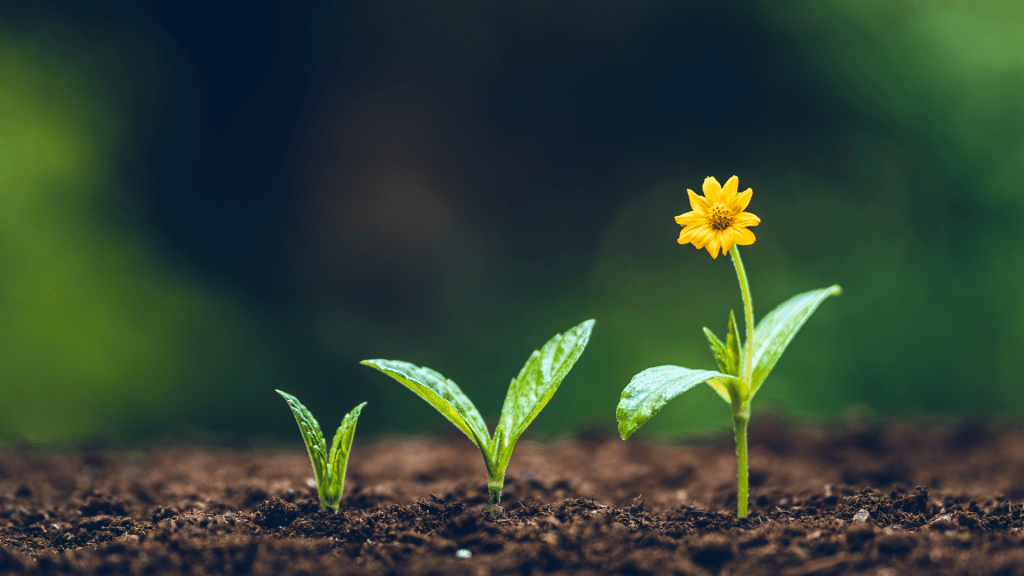
Imagine the aroma of fresh basil wafting from your own garden, ready to enhance your favorite Indian dishes. It's not just a dream; growing basil in India is easier than you think! This vibrant herb thrives in our climate, adding a burst of flavor and freshness to everything from pesto-inspired chutneys to fragrant biryanis. Let's dive into the secrets of cultivating lush, healthy basil right here in India.
Growing Basil in India: A Beginner's Guide
Basil, also known as Tulsiin many parts of India (though that often refers specifically to Holy Basil,Ocimum tenuiflorum), is a beloved herb that is not only integral to many cuisines but also holds cultural significance. From the sweet basil perfect for Italian dishes to the slightly spicier Thai basil, the diversity within the basil family means there's a variety suited to almost every Indian palate and gardening style. Understanding the basic requirements for growing basil in India will ensure a bountiful harvest and a continuous supply of fresh, aromatic leaves.
Choosing the Right Basil Variety for Your Indian Garden
India's diverse climate allows for a wide range of basil varieties to flourish. Here's a breakdown of some popular choices:
- Sweet Basil (Ocimum basilicum): The most common type, ideal for Italian recipes and easily adaptable to Indian conditions. It has a sweet, slightly peppery flavor.
- Holy Basil (Tulsi) (Ocimum tenuiflorum): Revered in Hinduism, this variety has a more medicinal and slightly clove-like aroma. It's relatively easy to grow and quite hardy.
- Thai Basil (Ocimum basilicum var. thyrsiflora): Distinct anise-licorice flavor. Works well in stir-fries, curries, and is surprisingly cold-hardy.
- Lemon Basil (Ocimum × citriodorum): A citrusy twist! Perfect for adding a bright, zesty flavor to salads, drinks, and even fish dishes.
- Genovese Basil (Ocimum basilicum 'Genovese'): The quintessential pesto basil! Its large, tender leaves are packed with flavor.
When selecting your variety, consider your local climate. In hotter, drier regions, Holy Basil is a robust choice. In more temperate areas, Sweet Basil and Genovese Basil will thrive. Also think about the types of dishes you plan to create – Thai basil is essential for authentic Thai curries, while lemon basil will add a delightful twist to your summer drinks. For gardeners looking for an option to water their plants, consider investing in a reliable watering solution such as a qualitygarden hose. A durable option like the Garden Hose 75 FT with 10-Function Nozzle offers versatility with its multiple spray settings, making plant care a breeze. You can find it here: https://amzn.to/3Yv E0Bo.
Sowing the Seeds of Success: Planting Your Basil
There are two primary methods for planting basil: starting from seeds or transplanting seedlings. Starting from seeds allows you to grow a wider variety of basil, while transplanting seedlings provides a head start and ensures a more established plant.
From Seeds:
- Timing is Key: The best time to sow basil seeds in India is typically in the spring (February-March) or during the monsoon season (June-July). This allows the plants to establish themselves before the extremes of summer heat or winter cold.
- Seed Starting Mix: Use a well-draining seed starting mix. A mixture of coco peat, vermiculite, and perlite works well.
- Sowing: Sow the seeds thinly on the surface of the soil and lightly cover them with a thin layer of the mix.
- Watering: Gently water the seeds using a spray bottle to avoid disturbing them. Keep the soil consistently moist but not waterlogged.
- Warmth and Light: Basil seeds need warmth to germinate. A temperature of 21-27°C (70-80°F) is ideal. Place the seed trays in a warm, sunny location or use a grow light.
- Transplanting: Once the seedlings have developed their first set of true leaves (usually after 2-3 weeks), they are ready to be transplanted into larger pots or directly into the garden.
From Seedlings:
- Choose Healthy Seedlings: Select seedlings that are vibrant green, have sturdy stems, and show no signs of disease or pests.
- Prepare the Soil: Ensure the soil is well-draining and rich in organic matter. Amend the soil with compost or well-rotted manure.
- Planting: Dig a hole slightly larger than the root ball of the seedling. Gently remove the seedling from its container and place it in the hole. Backfill with soil and gently firm it around the base of the plant.
- Spacing: Space the basil plants 12-18 inches apart to allow for adequate air circulation and growth.
- Watering: Water the seedlings thoroughly after planting.
Nurturing Your Basil: Essential Care Tips
Once your basil is planted, consistent care is essential for healthy growth and a continuous harvest. Here's a breakdown of the key elements:
Sunlight:
Basil thrives in full sun, requiring at least 6-8 hours of direct sunlight per day. In extremely hot climates, providing some afternoon shade can prevent the leaves from scorching.
Watering:
Basil needs consistent watering, especially during hot and dry periods. Water deeply whenever the top inch of soil feels dry to the touch. Avoid overwatering, as this can lead to root rot. Mulching around the base of the plants can help retain moisture in the soil.
Soil and Fertilization:
Basil prefers well-draining soil that is rich in organic matter. Amend the soil with compost, well-rotted manure, or other organic amendments. Fertilize your basil plants every 2-3 weeks with a balanced liquid fertilizer, following the instructions on the product label. Avoid over-fertilizing, as this can lead to excessive foliage growth at the expense of flavor.
Pruning and Harvesting:
Regular pruning is essential for encouraging bushy growth and preventing the basil from flowering. Pinch off the flower buds as soon as they appear, as flowering will reduce the flavor of the leaves. To harvest basil, pinch or cut off the stems just above a leaf node. This will encourage new growth from the leaf node and result in a more productive plant. Aim to harvest regularly, even if you don't need the basil, as this will stimulate new growth.
Interesting fact:Regular pruning and harvesting of basil also encourages lateral branching, leading to a bushier plant with more leaves.
Pest and Disease Management
While basil is relatively resistant to pests and diseases, it can occasionally be affected by common garden problems. Here are some common issues and how to address them:
- Aphids: These small, sap-sucking insects can cluster on the stems and leaves of basil plants. They can be controlled by spraying the plants with a strong stream of water, using insecticidal soap, or introducing beneficial insects like ladybugs.
- Spider Mites: These tiny pests create webs on the leaves and suck the sap, causing the leaves to become mottled and yellow. They thrive in hot, dry conditions. Increase humidity by misting the plants regularly, and use insecticidal soap or neem oil to control infestations.
- Fungal Diseases: Basil can be susceptible to fungal diseases like powdery mildew and downy mildew, especially in humid conditions. Ensure good air circulation around the plants, avoid overhead watering, and use a fungicide if necessary.
- Root Rot: This is caused by overwatering and poor drainage. Ensure the soil is well-draining, avoid overwatering, and consider using pots with drainage holes.
Using organic pest control methods is always preferable to chemical pesticides, as it is safer for you, your plants, and the environment. Neem oil is a particularly effective and versatile organic pesticide that can be used to control a wide range of pests and diseases.
Troubleshooting Common Basil Growing Problems in India
Even with careful planning and diligent care, you may encounter some challenges while growing basil in India. Here are some common problems and their solutions:
- Yellowing Leaves: This can be caused by a variety of factors, including overwatering, underwatering, nutrient deficiencies, and pest infestations. Check the soil moisture, fertilize the plants if necessary, and inspect them for pests.
- Slow Growth: This can be caused by insufficient sunlight, poor soil, or cold temperatures. Ensure the plants are receiving adequate sunlight, amend the soil with organic matter, and protect the plants from cold weather.
- Leggy Growth: This is caused by insufficient sunlight. Move the plants to a sunnier location or provide supplemental lighting.
- Bitter Leaves: This can be caused by flowering or stress. Pinch off the flower buds as soon as they appear, and ensure the plants are receiving adequate water and nutrients.
Harvesting and Using Your Fresh Basil
Once your basil plants are thriving, you can begin harvesting the leaves for use in your favorite dishes. The best time to harvest basil is in the morning, after the dew has dried. This is when the leaves are at their most flavorful.
To harvest basil, pinch or cut off the stems just above a leaf node. This will encourage new growth from the leaf node and result in a more productive plant. You can use the fresh basil leaves immediately, or you can store them for later use.
Here are some popular ways to use fresh basil:
- Pesto: Basil pesto is a classic Italian sauce made with fresh basil, garlic, pine nuts, Parmesan cheese, and olive oil. It's delicious on pasta, sandwiches, and as a dip.
- Salads: Fresh basil adds a burst of flavor to salads. Try adding it to tomato and mozzarella salad, cucumber salad, or mixed green salad.
- Soups and Stews: Basil can be added to soups and stews for added flavor. It pairs well with tomato-based soups, vegetable soups, and bean soups.
- Curries: Thai basil is a staple in many Thai curries. It adds a distinct anise-licorice flavor that complements the other ingredients.
- Teas and Drinks: Lemon basil is a refreshing addition to teas and drinks. It adds a citrusy twist that is perfect for summer.
- Garnish: Fresh basil makes a beautiful and flavorful garnish for a variety of dishes.
Growing basil in India is a rewarding experience that provides you with a continuous supply of fresh, aromatic leaves. With a little knowledge and care, you can enjoy the taste and aroma of homegrown basil in your favorite dishes. It is an adventure for any gardener.