Picture this: you’re making a delicious pesto, but you're out of fresh basil! A quick trip to the grocery store solves the problem, but what if you could extend the life of that store-bought basil and create an endless supply? The good news is, with a little know-how, you absolutely can! Growing Basil From Store-Bought: A Complete Guide So, can you really grow basil from store bought bunches? Absolutely! It's a fantastic way to save money, reduce waste, and enjoy fresh basil whenever you need it. However, the success of growing basil from store bought depends on a few key factors. This article will walk you through the entire process, from selecting the right basil to harvesting your homegrown leaves. We'll cover everything you need to know to successfully propagate basil from your grocery store haul. Selecting the Right Store-Bought Basil for Propagation Not all store-bought basil is created equal when it comes to propagation. To increase your ...
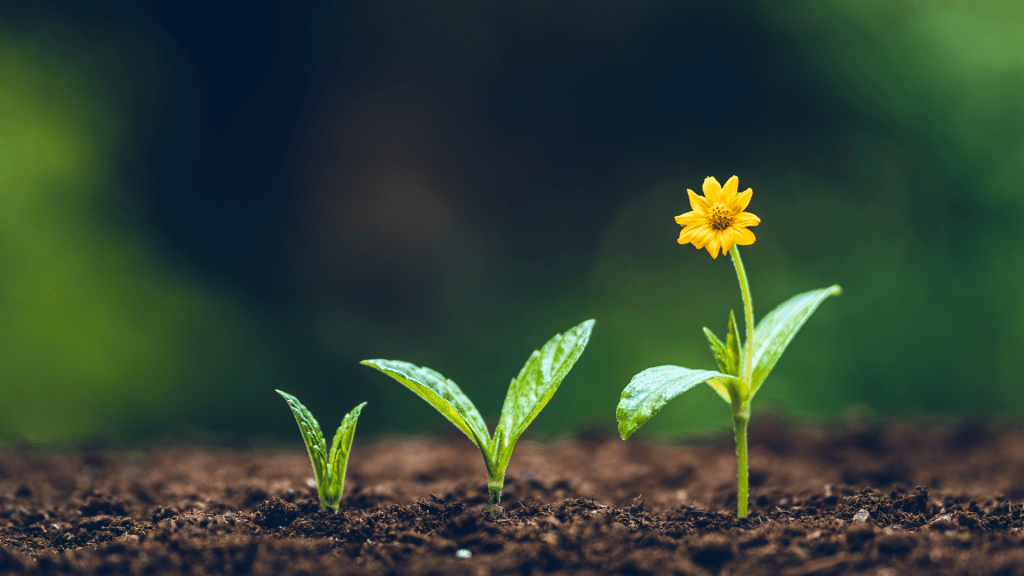
Imagine stepping onto your patio, the warm sun on your face, and the intoxicating aroma of fresh basil wafting through the air. Growing your own basil, especially outdoors in pots, is not only easier than you might think, but it also brings a touch of summer magic to your everyday life. Let's dive into the world of potted basil and unlock the secrets to a thriving, fragrant harvest!
Growing Basil In Pots Outdoors
Choosing the Right Basil Variety for Outdoor Pots
Basil comes in a wonderful array of varieties, each with its own unique flavor and appearance. Selecting the right one for your outdoor pots is the first step to success. While classic Genovese basil is a popular choice for pesto and Italian dishes, other varieties offer exciting possibilities.
Genovese Basil
This is the quintessential basil for many. It's known for its large, dark green leaves and strong, classic basil flavor. Genovese basil is ideal for pesto, salads, and adding to pasta sauces. It tends to be more vigorous and tolerates pruning well, making it a great choice for beginners. However, if left unpruned, it can quickly bolt (flower), which diminishes the flavor of the leaves. Remember to pinch off any flower buds to encourage leaf production. Genovese basil thrives in warm, sunny conditions, making it perfect for growing basil in pots outdoors.
Thai Basil
Thai basil boasts a distinct anise-like flavor with hints of licorice. Its leaves are narrower and more pointed than Genovese basil, and the stems are often purple. Thai basil is a must-have for Southeast Asian cuisine, adding a delightful complexity to stir-fries, curries, and noodle dishes. It's also more heat-tolerant than Genovese basil, making it a great option for hot climates. It prefers well-draining soil and regular watering, so keeping it in a pot outdoors allows for better control over its environment. A fun fact about Thai Basil is that the purple stems are actually anthocyanins, the same pigment found in blueberries!
Lemon Basil
As the name suggests, lemon basil offers a bright, citrusy flavor that's perfect for salads, fish dishes, and herbal teas. Its leaves are smaller and lighter green than Genovese basil, and its aroma is wonderfully refreshing. Lemon basil is a bit more delicate than other varieties and may require more protection from harsh weather. Growing this specific kind of basil in containers gives you the ability to move it around and give it the optimal environment and sunlight that it requires. It's also a great insect repellent, so having it near your outdoor seating area can be a bonus.
Purple Basil
Purple basil, such as 'Opal' or 'Dark Opal,' adds a splash of color to your garden with its striking deep purple leaves. Its flavor is slightly spicier and more complex than Genovese basil, making it a unique addition to salads, vinegars, and ornamental displays. It's a visually stunning plant, and its purple leaves retain their color even when cooked. Purple basil also tends to be more resistant to bolting than some other varieties, extending your harvest season. This makes growing basil in pots outdoors a very visual experience as well as culinary.
Choosing the Right Pot and Soil for Your Basil
Selecting the right pot and soil is just as crucial as choosing the right basil variety. Basil needs well-draining soil and adequate space to thrive.
Pot Size and Material
A pot that's at least 12 inches in diameter is recommended for a single basil plant. This gives the roots enough room to spread and access nutrients. Terracotta pots are a good choice because they allow for good drainage and air circulation, which helps prevent root rot. However, they can dry out quickly in hot weather, so you may need to water more frequently. Plastic pots retain moisture better but can overheat in direct sunlight. Glazed ceramic pots are both attractive and functional, offering good drainage and insulation. Regardless of the material, ensure the pot has drainage holes at the bottom to prevent waterlogging. Proper drainage is one of the most important aspects of growing basil successfully. Without it, the roots will quickly rot.
Soil Composition
Basil prefers well-draining, fertile soil with a slightly acidic to neutral p H (around 6.0-7.5). A good potting mix should consist of a combination of:
- Peat moss or coconut coir: to retain moisture
- Perlite or vermiculite: to improve drainage
- Compost or aged manure: to provide nutrients
Avoid using garden soil in pots, as it tends to compact and doesn't drain well. You can also add a slow-release fertilizer to the potting mix to provide a steady supply of nutrients throughout the growing season. The key is to create a light, airy mix that allows the roots to breathe and absorb water efficiently. Adding a bit of bone meal to the mix can also promote strong root growth.
Planting Your Basil Seedlings Outdoors
Once you have your pot and soil ready, it's time to plant your basil seedlings. Whether you're starting from seeds or transplanting seedlings from a nursery, the process is relatively straightforward.
Starting from Seeds
Basil seeds can be started indoors 6-8 weeks before the last expected frost. Sow the seeds in small pots or trays filled with seed-starting mix. Keep the soil moist and warm (around 70-75°F) until the seeds germinate, which usually takes 5-10 days. Once the seedlings have developed a few sets of true leaves, they can be transplanted into larger pots and gradually acclimated to outdoor conditions (a process called "hardening off") before being moved to their permanent outdoor location.
Hardening off involves exposing the seedlings to increasing amounts of sunlight and outdoor temperatures over a period of 1-2 weeks. This helps them adjust to the harsher outdoor environment and prevents transplant shock. A good way to start hardening them off is by putting them outside for a few hours a day, gradually increasing the time each day until they can stay outside all day and night.
Transplanting Seedlings
If you're using seedlings from a nursery, choose plants that are healthy, compact, and free from pests or diseases. Gently remove the seedlings from their containers and loosen the roots before planting them in your prepared pot. Space the seedlings about 8-12 inches apart, depending on the variety. Water thoroughly after planting and add a layer of mulch around the base of the plants to help retain moisture and suppress weeds. Mulch can be anything from straw to wood chips, or even dried grass clippings. The goal is to keep the soil cool and moist.
Caring for Your Potted Basil
Proper care is essential for ensuring a bountiful basil harvest. This includes providing adequate sunlight, water, and nutrients.
Sunlight Requirements
Basil thrives in full sun, requiring at least 6-8 hours of direct sunlight per day. Choose a location for your potted basil that receives plenty of sunshine, such as a south-facing patio or balcony. If you live in a hot climate, you may need to provide some afternoon shade to prevent the leaves from scorching. Signs of scorching include leaves that are yellowing, browning, or curling. Inadequate sunlight can result in leggy, weak plants with poor flavor.
Watering Techniques
Basil needs consistent moisture but doesn't like to sit in soggy soil. Water deeply whenever the top inch of soil feels dry to the touch. Avoid overhead watering, as this can promote fungal diseases. Instead, water at the base of the plant, using a watering can or a soaker hose. The frequency of watering will depend on the weather, pot size, and soil type. During hot, dry periods, you may need to water daily. One thing that you could use when watering your Basil plants is the Garden Hose 75 FT with 10-Function Nozzle, a Leak-proof Metal Connector Water Hose, which is No Knots, Kink-Free, Lighter, Anti-Pets, Wear-Resistant, 3/4 GHT, Metal Hose for Garden, Yard, Outdoor. This flexible watering tool is very helpful when watering your basil plants. You can find it here: https://amzn.to/3Yv E0Bo.
Fertilizing Schedule
Basil is a heavy feeder and benefits from regular fertilization. Use a balanced liquid fertilizer (such as 10-10-10) diluted to half strength every 2-3 weeks. You can also use organic fertilizers such as compost tea or fish emulsion. Avoid over-fertilizing, as this can lead to excessive leaf growth and reduced flavor. Signs of over-fertilization include burnt leaf tips and stunted growth. It's always better to under-fertilize than to over-fertilize. Remember, healthy soil is the foundation of healthy plants.
Pest and Disease Management
While basil is relatively pest-resistant, it can be susceptible to certain pests and diseases, especially when grown outdoors.
Common Pests
Aphids, spider mites, and Japanese beetles are common pests that can attack basil plants. Aphids are small, soft-bodied insects that suck sap from the leaves, causing them to curl and distort. Spider mites are tiny, spider-like pests that create webs on the undersides of leaves, causing them to become stippled and yellow. Japanese beetles are larger, metallic-green beetles that can devour entire leaves.
To control these pests, you can try:
- Spraying the plants with a strong stream of water to dislodge the pests
- Applying insecticidal soap or neem oil
- Introducing beneficial insects, such as ladybugs or lacewings, to prey on the pests
Common Diseases
Fungal diseases, such as downy mildew and Fusarium wilt, can also affect basil plants. Downy mildew causes yellow spots on the upper surface of the leaves and a gray, fuzzy growth on the undersides. Fusarium wilt causes the plant to wilt and die. To prevent these diseases, provide good air circulation, avoid overhead watering, and use disease-resistant basil varieties.
If you detect signs of disease, remove the affected leaves or plants immediately to prevent the spread of the disease. You can also try applying a fungicide, but be sure to choose one that is safe for use on edible plants. Crop rotation and proper sanitation are also important preventative measures.
Harvesting Your Basil
Harvesting basil regularly encourages new growth and prevents the plant from flowering (bolting). Pinch off the top sets of leaves, cutting just above a leaf node. This will encourage the plant to branch out and produce more leaves. Avoid removing more than one-third of the plant at a time, as this can stress the plant. The best time to harvest basil is in the morning, after the dew has dried but before the sun gets too hot. This is when the leaves are at their most flavorful.
Drying and Preserving Basil
If you have more basil than you can use fresh, you can dry it for later use. There are several ways to dry basil:
- Air drying: Hang bunches of basil upside down in a cool, dark, and well-ventilated place until the leaves are completely dry.
- Oven drying: Spread the leaves on a baking sheet and dry them in a low oven (170°F) for 2-4 hours, or until they are crispy.
- Dehydrator: Use a food dehydrator to dry the leaves according to the manufacturer's instructions.
Once the leaves are dry, store them in an airtight container in a cool, dark place. You can also freeze basil by pureeing it with olive oil and freezing it in ice cube trays. This is a great way to preserve the flavor of fresh basil for use in sauces and soups.
Troubleshooting Common Problems
Even with the best care, you may encounter some problems when growing basil in pots outdoors. Here are some common issues and how to address them:
Yellowing Leaves
Yellowing leaves can be caused by several factors, including overwatering, underwatering, nutrient deficiencies, or pests. Check the soil moisture and adjust your watering accordingly. Fertilize the plant with a balanced fertilizer to correct any nutrient deficiencies. Inspect the leaves for pests and treat as necessary.
Leggy Growth
Leggy growth, characterized by long, spindly stems and few leaves, is usually caused by insufficient sunlight. Move the plant to a sunnier location or supplement with artificial light.
Bolting
Bolting, or premature flowering, is often triggered by hot weather or stress. Pinch off any flower buds as soon as they appear to encourage leaf production. Providing shade during the hottest part of the day can also help prevent bolting.
Slow Growth
Slow growth can be caused by a variety of factors, including poor soil, inadequate sunlight, or pests and diseases. Make sure the plant is growing in well-draining, fertile soil and receiving at least 6-8 hours of sunlight per day. Inspect the plant for pests and diseases and treat as necessary.