Picture this: you’re making a delicious pesto, but you're out of fresh basil! A quick trip to the grocery store solves the problem, but what if you could extend the life of that store-bought basil and create an endless supply? The good news is, with a little know-how, you absolutely can! Growing Basil From Store-Bought: A Complete Guide So, can you really grow basil from store bought bunches? Absolutely! It's a fantastic way to save money, reduce waste, and enjoy fresh basil whenever you need it. However, the success of growing basil from store bought depends on a few key factors. This article will walk you through the entire process, from selecting the right basil to harvesting your homegrown leaves. We'll cover everything you need to know to successfully propagate basil from your grocery store haul. Selecting the Right Store-Bought Basil for Propagation Not all store-bought basil is created equal when it comes to propagation. To increase your ...
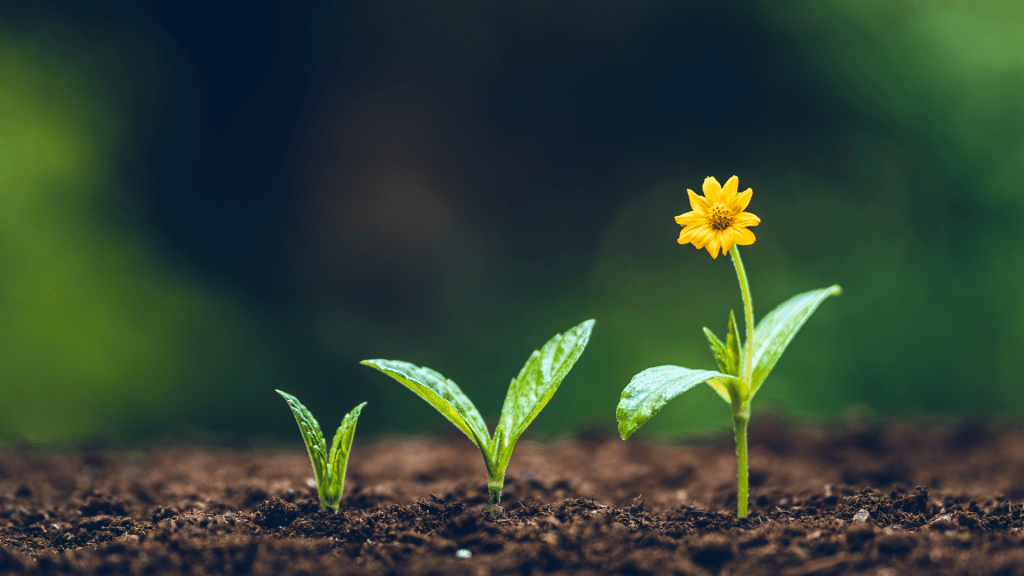
Picture this: warm sunshine, a gentle breeze, and the intoxicating aroma of fresh basil wafting from your garden. You're just steps away from snipping a handful of fragrant leaves to elevate your pasta sauce, pesto, or even a refreshing summer cocktail. Sounds idyllic, right? Well, growing basil outdoors in Southern California is entirely achievable, even with our unique climate challenges. Let's dive into the secrets to success!
Growing Basil in Southern California: A Gardener's Guide
Southern California presents unique challenges and opportunities for gardeners. Our Mediterranean climate, characterized by warm, dry summers and mild, wet winters, requires a slightly different approach to growing basil compared to other regions. Understanding these nuances is key to a thriving basil patch.
Choosing the Right Basil Variety for Southern California Gardens
Not all basil varieties are created equal, especially when it comes to Southern California's sometimes harsh conditions. Opting for heat-tolerant and disease-resistant types is crucial. Here are a few excellent choices:
- Genovese Basil: The classic choice for pesto and Italian dishes. It performs well in our warm climate, but requires diligent watering and afternoon shade in the hottest months.
- Thai Basil: With its anise-like flavor, Thai basil is a great addition to Asian cuisine. It's generally more heat-tolerant than Genovese and less prone to bolting (going to seed prematurely).
- Lemon Basil: Adds a citrusy zest to your dishes. This variety tends to be quite robust and handles the Southern California sun well.
- Purple Basil: Not only does it add a visual pop to your garden, but purple basil is also relatively heat-tolerant and offers a slightly different, more robust flavor profile.
Optimal Planting Time for Basil in Southern California
Timing is everything! In Southern California, the best time to plant basil outdoors is in thespring, after the last frost, typically around late March or early April. You can also start seeds indoors about 6-8 weeks before the last expected frost and transplant them once the soil has warmed up. Avoid planting too early, as basil is very sensitive to cold temperatures. A sudden cold snap can stunt their growth or even kill them.
Here's a general timeline:
- Start seeds indoors: February - March
- Transplant outdoors (or direct sow): Late March - Early April (or later, depending on your microclimate)
- Successive planting: Every 2-3 weeks throughout the spring and summer to ensure a continuous harvest.
Selecting the Perfect Location for Your Basil Plants
Basil thrives infull sun (6-8 hours per day), but in Southern California's intense summer heat, some afternoon shade can be beneficial. Choose a location that receives morning sun and is sheltered from strong winds. Also, well-draining soil is critical. Basil doesn't like to sit in soggy soil, which can lead to root rot. Consider raised beds or containers if your soil is heavy clay.
Think about these factors when choosing your spot:
- Sunlight: Morning sun, afternoon shade is ideal.
- Soil: Well-draining, rich in organic matter.
- Wind protection: Sheltered location.
Caring for Your Basil Plants Outdoors
Proper care is essential for maximizing your basil yield and keeping your plants healthy and happy. This includes watering, fertilizing, pruning, and pest control.
Watering Strategies for Southern California Basil
Consistent watering is crucial, especially during our hot, dry summers. Basil needs about1-2 inches of water per week. Water deeply and less frequently, rather than shallowly every day. This encourages deep root growth, making the plants more resilient to drought. Use a soaker hose or drip irrigation to deliver water directly to the roots and avoid wetting the leaves, which can promote fungal diseases.
Check the soil moisture regularly by sticking your finger about an inch into the soil. If it feels dry, it's time to water. Mulching around your basil plants with organic materials like straw or wood chips can help retain moisture and suppress weeds.
When you're thinking about getting the right tools for watering your garden, consider the convenience of a newgarden water hose. AGarden Hose 75 FT with 10-Function Nozzle, Leak-proof Metal Connector Water Hose, No Knots, Kink-Free, Lighter, Anti-Pets, Wear-Resistant, 3/4 GHT, Metal Hose for Garden, Yard, Outdoor is a great choice, offering flexibility and durability for keeping your basil plants hydrated. Find this versatilewater supply hoseon Amazon:https://amzn.to/3Yv E0Bo
Fertilizing Basil for Optimal Growth
Basil is a heavy feeder and benefits from regular fertilization. Use abalanced organic fertilizer(e.g., 5-5-5 or 10-10-10) every 2-3 weeks during the growing season. You can also supplement with compost tea or fish emulsion. Avoid over-fertilizing, as this can lead to leggy growth and reduced flavor.
Here's a simple fertilization schedule:
- At planting: Incorporate compost into the soil.
- Every 2-3 weeks: Apply a balanced organic fertilizer.
- Optional: Supplement with compost tea or fish emulsion.
Pruning and Harvesting for Bushier Basil Plants
Regular pruning is essential for encouraging bushy growth and preventing your basil plants from bolting. Pinch off the growing tips of the stems and any flower buds that appear. This will encourage the plant to produce more leaves and stay productive longer. Harvest basil leaves regularly, starting from the top of the plant and working your way down. This will stimulate new growth and provide you with a continuous supply of fresh basil.
Pro Tip: When harvesting, cut the stem just above a leaf node (the point where two leaves grow from the stem). This will encourage new growth from that point.
Protecting Basil from Pests and Diseases
Basil is relatively pest-resistant, but it can be susceptible to certain problems, such as aphids, spider mites, and fungal diseases. Inspect your plants regularly for signs of infestation or disease. If you spot any problems, take action immediately.
Here are some common pests and diseases and how to deal with them:
- Aphids: Spray with a strong jet of water or use insecticidal soap.
- Spider Mites: Increase humidity and use insecticidal soap or neem oil.
- Fungal Diseases (e.g., Downy Mildew): Ensure good air circulation, avoid wetting the leaves when watering, and use a fungicide if necessary.
Additionally, protect your basil plants from snails and slugs, especially when they are young. Use organic snail bait or handpick them off the plants.
Troubleshooting Common Basil Growing Problems in Southern California
Bolting Basil: Preventing Premature Flowering
Bolting is a common problem, especially during the hottest months. Once basil starts to flower, the leaves become bitter and less flavorful. To prevent bolting, provide afternoon shade, water regularly, and prune diligently. Choose bolt-resistant varieties like Thai basil, and make sure to harvest leaves frequently.
Yellowing Leaves: Identifying and Addressing Nutrient Deficiencies
Yellowing leaves can indicate several problems, including nutrient deficiencies, overwatering, or underwatering. Check the soil moisture and adjust your watering schedule accordingly. If the soil is consistently wet, improve drainage. If the soil is dry, water more deeply. To address nutrient deficiencies, fertilize with a balanced organic fertilizer.
Basil Pests and Diseases: Organic Solutions for a Healthy Harvest
As mentioned earlier, aphids, spider mites, and fungal diseases can plague basil plants. Use organic solutions like insecticidal soap, neem oil, and copper fungicide to control these problems. Encourage beneficial insects like ladybugs and lacewings to help keep pests in check. Avoid using harsh chemical pesticides, as these can harm beneficial insects and contaminate your harvest.
Enjoying Your Homegrown Basil
Now for the best part: enjoying the fruits (or rather, leaves) of your labor! Use your fresh basil to make pesto, flavor sauces, salads, and sandwiches. You can also dry or freeze basil for later use. The possibilities are endless! Experiment with different basil varieties to discover your favorite flavors and culinary creations.
By following these tips, you can successfully grow basil outdoors in Southern California and enjoy a continuous supply of fresh, fragrant herbs all season long. Happy gardening!