Picture this: you’re making a delicious pesto, but you're out of fresh basil! A quick trip to the grocery store solves the problem, but what if you could extend the life of that store-bought basil and create an endless supply? The good news is, with a little know-how, you absolutely can! Growing Basil From Store-Bought: A Complete Guide So, can you really grow basil from store bought bunches? Absolutely! It's a fantastic way to save money, reduce waste, and enjoy fresh basil whenever you need it. However, the success of growing basil from store bought depends on a few key factors. This article will walk you through the entire process, from selecting the right basil to harvesting your homegrown leaves. We'll cover everything you need to know to successfully propagate basil from your grocery store haul. Selecting the Right Store-Bought Basil for Propagation Not all store-bought basil is created equal when it comes to propagation. To increase your ...
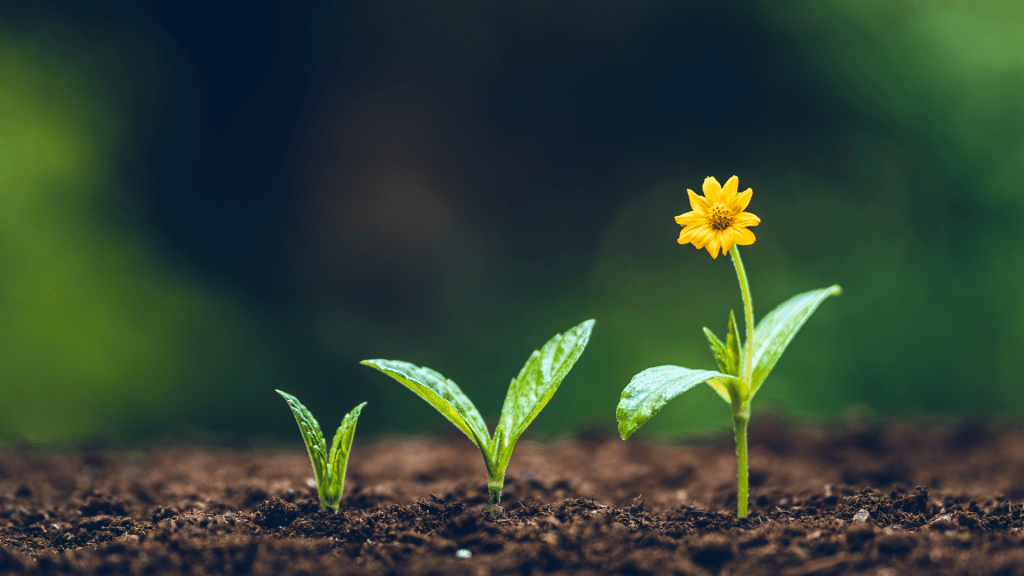
There's nothing quite like the fresh, peppery aroma of basil filling your kitchen. Imagine snipping those fragrant leaves right from your own garden – ready to elevate your pasta sauces, salads, and pesto to a whole new level. But getting that vibrant, abundant basil harvest requires more than just sunshine and good intentions. A crucial element to successful outdoor basil growing is proper watering. Getting it right can mean the difference between a flourishing plant and a droopy disappointment.
Growing Basil Outdoors: Understanding Basil's Water Needs
Basil (Ocimum basilicum) is a thirsty herb, especially whengrowing basil outdoors. Originating from warmer climates, basil loves consistent moisture, but it also hates soggy feet. Finding that balance is key to its success. Understanding your local climate, soil type, and the stage of basil plant growth are all important factors to consider when determining a watering schedule. Underwatering leads to stunted growth and bitter leaves. Overwatering, on the other hand, can lead to root rot and fungal diseases, which can quickly kill your precious basil plants. Knowing how much water your basil plant needs is the first step to a healthy harvest.
Factors Affecting Basil Watering
Several factors influence how often and how much you need to water youroutdoor basil plants. Here are the most important ones:
- Climate: Hot, sunny, and windy conditions will dry out the soil much faster, requiring more frequent watering. Conversely, cooler, cloudier weather means less water is needed.
- Soil Type: Sandy soils drain quickly and require more frequent watering than clay soils, which retain moisture for longer. Amending your soil with organic matter, like compost, improves both drainage and water retention, creating a more balanced environment for your basil.
- Plant Size: Young basil seedlings need less water than mature, established plants. As your basil grows, its water needs will increase accordingly.
- Container vs. Ground: Container-grown basil dries out much faster than basil planted directly in the ground. This is because the soil volume is limited, and the container itself can heat up in the sun.
- Sun Exposure: Basil thrives in full sun (6-8 hours of direct sunlight daily), but more sun exposure means more water is needed to prevent wilting.
For example, a basil plant in a pot on a sunny patio might need watering every day, while one in the ground in a partially shaded area might only need watering every few days.
How to Water Basil Plants Outdoors
The best way towater basil plants outdoors is to water deeply and less frequently, rather than shallowly and often. Deep watering encourages the roots to grow deeper into the soil, making the plant more drought-tolerant and resilient. The depth of the water required will depend on the age and size of the basil plant, but a good estimate would be at least 6 inches of water, so that water can reach the base of the roots. Here's a step-by-step guide:
- Check the Soil Moisture: Before watering, stick your finger about an inch or two into the soil. If the soil feels dry to the touch, it's time to water. Avoid watering if the soil is still moist.
- Water at the Base of the Plant: Use a watering can or hose to water directly at the base of the plant, avoiding wetting the leaves as much as possible. Wet leaves can promote fungal diseases.
- Water Slowly and Deeply: Water slowly and steadily, allowing the water to soak into the soil. Continue watering until you see water draining from the bottom of the pot (if you're growing in containers) or until the soil is thoroughly saturated.
- Water in the Morning: Watering in the morning allows the leaves to dry out during the day, reducing the risk of fungal diseases. Avoid watering in the evening, as the leaves will remain wet overnight.
Consider using a soaker hose or drip irrigation system for larger basil patches. These methods deliver water directly to the soil, minimizing water waste and reducing the risk of foliar diseases.
Speaking of hoses, if you are looking for a reliable way to water your basil, you might consider a75 FT Garden Hose. This hose comes with a 10-function nozzle and boasts leak-proof metal connectors. The design also makes it kink-free, lighter, and more resistant to wear and tear, making caring for your garden easier. Check it out here: https://amzn.to/3Yv E0Bo.
Recognizing the Signs of Underwatering and Overwatering Basil
Knowing how to identify the signs of both underwatering and overwatering is crucial for maintaining healthyoutdoor basil. Here's what to look for:
Signs of Underwatering:
- Wilting Leaves: This is the most obvious sign of underwatering. The leaves will appear droopy and limp.
- Dry Soil: The soil will feel dry to the touch, and may even be cracked.
- Stunted Growth: The plant will grow slowly or not at all.
- Yellowing Leaves: The leaves may turn yellow or brown, starting at the edges.
Signs of Overwatering:
- Yellowing Leaves: Similar to underwatering, overwatering can also cause yellowing leaves, but in this case, the yellowing may be more widespread.
- Drooping Leaves: The leaves may appear droopy and limp, even though the soil is wet.
- Soft, Mushy Stems: The stems may become soft and mushy, indicating root rot.
- Mold Growth: You may see mold growing on the surface of the soil or on the lower leaves.
- Foul Odor: The soil may have a foul, rotten odor, indicating root rot.
If you suspect your basil is underwatered, water it deeply and monitor its recovery. If you suspect overwatering, stop watering immediately and allow the soil to dry out completely before watering again. In severe cases of root rot, you may need to remove the affected plant and start over with fresh soil.
Best Practices for Watering Basil in Different Growing Situations
The best watering practices forgrowing basil outdoors will vary depending on whether you're growing in containers or directly in the ground.
Watering Basil in Containers
Container-grown basil is more susceptible to drying out than basil planted in the ground, so it requires more frequent watering. Here are some tips for watering basil in containers:
- Choose the Right Pot: Use a pot with drainage holes to prevent water from pooling at the bottom.
- Use Well-Draining Potting Mix: Avoid using garden soil, which can become compacted in containers. Choose a well-draining potting mix specifically formulated for containers.
- Water Thoroughly: Water until you see water draining from the bottom of the pot.
- Check the Soil Moisture Daily: Check the soil moisture daily, especially during hot weather.
- Consider Self-Watering Containers: Self-watering containers can help to maintain consistent moisture levels, especially if you're prone to forgetting to water.
Mulching the surface of the soil in containers can also help to retain moisture and reduce evaporation.
Watering Basil in the Ground
Basil planted directly in the ground is less susceptible to drying out than container-grown basil, but it still requires consistent watering, especially during dry spells. Here are some tips for watering basil in the ground:
- Amend the Soil: Amend the soil with organic matter, such as compost, to improve drainage and water retention.
- Water Deeply: Water deeply and less frequently, encouraging the roots to grow deeper into the soil.
- Mulch the Soil: Mulching around the base of the plant helps to retain moisture and suppress weeds.
- Consider Soaker Hoses or Drip Irrigation: Soaker hoses or drip irrigation systems can deliver water directly to the soil, minimizing water waste and reducing the risk of foliar diseases.
Pay attention to the weather forecast and adjust your watering schedule accordingly. During periods of heavy rain, you may not need to water at all.
Troubleshooting Common Watering Problems
Even with the best intentions, you may encounter some common watering problems whengrowing basil outdoors. Here are some tips for troubleshooting:
- Yellowing Leaves: As mentioned earlier, yellowing leaves can be a sign of both underwatering and overwatering. Check the soil moisture to determine the cause.
- Wilting During the Hottest Part of the Day: Basil may wilt slightly during the hottest part of the day, even if the soil is moist. This is normal and is simply a sign that the plant is transpiring (losing water) quickly. However, if the wilting persists into the evening, it may be a sign of underwatering.
- Fungal Diseases: Overwatering can create a favorable environment for fungal diseases, such as downy mildew and powdery mildew. Avoid wetting the leaves when watering and ensure good air circulation around the plants. If you notice signs of fungal disease, treat the plants with a fungicide or remove the affected leaves.
- Pest Problems: Stressed basil plants are more susceptible to pest problems. Ensure that your plants are getting adequate water and nutrients to keep them healthy and resistant to pests.
By understanding the factors that affect basil's water needs, following proper watering techniques, and being vigilant for signs of underwatering and overwatering, you can ensure a bountiful basil harvest all season long. Happy growing!