Picture this: you’re making a delicious pesto, but you're out of fresh basil! A quick trip to the grocery store solves the problem, but what if you could extend the life of that store-bought basil and create an endless supply? The good news is, with a little know-how, you absolutely can! Growing Basil From Store-Bought: A Complete Guide So, can you really grow basil from store bought bunches? Absolutely! It's a fantastic way to save money, reduce waste, and enjoy fresh basil whenever you need it. However, the success of growing basil from store bought depends on a few key factors. This article will walk you through the entire process, from selecting the right basil to harvesting your homegrown leaves. We'll cover everything you need to know to successfully propagate basil from your grocery store haul. Selecting the Right Store-Bought Basil for Propagation Not all store-bought basil is created equal when it comes to propagation. To increase your ...
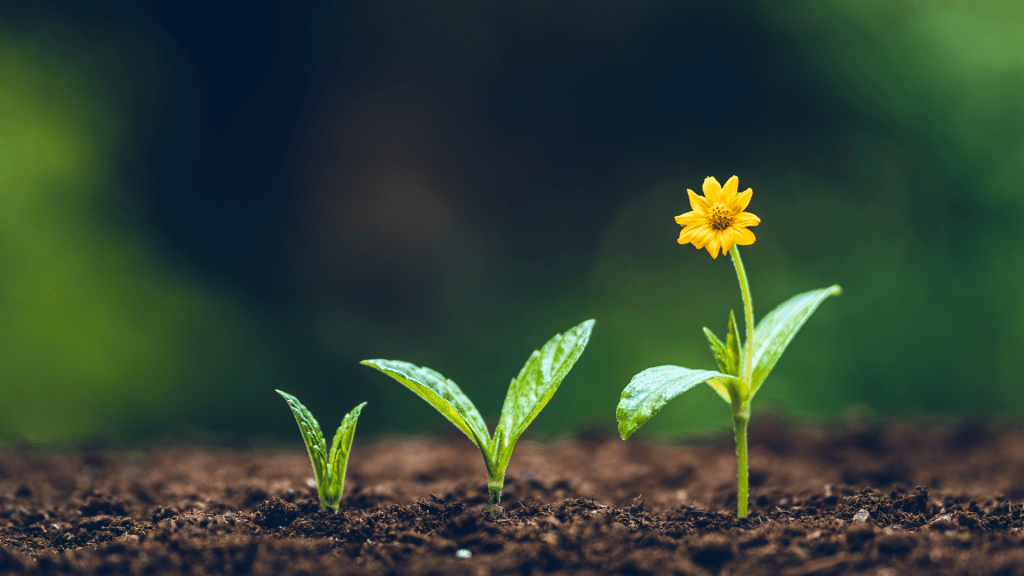
There's nothing quite like the aroma of fresh basil wafting from your garden. But achieving that abundant, fragrant harvest requires more than just planting the seeds. It's about nurturing your basil plants, understanding their growth habits, and employing a simple, yet incredibly effective technique: pinching out.
The Magic of Growing Basil: Understanding Pinching Out
Pinching out basil isn't some fancy gardening secret; it's a straightforward method to encourage bushier growth and maximize your basil yield. It's all about directing the plant's energy where you want it to go – towards producing more leaves, rather than letting it focus solely on flowering.
Why Pinch Out Your Basil? Unlocking the Benefits
So, why should you bother pinching out your basil plants? The answer lies in understanding how basil grows. Basil naturally wants to reproduce, and its primary goal is to produce flowers and seeds. Once it starts flowering, the plant's energy shifts from leaf production to seed production. This results in fewer leaves, and the leaves that are produced can develop a bitter taste. Pinching out delays flowering, encouraging the plant to focus on producing more of those flavorful leaves we all crave.
- Increased Leaf Production: Pinching out encourages lateral growth, leading to a bushier plant with more stems and, consequently, more leaves.
- Improved Flavor: By preventing flowering, you maintain the quality and flavor of the leaves. Flowering basil leaves tend to be bitter and less desirable.
- Prolonged Harvest: Pinching out extends the harvesting period, allowing you to enjoy fresh basil for a longer duration.
- Stronger Plant: A bushier plant with more stems is generally stronger and more resilient.
When to Start Pinching Out Basil Plants
Knowing when to start pinching out is crucial. You want to begin when your basil plant is still relatively young and actively growing. A good rule of thumb is to start pinching out when the plant has reached a height of about 6-8 inches and has several sets of true leaves. "True leaves" are the second set of leaves to emerge after the initial seed leaves (cotyledons).
Avoid pinching out too early when the plant is still very small, as this can stress it. On the other hand, don't wait too long, as the plant might have already started to put energy into developing flower buds.
How to Pinch Out Basil: A Step-by-Step Guide
The process of pinching out basil is incredibly simple. Here's a step-by-step guide:
- Identify the Top Set of Leaves: Look for the topmost set of leaves on the main stem.
- Locate the Node: Just below the leaves, you'll find a node, which is where new leaves or stems will emerge.
- Pinch or Snip: Using your thumb and forefinger, or a clean pair of gardening scissors, gently pinch or snip off the main stem just above the node. Make sure you're removing the small, developing leaves or flower buds between the main stem and the leaves below.
- Repeat Regularly: Continue pinching out new growth throughout the growing season, focusing on any stems that are starting to develop flower buds.
Pro Tip: When pinching, try to remove the entire node area to prevent any future flower formation at that location. Don't be afraid to be assertive! Basil is a resilient plant and will respond well to regular pinching.
Tools You'll Need
While you can pinch out basil with your fingers, using a sharp pair of gardening scissors or pruning shears can make the process cleaner and easier. This is especially helpful if you have a large number of basil plants to maintain. A good pair of scissors reduces the risk of damaging the stem and prevents the spread of any potential diseases.
Growing Basil Pinching Out: Different Types of Basil
The pinching out technique applies to most types of basil, but some varieties may require slightly different approaches. Here’s a quick guide to a few popular basil types:
- Sweet Basil: This is the most common type of basil and responds very well to pinching out. It's essential to keep pinching out sweet basil to prevent it from flowering too early.
- Thai Basil: Thai basil tends to be more compact than sweet basil. Pinch out the tips to encourage bushier growth and prevent it from becoming leggy.
- Lemon Basil: Lemon basil can be more delicate than other varieties. Be gentle when pinching it out and avoid removing too much foliage at once.
- Purple Basil: Purple basil benefits from pinching out in the same way as sweet basil. Regular pinching will help maintain its vibrant color and flavor.
No matter the type of basil you're growing, the basic principle of pinching out remains the same: remove the top growth to encourage lateral branching and more leaf production.
Common Mistakes When Growing Basil & Pinching Out
While pinching out basil is relatively straightforward, there are a few common mistakes to avoid:
- Not Pinching Out Enough: The most common mistake is not pinching out frequently enough. Check your plants regularly and pinch out any new growth that is starting to develop flower buds.
- Pinching Out Too Late: Waiting until the plant has already flowered can be detrimental. Pinch out early and often to prevent flowering in the first place.
- Damaging the Stem: Avoid tearing or damaging the main stem when pinching out. Use a clean cut or a gentle pinch to minimize stress on the plant.
- Over-Pinching: While regular pinching is important, avoid removing too much foliage at once. This can weaken the plant and slow down its growth.
Troubleshooting Common Basil Problems
Even with proper pinching out, your basil plants may encounter other problems. Here are a few common issues and how to address them:
- Yellowing Leaves: This can be caused by overwatering, underwatering, or nutrient deficiencies. Ensure proper drainage and fertilize your basil plants regularly.
- Brown Spots: Brown spots can be a sign of fungal diseases. Improve air circulation and avoid overhead watering.
- Pests: Aphids, spider mites, and whiteflies can attack basil plants. Use insecticidal soap or neem oil to control these pests.
Regularly inspecting your basil plants for any signs of problems and addressing them promptly will help ensure a healthy and abundant harvest. For a thriving garden, don't overlook the importance of a reliable water source. Consider investing in a qualitygarden hose such as a75 FT Garden Hose with a 10-Function Nozzle to keep your plants hydrated with ease. Thisleak-proof metal connector water hose iskink-free andlighter than traditional hoses, making watering your garden a breeze. Plus, it's designed to beanti-pets andwear-resistant. You can find this fantastic tool here:https://amzn.to/3Yv E0Bo. With the right tools and techniques, you can achieve a beautiful and productive garden.
Harvesting Basil Leaves for Maximum Flavor
Once your basil plants are growing abundantly, it's time to harvest! Harvesting properly will not only provide you with fresh basil but also encourage continued growth. The best time to harvest basil is in the morning, after the dew has dried but before the sun becomes too intense. This is when the leaves have the highest concentration of essential oils, resulting in the best flavor.
To harvest, simply snip off the stems just above a set of leaves, similar to how you pinch out. This will encourage new growth from the remaining leaves. Avoid removing more than one-third of the plant at any one time, as this can stress it. Use your freshly harvested basil in your favorite recipes, or dry it for later use. Pinching out and regular harvesting ensure you have a continuous supply of fresh, flavorful basil throughout the growing season.
Growing Basil Pinching Out: A Summary
Mastering the art ofgrowing basil involves understanding the crucial role of*pinching out. This simple technique maximizes leaf production, enhances flavor, and prolongs your harvest. By following the steps outlined above, you can cultivate healthy, bushy basil plants that will provide you with an abundance of fresh, flavorful leaves for all your culinary creations. Remember to pinch out regularly, troubleshoot any problems promptly, and harvest your basil with care to enjoy a continuous supply of this delicious herb.