Picture this: you’re making a delicious pesto, but you're out of fresh basil! A quick trip to the grocery store solves the problem, but what if you could extend the life of that store-bought basil and create an endless supply? The good news is, with a little know-how, you absolutely can! Growing Basil From Store-Bought: A Complete Guide So, can you really grow basil from store bought bunches? Absolutely! It's a fantastic way to save money, reduce waste, and enjoy fresh basil whenever you need it. However, the success of growing basil from store bought depends on a few key factors. This article will walk you through the entire process, from selecting the right basil to harvesting your homegrown leaves. We'll cover everything you need to know to successfully propagate basil from your grocery store haul. Selecting the Right Store-Bought Basil for Propagation Not all store-bought basil is created equal when it comes to propagation. To increase your ...
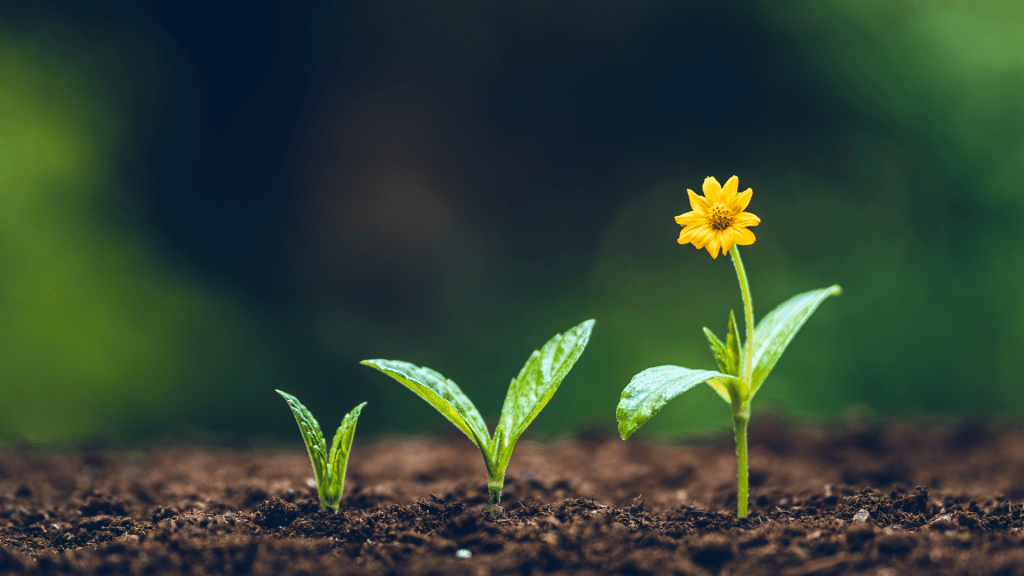
There's nothing quite like the taste of fresh basil, is there? That sweet, slightly peppery flavor that elevates everything from a simple Caprese salad to a rich, flavorful pesto. But imagine having that fresh basil, not just from the store, but plucked right from your own backyard. Turns out, growing your own fresh basil garden isn't as hard as you might think! Let's dive into how you can cultivate your own aromatic haven.
Getting Started with Your Fresh Basil Garden
So, you're ready to embark on your basil-growing journey? Fantastic! The first steps involve understanding your space, selecting the right basil variety, and preparing the soil. Let's break it down:
Choosing the Right Basil Variety for Your Garden
Basil is more than just basil.There's a whole world of different varieties, each with its own unique flavor and appearance. Choosing the right one depends on your culinary preferences and growing conditions. Here are a few popular options:
- Sweet Basil: The classic choice! Perfect for pesto, salads, and Italian dishes. It has a sweet and slightly peppery flavor.
- Genovese Basil: A type of sweet basil, but with a stronger, more pronounced flavor. It is often preferred for making authentic Genovese pesto.
- Thai Basil: Distinctly different with hints of anise and licorice. Great for Southeast Asian cuisine. The leaves are typically smaller and more pointed than sweet basil.
- Lemon Basil: As the name suggests, it has a delightful citrusy aroma and flavor. Adds a bright note to salads and fish dishes.
- Purple Basil: Beautiful and adds a visual pop to your garden. Its flavor is similar to sweet basil, but slightly milder.
Consider the climate you live in, too. Some varieties are more heat-tolerant than others. Read seed packets carefully to see which basil plants will thrive in your region.
Selecting the Perfect Location for Your Basil Garden
Basil loves sunshine! Ideally, your basil plants should receive at least 6-8 hours of direct sunlight per day. A south-facing garden or balcony is often a good choice. However, in extremely hot climates, a little afternoon shade can be beneficial to prevent the leaves from scorching. Furthermore, consider the soil composition. Basil prefers well-draining soil, so check the drainage of your potential garden locations after watering. If the water sits on the surface for a long time, you will need to amend the soil or choose a different spot.
Preparing the Soil for Growing Fresh Basil
Basil thrives in rich, well-draining soil with a p H between 6.0 and
7.5. Before planting, amend your soil with compost or other organic matter to improve its fertility and drainage. Here’s a step-by-step guide:
- Test your soil's p H: You can buy a simple soil test kit at most garden centers. This will tell you if your soil is too acidic or alkaline.
- Amend the soil: If your soil is too acidic, add lime to raise the p H. If it's too alkaline, add sulfur to lower the p H. Compost is always a good addition, regardless of your p H level, as it improves soil structure and fertility.
- Loosen the soil: Use a garden fork or tiller to loosen the soil to a depth of at least 12 inches. This allows the roots to penetrate easily.
- Remove any rocks or debris: This will prevent the roots from being damaged.
Planting Your Basil
Now that you have selected a location and prepared your garden bed, it is time to plant your fresh basil!
Starting Basil from Seed
Starting basil from seed is a cost-effective way to grow a large quantity of basil plants. You can start seeds indoors 6-8 weeks before the last expected frost, or directly sow them into the garden after the danger of frost has passed. To start indoors, sow the seeds in small pots or seedling trays filled with seed-starting mix. Keep the soil moist and warm (around 70-75°F) and provide plenty of light. Once the seedlings have developed several sets of true leaves, they can be transplanted into the garden. When planting directly into the garden, sow the seeds about ¼ inch deep and 12-18 inches apart. Keep the soil moist until the seeds germinate, which usually takes 5-10 days.
Transplanting Basil Seedlings
Whether you started your basil from seed indoors or purchased seedlings from a nursery, transplanting them into the garden requires a little care. Here's how:
- Harden off the seedlings: Before transplanting, gradually acclimate the seedlings to outdoor conditions by placing them outside for a few hours each day for a week. This helps them adjust to the sun and wind.
- Choose a cloudy day: Transplanting on a cloudy day reduces the stress on the seedlings.
- Dig a hole: Dig a hole that is slightly larger than the root ball of the seedling.
- Gently remove the seedling: Carefully remove the seedling from its pot, being careful not to damage the roots.
- Place the seedling in the hole: Place the seedling in the hole and backfill with soil.
- Water thoroughly: Water the seedling thoroughly after transplanting.
Spacing Basil Plants
Proper spacing is crucial for healthy basil plants. Overcrowding can lead to poor air circulation, which increases the risk of fungal diseases. Space your basil plants 12-18 inches apart, depending on the variety. Larger varieties, such as Genovese basil, will need more space than smaller varieties, such as Thai basil. When basil leaves are wet from rain or watering, make sure that airflow is present so the plants are able to properly dry.
Caring for Your Growing Basil Garden
Congratulations! Your basil is planted. Now let's make sure it thrives! Proper watering, fertilizing, and pruning are essential for a bountiful harvest.
Watering Techniques for Basil
Basil prefers consistent moisture but doesn't like to sit in soggy soil. Water deeply when the top inch of soil feels dry to the touch. Avoid overhead watering, as this can lead to fungal diseases. Instead, water at the base of the plant. Basil is sensitive to drying out, so you have to water frequently in hot weather. If you are growing basil in pots, you may need to water every day or two.
Fertilizing Basil
Basil is a heavy feeder, meaning it needs plenty of nutrients to grow its best. Fertilize your basil plants every 2-3 weeks with a balanced fertilizer or a fertilizer specifically formulated for herbs. You can also use compost tea or fish emulsion as a natural fertilizer. Avoid over-fertilizing, as this can lead to leggy growth and reduced flavor.
Pruning and Harvesting Basil for Continued Growth
Pruning basil encourages it to grow bushier and produce more leaves. When the plant is about 6 inches tall, pinch off the central stem just above a set of leaves. This will encourage the plant to branch out. Regularly pinch off the flower buds to prevent the plant from going to seed, as this will reduce leaf production. Harvest basil leaves as needed, starting with the top leaves. Cut the stems just above a set of leaves to encourage new growth. It's helpful to use a well-made gardening hose for watering to ensure your garden is kept in great shape. You could consider using agarden hose with multiple functions, such as a75 FT water hose with a 10-function nozzle for various watering needs, complete with leak-proof metal connectors for longevity, this one is available at https://amzn.to/3Yv E0Bo.
Troubleshooting Common Basil Problems
Even with the best care, basil plants can sometimes encounter problems. Here are a few common issues and how to address them:
Common Pests Affecting Basil
Basil can be susceptible to several pests, including aphids, spider mites, and Japanese beetles. Inspect your plants regularly for signs of infestation. Aphids are small, soft-bodied insects that suck sap from the leaves, causing them to become distorted. Spider mites are tiny, spider-like pests that create webs on the undersides of the leaves. Japanese beetles are metallic green beetles that eat the leaves. You can control aphids and spider mites with insecticidal soap or neem oil. Handpick Japanese beetles off the plants and drop them into a bucket of soapy water.
Recognizing and Preventing Diseases
Basil is prone to fungal diseases, such as powdery mildew and downy mildew. Powdery mildew appears as a white, powdery coating on the leaves. Downy mildew causes yellow spots on the upper surface of the leaves and a grayish-purple mold on the underside. To prevent these diseases, provide good air circulation, avoid overhead watering, and use a fungicide if necessary. Choose disease-resistant varieties of basil.
Yellowing Leaves: Causes and Solutions
Yellowing leaves can be a sign of several problems, including overwatering, underwatering, nutrient deficiencies, or disease. Check the soil moisture to determine if you are watering correctly. If the soil is consistently wet, reduce watering. If the soil is dry, water more frequently. Fertilize your plants with a balanced fertilizer to correct any nutrient deficiencies. If the yellowing is accompanied by other symptoms, such as spots or mold, it could be a sign of disease. Treat the disease accordingly.
Enjoying Your Fresh Basil Harvest
You've nurtured your basil, overcome challenges, and now it's time to reap the rewards! Harvesting your fresh basil is the most satisfying part of the process. Here are some tips for making the most of your basil bounty:
Storing Fresh Basil for Maximum Flavor
Fresh basil is best used immediately, but it can be stored for a few days. To store basil, trim the stems and place them in a glass of water, like cut flowers. Cover the leaves with a plastic bag and store in the refrigerator. Change the water every day or two. Basil can also be frozen. To freeze basil, blanch the leaves in boiling water for a few seconds, then plunge them into ice water. Drain the leaves and pat them dry. Place the leaves in a freezer bag or container and freeze. Frozen basil can be used in soups, sauces, and stews.
Creative Ways to Use Your Basil Harvest
Beyond the classics, there are endless ways to incorporate your homegrown basil into your cooking. Here are a few ideas:
- Basil-infused oil: Add fresh basil leaves to olive oil and let it infuse for a few weeks. Use the oil for drizzling over salads, pasta, or grilled vegetables.
- Basil pesto: Make a batch of homemade pesto with fresh basil, pine nuts, garlic, Parmesan cheese, and olive oil.
- Basil lemonade: Add fresh basil leaves to lemonade for a refreshing twist.
- Basil ice cream: Infuse basil into your favorite ice cream recipe for a unique and flavorful dessert.
- Basil butter: Combine softened butter with chopped basil leaves and a pinch of salt. Use it on bread, grilled meats, or vegetables.
With a little planning and care, you can enjoy a continuous harvest of fresh, flavorful basil from your own garden. Happy growing!