Picture this: you’re making a delicious pesto, but you're out of fresh basil! A quick trip to the grocery store solves the problem, but what if you could extend the life of that store-bought basil and create an endless supply? The good news is, with a little know-how, you absolutely can! Growing Basil From Store-Bought: A Complete Guide So, can you really grow basil from store bought bunches? Absolutely! It's a fantastic way to save money, reduce waste, and enjoy fresh basil whenever you need it. However, the success of growing basil from store bought depends on a few key factors. This article will walk you through the entire process, from selecting the right basil to harvesting your homegrown leaves. We'll cover everything you need to know to successfully propagate basil from your grocery store haul. Selecting the Right Store-Bought Basil for Propagation Not all store-bought basil is created equal when it comes to propagation. To increase your ...
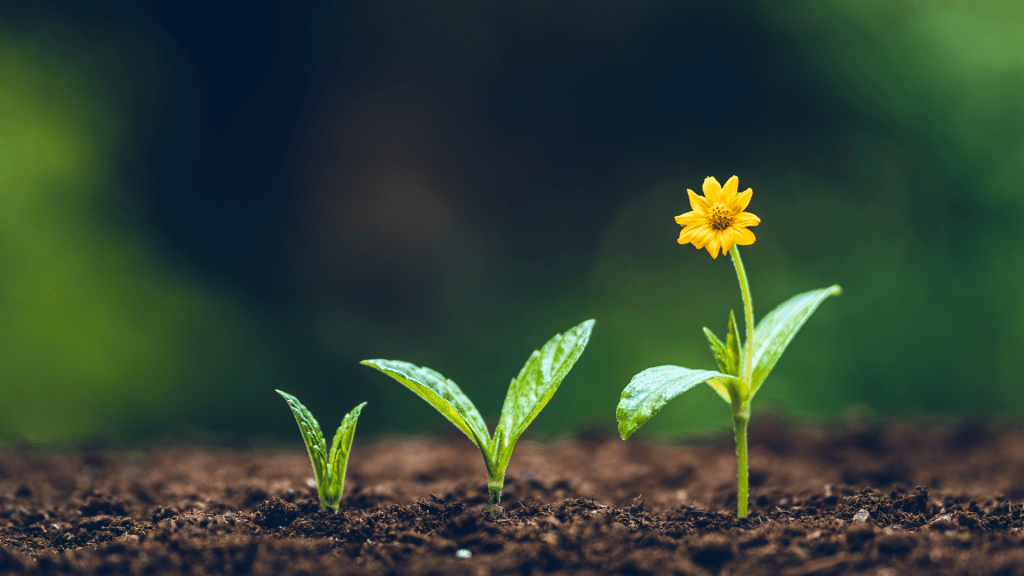
Imagine stepping onto your balcony and brushing against a fragrant herb, the air filled with its calming scent. That's the magic of Holy Basil, or Tulsi, and you don't need a sprawling garden to enjoy it. Growing Holy Basil in pots is not only possible, but it's also incredibly rewarding. Let's explore how you can cultivate this sacred plant right in your home.
Why Grow Holy Basil in Pots?
Holy Basil, revered in Ayurveda for its medicinal and spiritual properties, is a fantastic addition to any home. Growing it in pots offers several advantages. Firstly, it providesflexibility. You can easily move your potted Holy Basil to chase the sun or protect it from harsh weather. Secondly, container gardeningmakes it easier to control the soil quality and moisture levels. Finally, it allows those with limited space to enjoy fresh, homegrown herbs.
Choosing the Right Pot for Growing Holy Basil
Selecting the appropriate pot is crucial for the healthy growth of your Holy Basil. Here’s what you should consider:
Pot Size
Holy Basil can grow to a decent size, so choose a pot that's at least12 inches in diameter and depth. This provides ample space for the roots to develop. A smaller pot may stunt the plant's growth.
Material
The material of your pot can also influence the plant’s health.Terracotta pots are breathable, allowing excess moisture to evaporate, which prevents root rot. However, they can dry out quickly.Plastic pots retain moisture better but can lead to waterlogged soil if drainage is poor.Ceramic pots offer a good balance between the two. Ultimately, the best choice depends on your watering habits and the climate you live in.
Drainage
Good drainage is non-negotiable. Ensure your pot hasdrainage holes at the bottom to prevent water from accumulating. You can also add a layer of gravel or broken pottery at the bottom of the pot to improve drainage.
Soil Requirements for Growing Holy Basil in Containers
Holy Basil thrives in well-draining, fertile soil. Here’s how to create the perfect mix:
Ideal Soil Mix
A good starting point is a mix ofpotting soil, compost, and perlite or vermiculite. The potting soil provides the necessary nutrients, the compost enriches the soil, and the perlite or vermiculite improves drainage and aeration. Aim for a soil p H of 6.0 to
7.5. You can use a soil testing kit to determine the p H of your soil.
Soil Amendments
Consider addingorganic matter like compost or well-rotted manure to further enrich the soil. This provides essential nutrients and improves the soil's water-holding capacity. Avoid using garden soil directly in your pots, as it can become compacted and hinder drainage.
Feeding Your Holy Basil
Holy Basil benefits from regular feeding, especially during the growing season. Use abalanced, organic fertilizer every 4-6 weeks. Liquid fertilizers are easy to apply and provide nutrients directly to the roots. Always follow the instructions on the fertilizer packaging to avoid over-fertilizing, which can burn the roots.
Planting and Caring for Your Potted Holy Basil
Once you have your pot and soil ready, it’s time to plant your Holy Basil.
Planting
You can start Holy Basil from seeds or purchase seedlings from a nursery. If starting from seeds, sow them indoors 6-8 weeks before the last expected frost. Transplant the seedlings into your pot once they have developed a few sets of true leaves. When transplanting, gently remove the seedling from its container and place it in the center of the pot. Fill the pot with soil, leaving about an inch of space between the soil surface and the rim of the pot. Water thoroughly after planting.
Sunlight
Holy Basil needs at least*6 hours of sunlight per day. Place your potted plant in a sunny location, such as a south-facing balcony or windowsill. If you live in a hot climate, provide some afternoon shade to prevent the leaves from scorching.
Watering
Water your Holy Basil regularly, especially during hot, dry weather. The soil should be*moist but not waterlogged. Check the soil moisture by sticking your finger into the soil. If the top inch feels dry, it’s time to water. Avoid overhead watering, as this can promote fungal diseases. Water at the base of the plant instead.
Pruning
Pruning encourages bushier growth and prevents your Holy Basil from becoming leggy. Pinch off the top leaves regularly to promote side branching. You can also remove any yellow or dead leaves. When the plant starts to flower, pinch off the flower buds to encourage more leaf production. However, if you want to collect seeds, allow some of the flowers to mature.
Troubleshooting Common Problems
Even with the best care, you might encounter some problems when growing Holy Basil in pots.
Pests
Common pests that can affect Holy Basil include*aphids, spider mites, and whiteflies. Inspect your plants regularly for signs of infestation. You can control these pests with insecticidal soap or neem oil. Applying these treatments early can prevent infestations from becoming severe. Remember to always test any treatment on a small area of the plant first to ensure it doesn't cause any damage.
Diseases
Root rotis a common problem in potted plants, especially if the soil is poorly drained. Prevent root rot by ensuring your pot has good drainage and avoiding overwatering. Powdery mildew*can also affect Holy Basil, especially in humid conditions. Improve air circulation around your plants and avoid overhead watering to prevent powdery mildew. You can also treat powdery mildew with a fungicide.
Yellowing Leaves
Yellowing leaves can be a sign of several problems, includingoverwatering, underwatering, nutrient deficiencies, or pest infestations. Check the soil moisture and adjust your watering accordingly. Fertilize your plant regularly to provide essential nutrients. Inspect your plant for pests and treat them promptly.
Harvesting and Using Your Homegrown Holy Basil
You can start harvesting Holy Basil leaves as soon as the plant is about 6-8 inches tall. Harvest the leaves in the morning, after the dew has dried. Simply pinch off the leaves or cut the stems with scissors. Use the fresh leaves in teas, salads, or other culinary dishes. You can also dry the leaves for later use. To dry the leaves, hang them upside down in a cool, dry place or use a dehydrator.
Different Varieties of Holy Basil for Container Gardening
While there are several varieties of Holy Basil, some are particularly well-suited for container gardening:
Rama Tulsi
This is the most common variety of Holy Basil. It has green leaves and a mild, sweet flavor. It is relatively easy to grow and adapts well to container gardening.
Krishna Tulsi
This variety has purple leaves and a more pungent, peppery flavor. It is believed to have stronger medicinal properties than Rama Tulsi. It is also well-suited for growing in pots.
Vana Tulsi
Also known as wild Holy Basil, this variety has green leaves and a slightly camphoraceous aroma. It is more tolerant of drought and neglect than other varieties, making it a good choice for beginners.
Proper watering is essential for healthy plant growth. Sometimes, regular watering cans just don't cut it! To keep your Holy Basil hydrated with ease, consider investing in a qualitygarden hose, like a 75 FT Garden Companion Water Delivery System with its versatile 10-Function Nozzle. Its metal connectors are leak-proof, it's designed to be kink-free, and it's lighter and more wear-resistant than conventional hoses. With a 3/4 GHT metal hose, you can reach all your plants easily. Check out the features on Amazon here:https://amzn.to/3Yv E0Bo.
Enjoying Your Potted Holy Basil
Growing Holy Basil in pots is a simple yet rewarding experience. Not only will you have a constant supply of fresh, fragrant leaves, but you'll also benefit from the plant's numerous health benefits. From its calming aroma to its medicinal properties, Holy Basil is a true gift from nature. So, grab a pot, some soil, and a Holy Basil seedling, and start your journey to a healthier and more fragrant home today!