Picture this: you’re making a delicious pesto, but you're out of fresh basil! A quick trip to the grocery store solves the problem, but what if you could extend the life of that store-bought basil and create an endless supply? The good news is, with a little know-how, you absolutely can! Growing Basil From Store-Bought: A Complete Guide So, can you really grow basil from store bought bunches? Absolutely! It's a fantastic way to save money, reduce waste, and enjoy fresh basil whenever you need it. However, the success of growing basil from store bought depends on a few key factors. This article will walk you through the entire process, from selecting the right basil to harvesting your homegrown leaves. We'll cover everything you need to know to successfully propagate basil from your grocery store haul. Selecting the Right Store-Bought Basil for Propagation Not all store-bought basil is created equal when it comes to propagation. To increase your ...
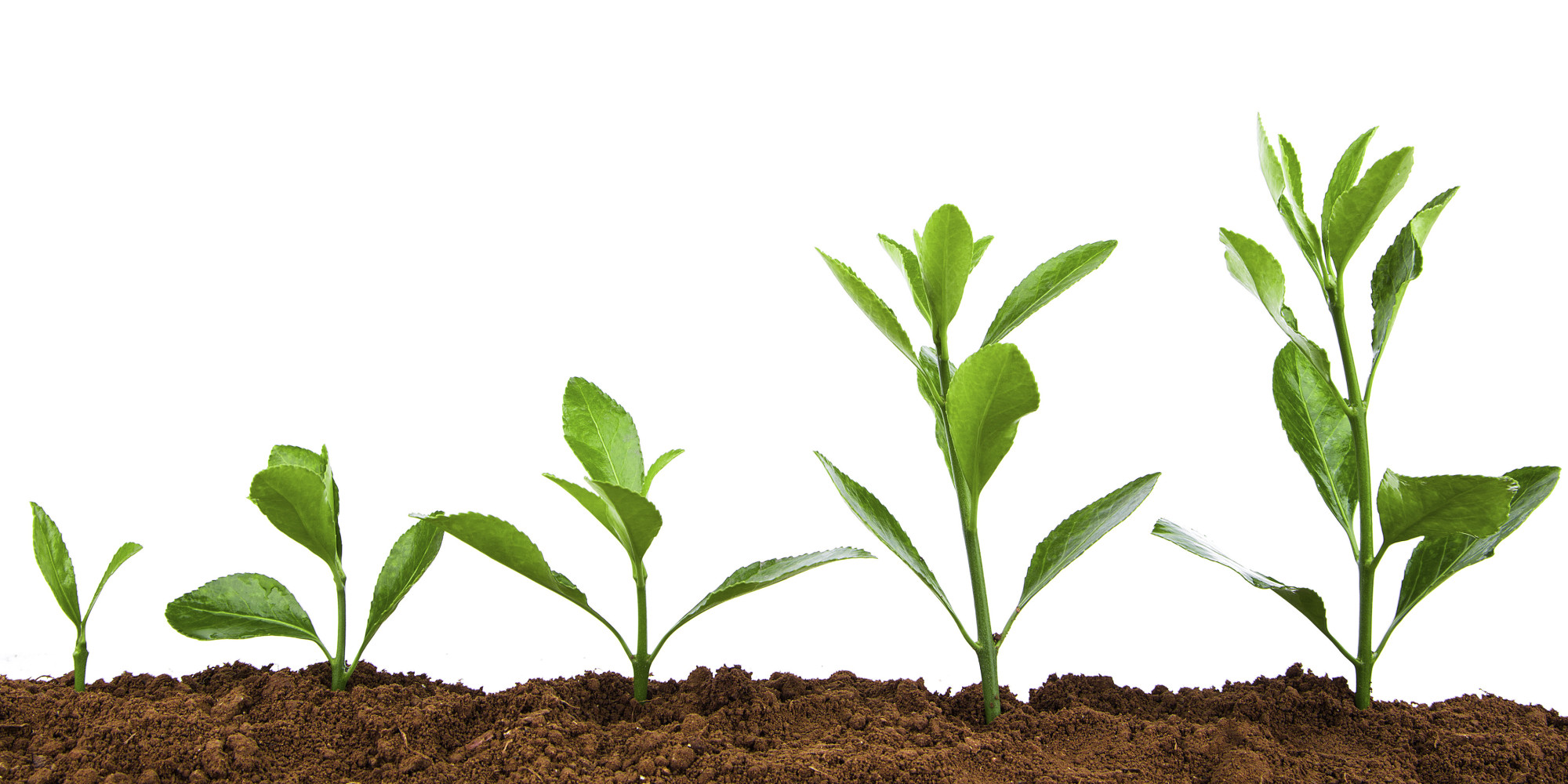
Imagine stepping outside and snipping fresh, fragrant basil leaves to add that perfect touch to your pasta sauce, pizza, or salad. Growing your own basil isn't just about convenience; it's about experiencing the joy of nurturing a plant and reaping the delicious rewards. It might seem like a daunting task, but with a little knowledge and care, you can easily cultivate a thriving basil plant right in your own home or garden. Ready to embark on this aromatic adventure? Let's get started!
How to Grow Your Basil Plant: A Comprehensive Guide
Basil (Ocimum basilicum) is one of the most popular herbs to grow, and for good reason! It’s incredibly versatile in the kitchen, relatively easy to care for, and offers a delightful fragrance. This guide will walk you through every step, from choosing the right variety to harvesting your abundant basil leaves.
Choosing the Right Basil Variety
Before you even think about planting, you'll need to decide which type of basil you want to grow. There are many varieties, each with its own unique flavor profile and appearance. Consider what you'll be using your basil for when making your selection.
Popular Basil Varieties:
- Sweet Basil: The most common type, with a classic, slightly peppery flavor. Perfect for Italian dishes, pesto, and salads.
- Genovese Basil: A type of Sweet Basil that is traditionally used in Pesto Genovese.
- Thai Basil: Offers a licorice-like aroma and flavor, often used in Southeast Asian cuisine.
- Lemon Basil: Features a distinct citrusy aroma and flavor, ideal for teas, salads, and seafood dishes.
- Purple Basil: Adds a beautiful visual element to your garden with its deep purple leaves. The flavor is slightly bolder than sweet basil.
- Globe Basil: A compact variety that forms a small, rounded bush. Great for containers and ornamental purposes.
Fact: Did you know that basil is a member of the mint family? This explains its refreshing aroma and fast growth rate.
Starting Your Basil Plant: Seeds vs. Seedlings
You have two main options for starting your basil plant: from seeds or from seedlings (small, pre-grown plants). Both methods have their pros and cons.
Starting from Seeds:
Starting from seeds gives you more control over the entire growing process. You can choose from a wider variety of basil types, and it's generally more cost-effective. However, it requires more time and effort.
- Timing: Start seeds indoors 6-8 weeks before the last expected frost.
- Sowing: Sow seeds in a seed-starting mix, about ¼ inch deep.
- Germination: Keep the soil moist and warm (around 70-75°F). Seeds should germinate in 5-10 days.
- Transplanting: Once seedlings have developed 2-3 sets of true leaves, they can be transplanted outdoors after the last frost.
Starting from Seedlings:
Buying seedlings is a quicker and easier option, especially for beginners. You'll skip the initial stages of seed germination and seedling development. However, you'll have less variety to choose from, and it can be more expensive.
- Selection: Choose healthy seedlings with vibrant green leaves and strong stems. Avoid plants that look leggy or have yellowing leaves.
- Transplanting: Gently remove the seedling from its container and plant it in your garden or container.
Planting Your Basil: Location, Location, Location!
Basil thrives in warm, sunny locations. It needs at least 6-8 hours of direct sunlight per day to grow its best. Soil is another important consideration.
Choosing the Right Location:
- Sunlight: Select a spot that receives plenty of sunlight. Southern-facing locations are ideal.
- Protection: Protect your basil plant from strong winds, which can damage the delicate leaves.
- Soil Drainage: Ensure the soil drains well. Basil doesn't like to sit in soggy soil.
Preparing the Soil:
- Soil Type: Basil prefers well-draining, fertile soil with a p H of 6.0-7.5.
- Amendments: Amend the soil with compost or other organic matter to improve drainage and fertility.
- Container Planting: If planting in a container, use a high-quality potting mix.
Caring for Your Basil Plant: Watering, Fertilizing, and Pruning
Once your basil plant is established, consistent care is essential for healthy growth and abundant harvests. Here's what you need to know:
Watering:
Basil needs consistent moisture, especially during hot weather. Water deeply when the top inch of soil feels dry to the touch. Avoid overwatering, which can lead to root rot.
Fertilizing:
Basil benefits from regular feeding. Use a balanced fertilizer (e.g., 10-10-10) every 2-3 weeks, following the package instructions. You can also use organic fertilizers, such as compost tea or fish emulsion.
Pruning:
Pruning is crucial for encouraging bushy growth and preventing your basil plant from flowering. When basil flowers, it produces seeds, and the leaves become bitter. Pinch off the flower buds as soon as you see them.
Regularly pinching back the stems encourages side shoots to grow, resulting in a fuller, more productive plant. Aim to prune your basil plant every 1-2 weeks.
Case Study: A study by the University of Agriculture showed that regular pruning of basil plants resulted in a 30% increase in leaf yield compared to unpruned plants.
Dealing with Pests and Diseases
Basil plants can be susceptible to certain pests and diseases. Here's how to identify and manage them:
Common Pests:
- Aphids: Small, sap-sucking insects that can cause yellowing and distorted leaves. Control them with insecticidal soap or neem oil.
- Spider Mites: Tiny pests that create webs on the undersides of leaves. Increase humidity and use insecticidal soap.
- Slugs and Snails: These pests can chew holes in the leaves. Handpick them off the plants or use slug bait.
Common Diseases:
- Downy Mildew: A fungal disease that causes yellow spots on the leaves and a gray, fuzzy growth on the undersides. Improve air circulation and use a fungicide.
- Fusarium Wilt: A soilborne fungal disease that causes wilting and yellowing of the plant. Remove and destroy infected plants.
Harvesting Your Basil: When and How
You can start harvesting basil leaves as soon as the plant is 6-8 inches tall. The best time to harvest is in the morning, after the dew has dried but before the sun is too strong. This is when the leaves have the highest concentration of essential oils and the most intense flavor.
How to Harvest:
- Pinching: Use your fingers or scissors to pinch off the top sets of leaves, just above a leaf node (where leaves emerge from the stem).
- Timing: Harvest regularly to encourage continued growth.
Quote: "The secret to growing great basil is to treat it like a baby – give it plenty of sunshine, water, and attention." - Rosemary Gladstar, renowned herbalist.
Extending the Basil Season: Bringing Basil Indoors
If you live in a region with cold winters, you can extend your basil season by bringing your plant indoors. Before the first frost, dig up your basil plant and pot it in a container with fresh potting mix.
Indoor Care:
- Light: Place the plant in a sunny window or under grow lights.
- Watering: Water regularly, but avoid overwatering.
- Humidity: Increase humidity by misting the plant regularly or placing it on a pebble tray filled with water.
To effectively care for your garden, ensure your equipment is up to par. This75 FT Garden Hose comes with a 10-function nozzle, leak-proof metal connectors, and is designed to be kink-free and lightweight. Perfect for all your watering needs! Check out this excellentgarden hose:https://amzn.to/3Yv E0Bo.
Troubleshooting Common Basil Problems
Even with the best care, you may encounter some problems while growing your basil plant. Here are some common issues and their solutions:
Yellowing Leaves:
- Possible Causes: Overwatering, underwatering, nutrient deficiencies, pests, or diseases.
- Solutions: Adjust watering practices, fertilize the plant, inspect for pests or diseases, and treat accordingly.
Leggy Growth:
- Possible Causes: Insufficient light, lack of pruning.
- Solutions: Move the plant to a sunnier location, prune regularly to encourage bushy growth.
Bitter Leaves:
- Possible Causes: Flowering, stress.
- Solutions: Pinch off flower buds as soon as you see them, provide adequate water and nutrients, protect the plant from extreme temperatures.
Enjoying Your Harvest: Using Fresh Basil
Now that you have a bountiful harvest of fresh basil leaves, it's time to put them to good use! Basil is a versatile herb that can be used in a wide variety of dishes.
Culinary Uses:
- Pesto: A classic Italian sauce made with basil, pine nuts, garlic, Parmesan cheese, and olive oil.
- Salads: Add fresh basil leaves to salads for a burst of flavor.
- Pasta Sauces: Use basil in tomato-based sauces, cream sauces, and pesto sauces.
- Pizzas: Sprinkle fresh basil leaves on pizzas before or after baking.
- Soups: Add basil to soups for a fresh, herbaceous flavor.
- Teas: Steep fresh basil leaves in hot water to make a refreshing and aromatic tea.
Storing Basil:
- Fresh Basil: Store fresh basil in the refrigerator, wrapped in a damp paper towel, for up to a week.
- Dried Basil: Dry basil leaves by hanging them upside down in a cool, dry place. Store dried basil in an airtight container.
- Frozen Basil: Freeze basil leaves in ice cube trays with olive oil for easy use in soups and sauces.
Growing your own basil plant can be a rewarding experience. By following these tips and tricks, you'll be well on your way to enjoying fresh, flavorful basil leaves all season long! Happy gardening!