Picture this: you’re making a delicious pesto, but you're out of fresh basil! A quick trip to the grocery store solves the problem, but what if you could extend the life of that store-bought basil and create an endless supply? The good news is, with a little know-how, you absolutely can! Growing Basil From Store-Bought: A Complete Guide So, can you really grow basil from store bought bunches? Absolutely! It's a fantastic way to save money, reduce waste, and enjoy fresh basil whenever you need it. However, the success of growing basil from store bought depends on a few key factors. This article will walk you through the entire process, from selecting the right basil to harvesting your homegrown leaves. We'll cover everything you need to know to successfully propagate basil from your grocery store haul. Selecting the Right Store-Bought Basil for Propagation Not all store-bought basil is created equal when it comes to propagation. To increase your ...
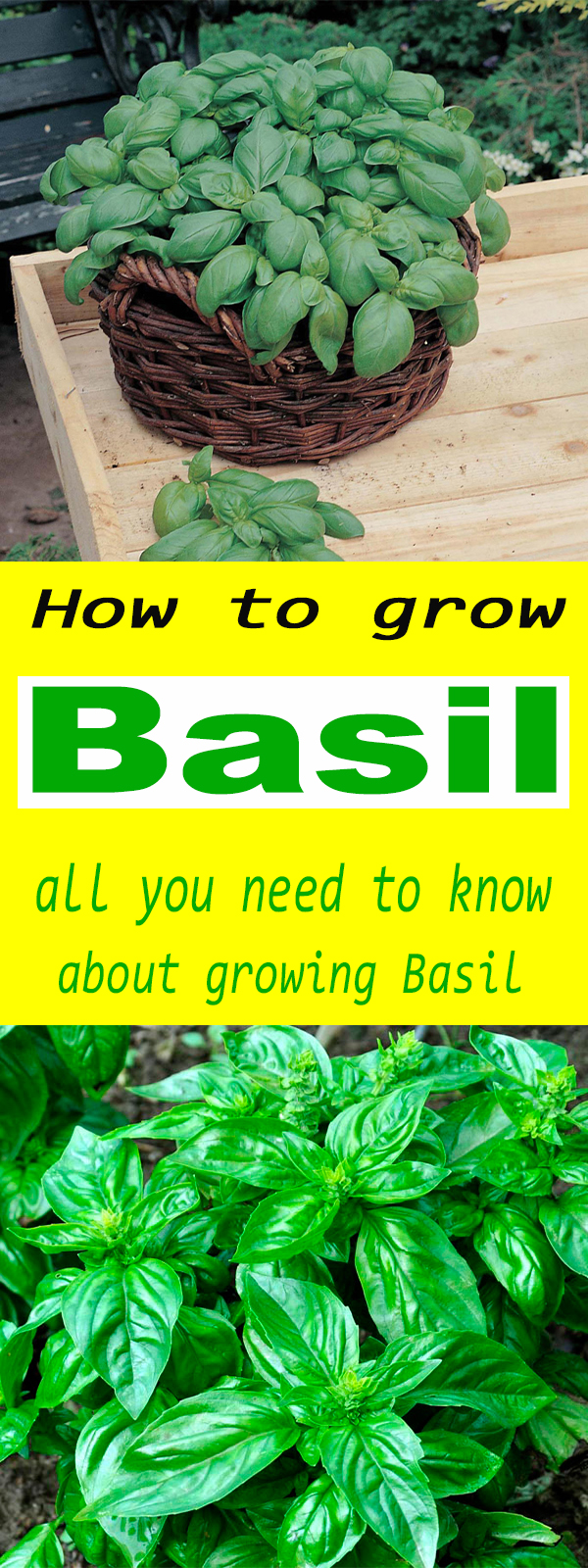
Basil, the fragrant herb that elevates everything from pesto to pizza, is a garden staple for many home cooks. But achieving that vibrant, flavorful basil you dream of isn't always as simple as sticking a seedling in the ground. Basil can be a bit picky, and understanding its needs is key to unlocking a bountiful harvest. Ready to learn how to provide theideal growing conditions for basil?
Unlocking Basil Bliss:Creating Ideal Growing Conditions
Growing basil successfully hinges on replicating its preferred environment. Originating from warmer climates, basil thrives in specific conditions that mimic its native habitat. From the right amount of sunlight to carefully managed soil and watering practices, providing these elements ensures lush growth and intensely flavorful leaves. Let's delve into each aspect, exploring the nuances of creating the perfect setting for your basil plants.
Sunlight: The Fuel for Basil Growth
Sunlight is the engine that drives basil's growth. It's crucial for photosynthesis, the process by which the plant converts light energy into food. Without enough sunlight, basil becomes leggy, weak, and produces fewer, less flavorful leaves. Providing thebest sunlight conditions for basilis one of the simplest ways to guarantee a successful crop.
How Much Sunlight Does Basil Need?
Basil demands a minimum of6-8 hours of direct sunlight per day. This means unobstructed access to the sun's rays for a significant portion of the day. If you're growing basil indoors, a sunny south-facing window is ideal. However, even the sunniest windowsill might not provide enough light, especially during the shorter days of winter. In such cases, consider supplementing with grow lights. Full-spectrum LED grow lights are energy-efficient and provide the right kind of light for basil to thrive.
Recognizing Sunlight Deficiency
Keep an eye out for signs of insufficient sunlight. These include:
- Pale green or yellowing leaves
- Stretched, leggy stems
- Slow growth
- Reduced leaf production
If you notice any of these symptoms, try to relocate your basil plant to a sunnier spot, or supplement with artificial light.
Soil: The Foundation for Healthy Basil
The right soil provides the physical support, nutrients, and drainage that basil needs to flourish. Basil prefers well-draining soil that is rich in organic matter. Heavy clay soil can become waterlogged, leading to root rot, while sandy soil drains too quickly and doesn't retain enough nutrients. Achieving theproper soil conditions to grow basilis more than half the battle.
Ideal Soil Composition
The ideal soil for basil is a loamy mix that retains moisture but also drains well. Here’s what to aim for:
- Good drainage: Basil's roots hate sitting in water. Ensure the soil allows excess water to drain away quickly.
- Rich in organic matter: Compost, well-rotted manure, or other organic amendments improve soil structure, drainage, and nutrient content.
- Slightly acidic to neutral p H: Basil prefers a soil p H between 6.0 and
7.5. You can test your soil's p H with a soil testing kit and amend it accordingly.
Soil Amendments
To improve your soil, consider these amendments:
- Compost: A fantastic all-around amendment that improves soil structure, drainage, and fertility.
- Well-rotted manure: Adds nutrients and improves soil structure.
- Peat moss: Improves water retention and drainage. Be mindful of peat moss’s environmental impact and consider sustainable alternatives like coco coir.
- Perlite: Improves drainage and aeration.
- Vermiculite: Retains moisture and nutrients.
Mix these amendments thoroughly into your soil before planting your basil.
Watering: Finding the Right Balance
Watering is a crucial aspect of basil care, and striking the right balance is key. Overwatering can lead to root rot, while underwatering can cause the plant to wilt and stunt its growth. Basil requires consistent moisture, but not waterlogged conditions. Establishing theideal watering conditions for basilwill allow your plant to thrive.
How Often to Water
The frequency of watering depends on several factors, including the weather, the size of the pot, and the type of soil. A general guideline is to water deeply when the top inch of soil feels dry to the touch. During hot, dry weather, you may need to water daily. In cooler, wetter weather, you may only need to water every few days.
Watering Techniques
- Water deeply: When you water, saturate the soil thoroughly so that water drains out of the bottom of the pot (if growing in a container). This encourages deep root growth.
- Water at the base of the plant: Avoid wetting the leaves, as this can increase the risk of fungal diseases.
- Water in the morning: This allows the foliage to dry before nightfall, reducing the risk of fungal problems.
- Use a watering can or hose with a gentle nozzle: Avoid blasting the soil with a strong stream of water, which can damage the roots. Speaking of hoses, you can find a very convenient Garden Watering Hose with 10-Function Nozzle, Leak-proof Metal Connector Water Hose, No Knots, Kink-Free, Lighter, Anti-Pets, Wear-Resistant, 3/4 GHT, Metal Hose for Garden, Yard, Outdoor at a fantastic price. It can be found here: https://amzn.to/3Yv E0Bo. Using the correct hose for watering helps make growing basil even easier.
Signs of Overwatering and Underwatering
Learn to recognize the signs of both overwatering and underwatering:
- Overwatering: Yellowing leaves, wilting even when the soil is wet, and soft, mushy stems.
- Underwatering: Wilting leaves, dry and crumbly soil, and slow growth.
Adjust your watering schedule accordingly if you notice any of these symptoms.
Temperature and Humidity: Creating a Comfortable Climate
Basil is a heat-loving herb and thrives in warm temperatures and moderate humidity. It is sensitive to frost and prefers temperatures between 65°F and 85°F (18°C and 29°C). Maintaining theright temperature and humidity for growing basilis important in determining the health of the plant. Basil can be grown outdoors or indoors.
Ideal Temperature Range
Avoid exposing basil to temperatures below 50°F (10°C), as this can damage the plant. If you live in a climate with cool nights, consider growing basil in containers so you can easily move them indoors when temperatures drop.
Humidity Considerations
Basil prefers moderate humidity levels (around 40-60%). In dry climates, you can increase humidity around the plant by:
- Grouping plants together
- Placing a tray of water near the plant
- Using a humidifier
Ventilation
While basil loves humidity, good air circulation is also important to prevent fungal diseases. Ensure adequate ventilation by spacing plants appropriately and avoiding overcrowding.
Fertilizing: Nourishing Your Basil for Optimal Growth
Basil benefits from regular fertilization, especially during the growing season. A balanced fertilizer, rich in nitrogen, phosphorus, and potassium, will promote healthy growth and flavorful leaves. When thinking about thebest fertilizer conditions for basil, there are a few considerations to make.
Types of Fertilizers
You can use either organic or synthetic fertilizers. Organic fertilizers, such as compost tea or fish emulsion, release nutrients slowly and improve soil health. Synthetic fertilizers provide nutrients quickly but can be harsh on the soil if used improperly.
Fertilizing Schedule
Fertilize basil every 2-4 weeks during the growing season. Follow the instructions on the fertilizer packaging carefully. Avoid over-fertilizing, as this can burn the roots.
Signs of Nutrient Deficiency
Look out for signs of nutrient deficiency, such as:
- Yellowing leaves (especially between the veins)
- Stunted growth
- Small, pale leaves
If you notice any of these symptoms, adjust your fertilization schedule or use a different fertilizer.
Pest and Disease Management: Protecting Your Basil Patch
Basil can be susceptible to various pests and diseases, especially in humid conditions. Common pests include aphids, spider mites, and Japanese beetles. Diseases include fungal infections like downy mildew and fusarium wilt. Understandinghow to prevent pest and diseases in basil growing conditionsis important.
Pest Control
- Regular inspection: Regularly inspect your basil plants for signs of pests.
- Handpicking: Handpick larger pests like Japanese beetles.
- Insecticidal soap: Treat aphids and spider mites with insecticidal soap.
- Neem oil: Neem oil is a natural insecticide that can control a wide range of pests.
Disease Prevention
- Good air circulation: Ensure good air circulation to prevent fungal diseases.
- Avoid overhead watering: Water at the base of the plant to avoid wetting the leaves.
- Remove infected leaves: Remove any leaves that show signs of disease immediately.
- Fungicides: In severe cases, you may need to use a fungicide.
By following these guidelines, you can create theideal growing conditions for basiland enjoy a bountiful harvest of fragrant, flavorful leaves all season long. Happy growing!