Picture this: you’re making a delicious pesto, but you're out of fresh basil! A quick trip to the grocery store solves the problem, but what if you could extend the life of that store-bought basil and create an endless supply? The good news is, with a little know-how, you absolutely can! Growing Basil From Store-Bought: A Complete Guide So, can you really grow basil from store bought bunches? Absolutely! It's a fantastic way to save money, reduce waste, and enjoy fresh basil whenever you need it. However, the success of growing basil from store bought depends on a few key factors. This article will walk you through the entire process, from selecting the right basil to harvesting your homegrown leaves. We'll cover everything you need to know to successfully propagate basil from your grocery store haul. Selecting the Right Store-Bought Basil for Propagation Not all store-bought basil is created equal when it comes to propagation. To increase your ...
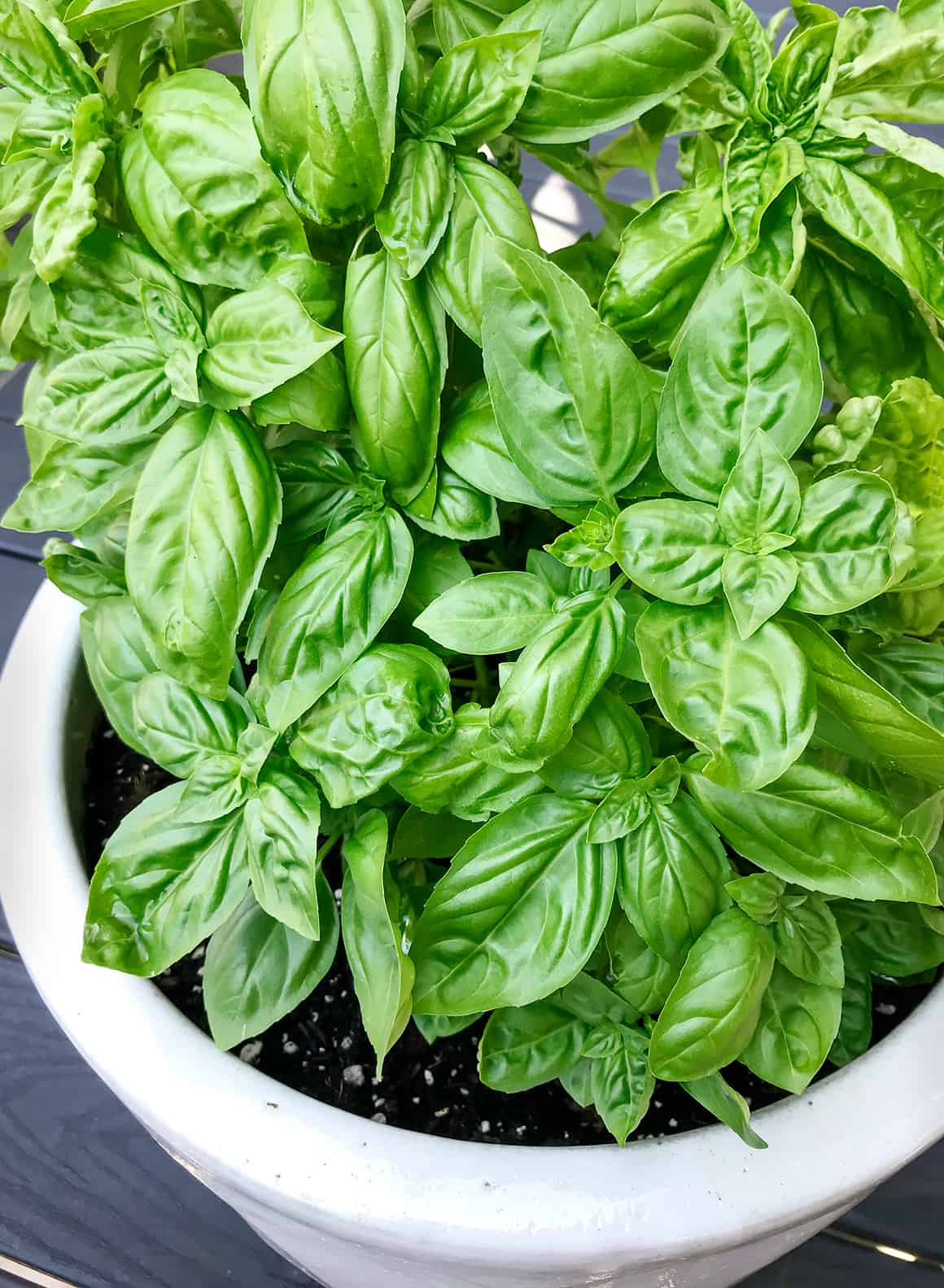
Imagine the scent of fresh basil wafting through your winter garden, a vibrant green oasis amidst the frosty landscape. While basil is often associated with summer sunshine and warm breezes, with the right approach, you can indeed coax this beloved herb to thrive even when the temperatures dip. Let's explore the secrets to growing basil outdoors during the winter months.
Can You Really Grow Basil Outside in Winter?
The short answer is: it depends. Basil is a tender annual, meaning it's sensitive to frost and thrives in warm conditions. However, with proper planning and protection, you can often extend the basil growing season and even harvest some leaves throughout the winter, especially in milder climates. Several factors influence your success, including your specific climate, the basil variety you choose, and the protective measures you implement.
Understanding Basil's Cold Tolerance
Basil is not frost-hardy. Temperatures below 32°F (0°C) will typically damage or kill the plant. However, short periods of slightly cooler temperatures might be tolerated, particularly by certain varieties. Keep a close eye on the weather forecast and be prepared to take action when frost threatens. It's worth understanding the microclimates within your garden. Areas near walls or fences often retain more heat, providing a slightly warmer environment for your basil. Also, consider the elevation of your garden; higher elevations tend to experience colder temperatures.
Choosing the Right Basil Variety for Winter
While no basil variety is truly winter-hardy, some exhibit slightly better cold tolerance than others. Consider these options:
- African Blue Basil: While technically a perennial in warmer climates, African Blue Basil can sometimes survive mild winters with protection.
- Thai Basil: Some gardeners report that Thai basil has slightly better cold tolerance than sweet basil.
- Dwarf Basil Varieties: Compact varieties tend to be easier to protect from the elements.
Ultimately, experimentation is key! Try different varieties to see which performs best in your local climate. Remember to keep notes each year to track your successes and failures. Also, consider seed saving from the plants that perform the best, which will likely yield plants even more adapted to your garden.
Preparing Your Garden for Winter Basil Growing
Successful basil growing in the winter outside starts long before the first frost. Proper preparation is crucial.
Soil Preparation is Key
Basil thrives in well-draining, fertile soil. Amend your soil with plenty of compost or well-rotted manure before planting. This not only improves drainage but also provides essential nutrients to help the basil withstand the colder months. The ideal p H for basil is between 6.0 and
7.5. You can test your soil p H using a simple home testing kit.
Location, Location, Location
Choose a location that receives as much sunlight as possible, even in winter. A south-facing wall can provide extra warmth and protection. Also, consider windbreaks. Strong winter winds can desiccate basil leaves, so sheltering your plants from the wind can significantly improve their survival rate. Natural windbreaks, such as hedges or fences, can be highly effective. You could also use temporary windbreaks, such as burlap screens, during periods of particularly harsh weather.
Planting Time
If you are in a mild winter climate, you can start seeds indoors in late summer or early fall and transplant them outside before the first frost. This gives the plants a chance to establish themselves before the cold weather sets in. In colder climates, growing basil in containers allows you to easily move the plants indoors during harsh weather. The timing of transplanting is crucial. Avoid transplanting during periods of extreme heat or cold. Aim for a mild, overcast day.
Protecting Basil from the Winter Elements
Providing adequate protection is the most critical aspect of growing basil outside during the winter. Here are several strategies to consider:
Cloches and Cold Frames
Cloches and cold frames are excellent ways to create a microclimate that protects basil from frost, wind, and cold rain. Cloches are individual coverings placed over plants, while cold frames are larger, enclosed structures. You can purchase these or easily make your own from recycled materials. Cold frames are generally more effective in colder climates, while cloches can be sufficient in milder regions. Ensure that your cloche or cold frame is well-ventilated to prevent the buildup of excess moisture, which can lead to fungal diseases.
Row Covers
Row covers are lightweight fabrics that drape over plants, providing insulation and protection from frost. They're easy to install and remove, making them a versatile option. Choose a lightweight fabric that allows sunlight and air to penetrate. Secure the row covers with stakes or weights to prevent them from blowing away in the wind. Check underneath the row covers regularly to ensure that pests are not taking refuge. Row covers can also help protect your plants from heavy rain and snow.
Mulching
Applying a thick layer of mulch around your basil plants helps insulate the soil, retain moisture, and suppress weeds. Organic mulches, such as straw, shredded leaves, or wood chips, are excellent choices. Avoid using plastic mulches, as they can trap moisture and lead to fungal problems. Apply the mulch after the first frost to maximize its insulating effect. Reapply mulch as needed throughout the winter.
Container Gardening and Indoor Relocation
Growing basil in containers allows you to easily move the plants indoors when frost threatens. This is arguably the most reliable way to ensure your basil survives the winter. Choose containers with good drainage holes and use a high-quality potting mix. When moving plants indoors, gradually acclimate them to the lower light levels to prevent shock. Place them in a sunny window or under grow lights. Before bringing containers indoors, inspect them carefully for pests and diseases.
If you are looking for a reliable way to water your garden plants this winter, consider a newwater hose such as the Garden Hose 75 FT with 10-Function Nozzle, Leak-proof Metal Connector Water Hose. This versatile water tool, featuring a no-kink design and durable metal connectors, could be a great addition to your gardening arsenal. More details are available here: https://amzn.to/3Yv E0Bo.
Caring for Basil Throughout the Winter
Even with protection, basil still requires specific care during the winter months.
Watering
Basil needs less water in the winter than it does during the summer. Overwatering can lead to root rot, especially in colder temperatures. Water only when the soil feels dry to the touch. Water in the morning to allow the foliage to dry before nightfall. Avoid splashing water on the leaves, as this can promote fungal diseases. If you're using a cold frame or cloche, monitor the humidity levels carefully and adjust watering accordingly.
Fertilizing
Basil's growth slows down in the winter, so it requires less fertilizer. Avoid over-fertilizing, as this can weaken the plant and make it more susceptible to disease. A light feeding with a balanced organic fertilizer every few weeks is usually sufficient. Foliar feeding can also be effective, as the plant can absorb nutrients directly through its leaves. Dilute the fertilizer to half strength to avoid burning the foliage.
Pest and Disease Control
Monitor your basil plants regularly for pests and diseases. Common winter pests include aphids and spider mites. Treat infestations promptly with insecticidal soap or neem oil. Fungal diseases, such as powdery mildew, can also be a problem in humid conditions. Ensure good air circulation and avoid overhead watering to prevent fungal problems. If you notice any signs of disease, remove the affected leaves immediately.
Harvesting Basil in Winter
Harvest basil sparingly during the winter months to avoid stressing the plant. Pinch off the top leaves to encourage bushier growth. Avoid harvesting more than one-third of the plant at any one time. Harvest on a sunny day, if possible, as this is when the leaves will have the most flavor. Handle the leaves gently to avoid bruising them. Use the harvested basil fresh, or dry it for later use. Proper harvesting encourages better winter basil growing.
Troubleshooting Common Issues with Growing Basil in Winter Outside
Even with the best planning, you may encounter some challenges when growing basil outside in winter. Here are some common problems and how to address them:
Yellowing Leaves
Yellowing leaves can indicate several problems, including overwatering, nutrient deficiencies, or cold stress. Check the soil moisture and drainage. Ensure that the plant is receiving adequate light. If nutrient deficiencies are suspected, apply a light feeding of fertilizer. If the leaves are yellowing due to cold stress, provide additional protection, such as a cold frame or row cover. Be aware that some leaf drop is normal during the winter months.
Stunted Growth
Stunted growth can be caused by a lack of light, cold temperatures, or nutrient deficiencies. Ensure that the plant is receiving adequate sunlight or artificial light. Provide protection from the cold. Check the soil for nutrient deficiencies and amend as needed. Avoid overwatering, as this can also inhibit growth.
Fungal Diseases
Fungal diseases are common in humid conditions. Ensure good air circulation around the plant. Avoid overhead watering. Remove any affected leaves immediately. Treat the plant with a fungicide if necessary. Consider moving the plant to a drier location.
Conclusion: Embracing the Challenge of Winter Basil Growing
Growing basil outside during the winter requires some effort and attention, but the reward of fresh, fragrant basil in the midst of the cold season is well worth it. By understanding the basil's needs, providing adequate protection, and monitoring your plants regularly, you can enjoy a taste of summer even during the darkest months. Happy gardening!