Picture this: you’re making a delicious pesto, but you're out of fresh basil! A quick trip to the grocery store solves the problem, but what if you could extend the life of that store-bought basil and create an endless supply? The good news is, with a little know-how, you absolutely can! Growing Basil From Store-Bought: A Complete Guide So, can you really grow basil from store bought bunches? Absolutely! It's a fantastic way to save money, reduce waste, and enjoy fresh basil whenever you need it. However, the success of growing basil from store bought depends on a few key factors. This article will walk you through the entire process, from selecting the right basil to harvesting your homegrown leaves. We'll cover everything you need to know to successfully propagate basil from your grocery store haul. Selecting the Right Store-Bought Basil for Propagation Not all store-bought basil is created equal when it comes to propagation. To increase your ...
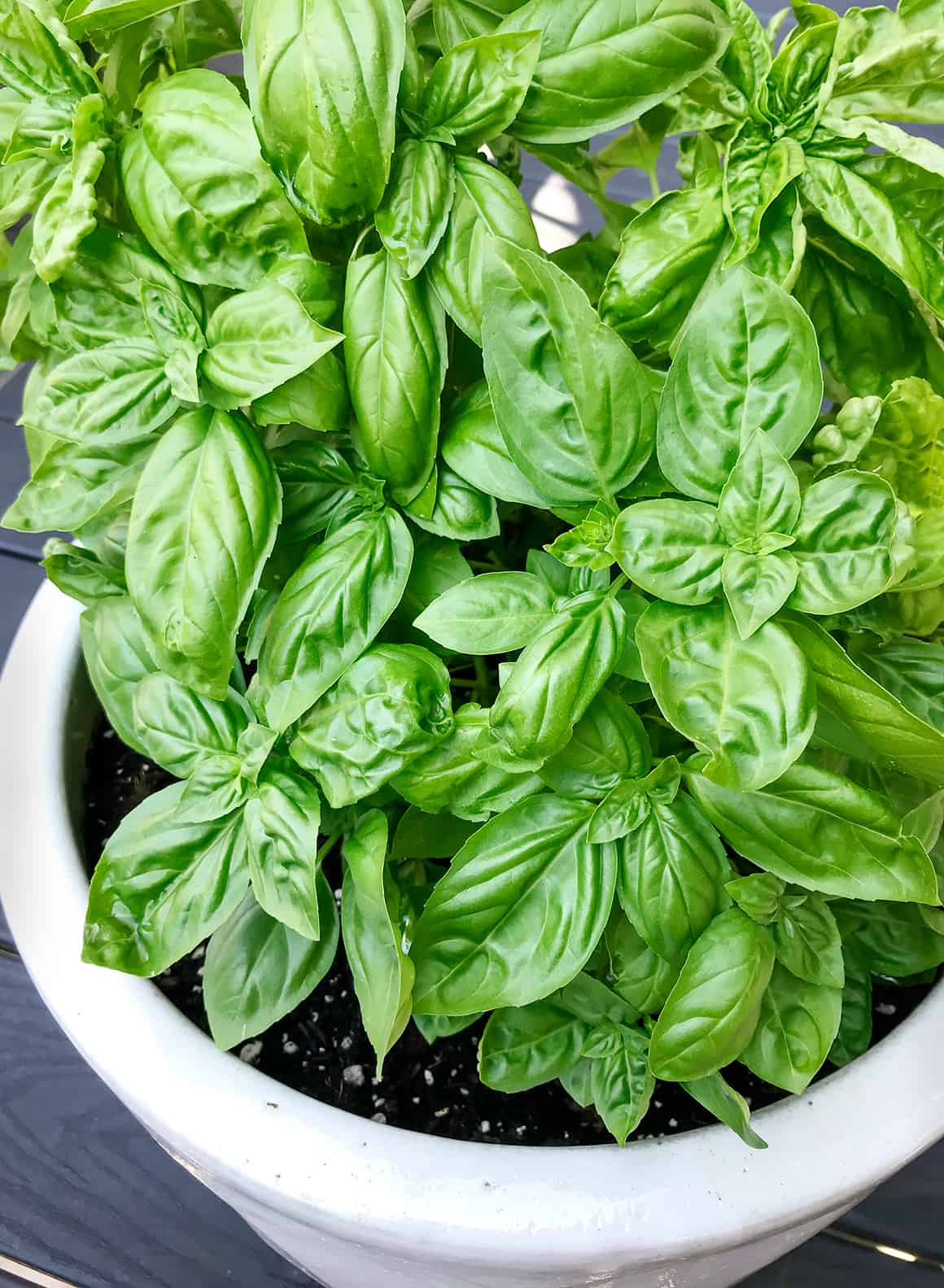
There's nothing quite as disheartening as watching your vibrant basil plant slowly wither away. You've watered it, given it sunlight, maybe even whispered encouraging words, but still, the leaves droop, turn yellow, and your dreams of fresh pesto seem to fade with each passing day. If your basil won't grow anymore, or even worse, appears to be dying, you're not alone. Basil can be a bit finicky, but with a little detective work, you can often figure out what's gone wrong and get back on track to enjoying a bountiful harvest.
Why My Basil Won't Grow Anymore: Common Culprits
The reasons behind "basil won't grow anymore" can be numerous, ranging from environmental factors to diseases and pests. Let's break down the most frequent offenders and how to identify them.
Improper Watering Practices and Basil Growth
Watering is arguably the most crucial aspect of basil care. Both overwatering and underwatering can stunt growth or even kill your plant. Figuring out the right balance is key.
Overwatering Issues
Overwatering leads to root rot, a fungal disease that thrives in soggy conditions. Basil roots need oxygen, and when constantly submerged in water, they can't breathe.
- Symptoms: Yellowing leaves (especially older ones), wilting even when the soil is moist, brown and mushy roots, and a general lack of vigor.
- Solution: Let the soil dry out completely between waterings. Ensure your pot has adequate drainage holes. Consider repotting in fresh, well-draining soil. Check the soil moisture by sticking your finger about an inch deep – if it feels wet, hold off on watering.
Underwatering Problems
On the other hand, underwatering stresses the plant, preventing it from absorbing the nutrients it needs to thrive. Basil is a thirsty herb, particularly during hot weather.
- Symptoms: Drooping leaves that feel dry and crispy, stunted growth, and soil that pulls away from the sides of the pot.
- Solution: Water deeply whenever the top inch of soil feels dry. Water slowly and thoroughly, allowing the water to drain from the bottom of the pot. Mulching around the base of the plant can help retain moisture.
Tip: A good rule of thumb is to water deeply when the top inch of soil is dry to the touch. Avoid frequent, shallow watering, which encourages shallow root growth and makes the plant more susceptible to drought.
Insufficient Sunlight and Poor Basil Growth
Basil is a sun-loving herb and needs at least 6-8 hours of direct sunlight per day to grow well. Without enough light, it becomes leggy, weak, and produces fewer leaves.
Identifying Sunlight Deficiencies
- Symptoms: Tall, spindly stems, leaves that are pale green or yellow, and a plant that leans towards the light source.
- Solution: Move your basil plant to a sunnier location. If you're growing indoors, consider using grow lights to supplement natural sunlight. Rotate the plant regularly to ensure even exposure to light.
Optimizing Sunlight Exposure
If you are growing indoors, consider investing in grow lights. They can provide the necessary spectrum of light for healthy basil growth, especially during the winter months. Even outside, consider where the location of the sun will be during the day to maximize the amount of sunlight the basil will receive.
Nutrient Deficiencies and Basil Growth
Like all plants, basil needs essential nutrients to thrive. Deficiencies can lead to stunted growth, yellowing leaves, and poor overall health.
Common Nutrient Deficiencies
- Nitrogen Deficiency: Yellowing of older leaves, starting from the bottom of the plant.
- Phosphorus Deficiency: Stunted growth, dark green leaves with reddish or purplish tinges.
- Potassium Deficiency: Yellowing or browning of leaf edges, often starting with older leaves.
Fertilizing Basil for Optimal Growth
To correct nutrient deficiencies, fertilize your basil plant with a balanced, water-soluble fertilizer every 2-4 weeks during the growing season. Follow the instructions on the fertilizer package carefully to avoid over-fertilizing. A soil test can help you determine which nutrients are lacking in your soil. Alternatively, you can use organic fertilizers like compost tea or fish emulsion, which provide a slow-release source of nutrients. Consider using a fertilizer specifically formulated for herbs.
Important: Over-fertilizing can be just as harmful as under-fertilizing, leading to salt buildup in the soil and root burn. Always dilute fertilizers according to the instructions and avoid applying them to dry soil.
Pests and Diseases Impacting Basil Growth
Various pests and diseases can wreak havoc on your basil plant, hindering its growth and potentially killing it.
Common Basil Pests
- Aphids: Tiny, sap-sucking insects that cluster on stems and leaves. They can cause distorted growth, yellowing leaves, and sticky honeydew.
- Spider Mites: Tiny mites that create webs on the undersides of leaves, causing them to stipple and turn yellow.
- Slugs and Snails: These pests can chew large holes in leaves, especially young seedlings.
Common Basil Diseases
- Fusarium Wilt: A soilborne fungal disease that causes wilting, yellowing, and eventual death of the plant.
- Downy Mildew: A fungal disease that causes yellow spots on the upper leaf surface and a grayish-purple fuzz on the underside.
- Leaf Spot: Various fungal or bacterial diseases that cause spots on the leaves.
Pest and Disease Control
For pests, try spraying your basil plant with a strong jet of water to dislodge them. You can also use insecticidal soap or neem oil. For slugs and snails, handpick them off the plants or use traps. For diseases, remove infected leaves promptly and improve air circulation around the plant. In severe cases, you may need to use a fungicide, but be sure to choose one that is safe for edible plants. Consider companion planting basil with plants like marigolds, which can help deter pests.
Other Factors Affecting Basil Growth
Beyond the major culprits, several other factors can contribute to basil growth problems.
Temperature and Humidity
Basil prefers warm temperatures (60-80°F) and moderate humidity. Cold temperatures can stunt growth, while high humidity can encourage fungal diseases. Protect your basil plant from frost and provide good air circulation.
Soil Quality
Basil thrives in well-draining, fertile soil with a p H of 6.0-7.5. Amend heavy clay soils with compost or other organic matter to improve drainage. Before planting, incorporate compost or aged manure into the soil to provide nutrients.
Pot Size and Root Bound Plants
If you're growing basil in a container, make sure it's large enough to accommodate the root system. A root-bound plant will have stunted growth and yellowing leaves. Repot the plant into a larger container with fresh soil.
Reviving a Struggling Basil Plant
So, your basil isn't thriving. What can you do to nurse it back to health? Here's a step-by-step approach:
- Assess the situation: Carefully examine your plant for signs of pests, diseases, or nutrient deficiencies. Check the soil moisture and drainage.
- Adjust watering: Water deeply but infrequently, allowing the soil to dry out between waterings.
- Provide adequate sunlight: Move your plant to a sunnier location or supplement with grow lights.
- Fertilize: Apply a balanced fertilizer or organic amendment.
- Prune: Remove any dead or damaged leaves and stems to encourage new growth.
- Consider Repotting: If the plant is root-bound, repot it into a larger container with fresh soil.
Remember, patience is key. It may take a few weeks for your basil plant to recover. Providing the right conditions and consistent care will give it the best chance of survival and renewed growth.
Preventing Future Basil Growth Problems
Prevention is always better than cure. Here are some tips for ensuring healthy basil growth:
- Choose a well-draining potting mix or amend your garden soil with compost.
- Plant basil in a sunny location with good air circulation.
- Water deeply but infrequently, allowing the soil to dry out between waterings.
- Fertilize regularly with a balanced fertilizer or organic amendment.
- Inspect your plants regularly for pests and diseases.
- Prune your basil plant regularly to encourage bushy growth.
With a little knowledge and care, you can overcome basil growing challenges and enjoy a bountiful harvest of this flavorful herb.
To make watering more manageable, consider getting a new garden hose that won’t kink or leak. A reliable water hose, like the Garden Tube 75 FT with 10-Function Nozzle, is essential to take care of your garden. This leak-proof hose features metal connectors and is designed to be knot-free, making watering easier and more effective. You can find it on Amazon here: https://amzn.to/3Yv E0Bo.