Picture this: you’re making a delicious pesto, but you're out of fresh basil! A quick trip to the grocery store solves the problem, but what if you could extend the life of that store-bought basil and create an endless supply? The good news is, with a little know-how, you absolutely can! Growing Basil From Store-Bought: A Complete Guide So, can you really grow basil from store bought bunches? Absolutely! It's a fantastic way to save money, reduce waste, and enjoy fresh basil whenever you need it. However, the success of growing basil from store bought depends on a few key factors. This article will walk you through the entire process, from selecting the right basil to harvesting your homegrown leaves. We'll cover everything you need to know to successfully propagate basil from your grocery store haul. Selecting the Right Store-Bought Basil for Propagation Not all store-bought basil is created equal when it comes to propagation. To increase your ...
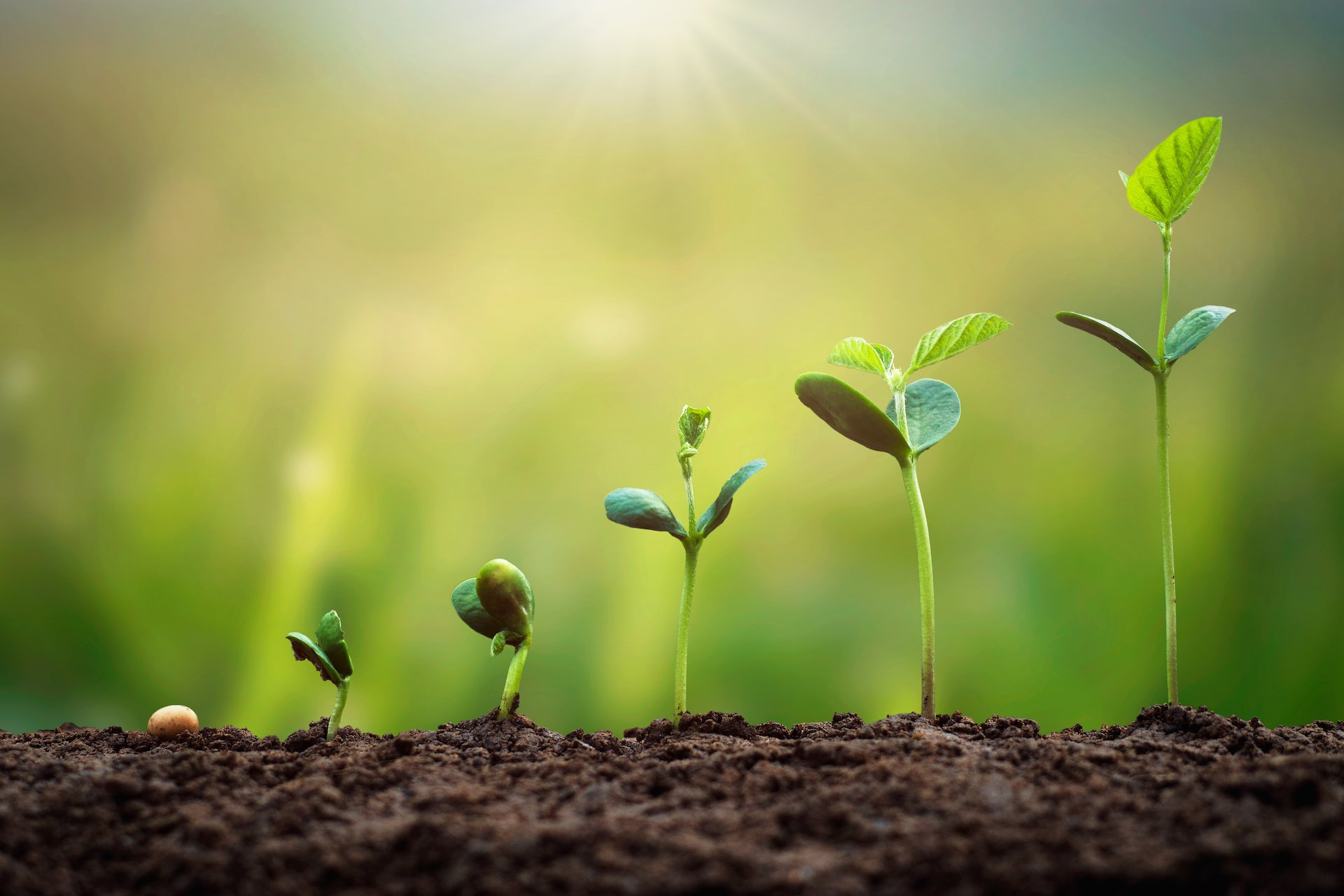
The aroma of fresh basil, wafting from your own backyard or even a sunny windowsill, is one of life's simple pleasures. Imagine adding that vibrant, flavorful herb to your pasta dishes, salads, or homemade pesto, knowing you grew it yourself. It's easier than you think to cultivate your own basil plant! This guide will walk you through every step, from seed to harvest, ensuring you have a thriving basil plant to enjoy all season long.
Starting Your Basil Growing Journey
Embarking on growing basil is a rewarding experience. Whether you're a seasoned gardener or a complete beginner, cultivating a basil plant is surprisingly straightforward. There are a few different ways to begin: you can start from seed, purchase a young basil plant (also known as a basil seedling) from a nursery, or even propagate cuttings from an existing plant. Each method has its advantages, and we'll explore them all.
Starting From Seed: A Budget-Friendly Option
Starting from seed is the most cost-effective method. It allows you to choose from a wider variety of basil types, including heirloom varieties that might not be available as starter plants. Here's a step-by-step guide:
- Choosing Your Seeds: Select high-quality basil seeds from a reputable source. Consider the type of basil you prefer – Genovese (for pesto), Thai basil (for Asian cuisine), lemon basil (for a citrusy twist), or purple basil (for visual appeal).
- Starting Indoors (Recommended): Basil is sensitive to frost, so it's best to start seeds indoors 6-8 weeks before the last expected frost date in your area. Use seed-starting trays or small pots filled with seed-starting mix. Sow the seeds about ¼ inch deep and gently water them.
- Providing Light and Warmth: Basil seeds need warmth and light to germinate. Place the trays in a warm location (around 70-75°F or 21-24°C) and provide plenty of bright, indirect light. You can use a grow light if needed.
- Maintaining Moisture: Keep the soil consistently moist, but not waterlogged. Use a spray bottle to gently mist the soil.
- Transplanting Seedlings: Once the seedlings have developed a few sets of true leaves (the leaves that look like miniature basil leaves), they are ready to be transplanted outdoors. Harden them off by gradually exposing them to outdoor conditions for a week before transplanting.
Buying Basil Seedlings: A Quick Start
Purchasing basil seedlings from a local nursery or garden center provides a head start. It eliminates the germination and early growth stages, allowing you to enjoy fresh basil sooner. When selecting seedlings, look for healthy, vibrant plants with no signs of pests or disease. Check the undersides of the leaves for aphids or whiteflies. Choose plants that are compact and bushy, rather than tall and leggy.
Propagating From Cuttings: Multiplying Your Basil
If you already have a basil plant, you can easily propagate new plants from stem cuttings. This is a great way to clone your favorite basil variety. Here's how:
- Take a Cutting: Select a healthy stem that is about 4-6 inches long. Cut the stem just below a leaf node (the point where a leaf grows from the stem).
- Remove Lower Leaves: Remove the leaves from the bottom half of the cutting, leaving only the top leaves.
- Rooting the Cutting: Place the cutting in a glass of water, ensuring that the leaf nodes are submerged. Place the glass in a bright location, but away from direct sunlight.
- Transplanting the Rooted Cutting: Within a week or two, roots will begin to emerge from the stem. Once the roots are about an inch long, you can transplant the cutting into a pot filled with potting mix.
Basil Plant Care: Sun, Soil, and Water
Once you have your basil plant established, proper care is crucial for its growth and flavor. Basil thrives in specific conditions, so understanding its needs will ensure a bountiful harvest.
Sunlight: Essential for Growth
Basil requires at least 6-8 hours of direct sunlight per day. This ensures robust growth and flavorful leaves. If you're growing basil indoors, place it near a sunny window or use a grow light. Insufficient sunlight can lead to leggy growth and reduced flavor.
Soil: Well-Draining and Nutrient-Rich
Basil prefers well-draining soil that is rich in organic matter. A slightly acidic to neutral p H (6.0-7.5) is ideal. Before planting, amend the soil with compost or well-rotted manure to improve drainage and fertility. If you're growing basil in containers, use a high-quality potting mix specifically formulated for herbs or vegetables.
Watering: Consistent Moisture
Basil needs consistent moisture, but it doesn't like to be waterlogged. Water thoroughly when the top inch of soil feels dry to the touch. Avoid overhead watering, as this can lead to fungal diseases. Water at the base of the plant, preferably in the morning. During hot, dry weather, you may need to water more frequently.
Fertilizing: Boost Growth and Flavor
While basil doesn't require heavy fertilization, a light feeding every few weeks can promote healthy growth. Use a balanced liquid fertilizer diluted to half strength. Avoid over-fertilizing, as this can reduce the flavor of the leaves. Alternatively, you can amend the soil with compost tea every few weeks for a natural boost.
Pest and Disease Management
While basil is relatively pest-resistant, it can be susceptible to certain problems. Regularly inspect your plants for signs of pests or disease and take action promptly.
Common Pests
Some common pests that can affect basil include aphids, spider mites, and whiteflies. These pests suck sap from the leaves, causing them to yellow and wilt. You can control these pests by spraying the plants with insecticidal soap or neem oil. Introducing beneficial insects like ladybugs can also help to control pest populations.
Common Diseases
Basil is susceptible to fungal diseases like downy mildew and Fusarium wilt, especially in humid conditions. Downy mildew causes yellow spots on the leaves, while Fusarium wilt causes wilting and stem rot. To prevent these diseases, ensure good air circulation around the plants and avoid overhead watering. If you notice signs of disease, remove the affected leaves or plants immediately. You can also use a fungicide to control fungal diseases.
Harvesting Your Basil
Harvesting basil regularly encourages bushy growth and prevents the plant from flowering. Once the plant flowers, the leaves can become bitter. Here's how to harvest:
- Pinching Back: Pinch back the stems just above a leaf node. This will encourage the plant to branch out and produce more leaves.
- Harvesting Leaves: Harvest the largest leaves first. Avoid removing more than one-third of the plant at a time.
- Harvesting Flowers: If your basil plant starts to flower, pinch off the flower buds to encourage continued leaf production.
Freshly harvested basil is best used immediately. You can store it in the refrigerator for a few days by wrapping it in a damp paper towel and placing it in a plastic bag. You can also dry or freeze basil for longer storage. Dried basil has a less intense flavor than fresh basil. Freezing basil is a good way to preserve its flavor. To freeze basil, blanch the leaves for a few seconds and then place them in an ice bath. Drain the leaves and then freeze them in a single layer on a baking sheet. Once frozen, transfer the leaves to a freezer bag.
Using Your Fresh Basil
The possibilities for using your fresh basil are endless! Add it to pasta sauces, pizzas, salads, soups, and stir-fries. Make pesto by blending basil with pine nuts, garlic, Parmesan cheese, and olive oil. Use it to flavor vinegar or olive oil. Garnish your favorite cocktails with a sprig of fresh basil. Experiment with different varieties of basil to discover your favorite flavors.
Different Basil Varieties: Exploring Flavor Profiles
There’s more than just one type of basil! Each variety offers a unique flavor profile that can enhance different dishes.
Genovese Basil
This is the most common type of basil and the one most often used for pesto. It has a classic, slightly sweet basil flavor.
Thai Basil
Thai basil has a distinct anise or licorice flavor. It's commonly used in Southeast Asian cuisine.
Lemon Basil
As the name suggests, lemon basil has a citrusy, lemon-like flavor. It’s delicious in salads, teas, and desserts.
Purple Basil
Purple basil has a slightly spicier flavor than Genovese basil and adds a beautiful visual element to dishes. It can come in a variety of purple colors from dark almost black purple to purple and green variegated leaves. Its flavor profile is complex as well from the classic sweet basil taste to anise and even hints of pepper.
Troubleshooting Common Basil Growing Problems
Even with the best care, you might encounter some problems growing your basil plant. Here are some common issues and how to address them:
- Yellowing Leaves: This can be caused by overwatering, underwatering, nutrient deficiency, or pests. Check the soil moisture and adjust your watering accordingly. Fertilize the plant with a balanced fertilizer. Inspect the plant for pests.
- Leggy Growth: This is usually caused by insufficient sunlight. Move the plant to a sunnier location or use a grow light.
- Bitter Leaves: This can happen when the plant flowers. Pinch off the flower buds to encourage continued leaf production.
- Downy Mildew: This fungal disease causes yellow spots on the leaves. Ensure good air circulation around the plants and avoid overhead watering. Remove affected leaves.
Tips for Growing Basil Indoors
Growing basil indoors allows you to enjoy fresh herbs year-round, even in colder climates. Here are some tips for success:
- Choose the Right Pot: Select a pot that is at least 6 inches in diameter with good drainage.
- Use a Grow Light: If you don't have a sunny window, use a grow light to provide adequate light.
- Maintain Humidity: Basil prefers humid conditions. You can increase humidity by misting the plant regularly or placing a tray of water near the plant.
- Rotate the Plant: Rotate the plant regularly to ensure that all sides receive equal sunlight.
Enhance Your Gardening Experience
To maintain a thriving garden, having the right equipment is essential. A quality watering solution can make a world of difference, and theGarden Hose 75 FT with 10-Function Nozzle, Leak-proof Metal Connector Water Hose, No Knots, Kink-Free, Lighter, Anti-Pets, Wear-Resistant, 3/4 GHT, Metal Hose for Garden, Yard, Outdoor is an excellent choice. It's incredibly durable, kink-free, and lightweight. This adaptable gardening hose could be a great upgrade to your equipment! You can find it here: https://amzn.to/3Yv E0Bo.
Conclusion: Enjoy Your Homegrown Basil
Growing your own basil is a rewarding experience that brings fresh flavor and fragrance to your kitchen. With a little care and attention, you can enjoy a bountiful harvest of basil all season long. So get started today and experience the joy of growing your own herbs! Enjoy growing a basil plant!