Picture this: you’re making a delicious pesto, but you're out of fresh basil! A quick trip to the grocery store solves the problem, but what if you could extend the life of that store-bought basil and create an endless supply? The good news is, with a little know-how, you absolutely can! Growing Basil From Store-Bought: A Complete Guide So, can you really grow basil from store bought bunches? Absolutely! It's a fantastic way to save money, reduce waste, and enjoy fresh basil whenever you need it. However, the success of growing basil from store bought depends on a few key factors. This article will walk you through the entire process, from selecting the right basil to harvesting your homegrown leaves. We'll cover everything you need to know to successfully propagate basil from your grocery store haul. Selecting the Right Store-Bought Basil for Propagation Not all store-bought basil is created equal when it comes to propagation. To increase your ...
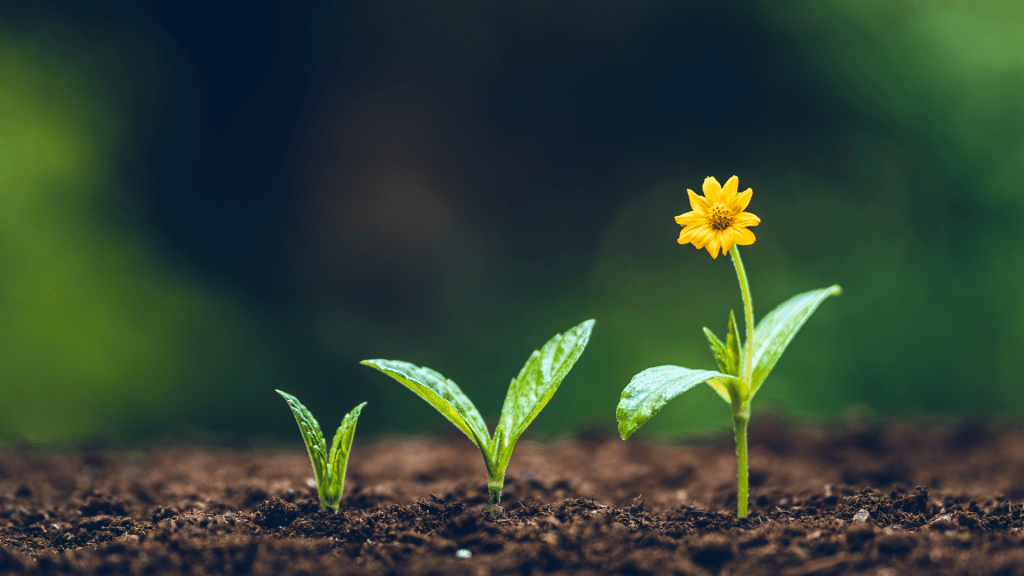
Imagine the aroma of fresh basil wafting through your garden, ready to be plucked and added to your favorite dishes. Growing Genovese basil, the king of basils, is incredibly rewarding, especially when you know the ins and outs of cultivating it in a warm climate like Zone 9. Let's dive into how you can have a thriving basil patch that produces fragrant leaves all season long.
Growing Genovese Basil in Zone 9: An Overview
Zone 9 offers a long growing season, which is fantastic for Genovese basil. However, it also presents unique challenges like intense sun and potential heat stress. Successful Genovese basil cultivation in this zone hinges on understanding these factors and adapting your gardening practices accordingly. This involves careful attention to sunlight, watering, soil conditions, and pest management. You'll want to consider the timing of your planting to avoid the worst of the summer heat, and selecting the right location in your garden is crucial for success.
Timing is Everything: When to Plant Genovese Basil Seeds in Zone 9
The ideal time to plant Genovese basil in Zone 9 is after the last frost and when the soil has warmed to at least 60°F (15°C). This generally falls betweenlate March and early May. Planting too early can expose your seedlings to cold snaps, stunting their growth or even killing them. You can start seeds indoors 6-8 weeks before the last expected frost to get a head start. This gives you more control over the environment and allows the seedlings to develop a strong root system before transplanting them outdoors. Conversely, planting too late in the season might mean that the plant will struggle when it is exposed to harsh sun and intense heat in the summer.
Here's a quick guide to timing your planting:
- Starting seeds indoors: 6-8 weeks before the last frost.
- Direct sowing outdoors: Late March to early May, after the last frost.
- Transplanting seedlings: Once the soil is warm and the danger of frost has passed.
Choosing the Right Location and Soil for Genovese Basil in Zone 9
Genovese basil thrives in a location that receives at least 6-8 hours of sunlight per day. However, in Zone 9, providing some afternoon shade can prevent the leaves from scorching during the hottest part of the day. A spot with morning sun and afternoon shade is ideal. Soil is another critical factor. Basil prefers well-draining soil that is rich in organic matter. Amending your soil with compost or aged manure before planting will provide the necessary nutrients and improve drainage. The optimal soil p H for Genovese basil is between 6.0 and
7.5. You can test your soil p H using a simple soil test kit and adjust it accordingly with lime (to raise p H) or sulfur (to lower p H). Good drainage is very important, as basil does not like to sit in waterlogged soil. Excess moisture can lead to root rot and other fungal diseases. Raised beds or containers can be an excellent option if your garden soil is heavy clay or has poor drainage.
Case Study:A local gardener in Phoenix, Arizona (Zone 9b), reported that their Genovese basil plants flourished when planted on the east side of their house, receiving morning sun and protection from the intense afternoon heat. They also incorporated a generous amount of compost into their soil, resulting in lush, fragrant leaves throughout the growing season.
Watering and Fertilizing Genovese Basil Plants in Zone 9
Consistent watering is essential for Genovese basil, especially in the heat of Zone 9. Water deeply and regularly, ensuring the soil remains moist but not waterlogged. Check the soil moisture daily and water when the top inch feels dry. Mulching around the base of the plants can help retain moisture and suppress weeds. An easy to use garden tool such as an expandable75 FT Garden Hose with a 10-Pattern Nozzle ensures you reach every part of your garden with ease, and the leak-proof metal connectors mean less water waste. Plus, its kink-free design makes watering a breeze! You can find it here: https://amzn.to/3Yv E0Bo
Fertilizing your basil plants will encourage vigorous growth and abundant foliage. Use a balanced organic fertilizer, such as fish emulsion or compost tea, every 2-3 weeks. Avoid over-fertilizing, as this can lead to leggy growth and a less intense flavor.
Here's a recommended fertilization schedule:
- At planting: Amend soil with compost or aged manure.
- 2-3 weeks after transplanting: Apply a balanced organic fertilizer.
- Every 2-3 weeks during the growing season: Feed with fish emulsion or compost tea.
Harvesting Genovese Basil to Encourage Growth
Regular harvesting is key to maintaining a healthy and productive Genovese basil plant. Pinch off the top sets of leaves, just above a node (where the leaves meet the stem). This encourages the plant to branch out and produce more leaves. Avoid harvesting more than one-third of the plant at a time, as this can stress the plant and slow its growth. When the plant starts to produce flower buds, pinch them off immediately to prevent the plant from going to seed. Once basil flowers, the flavor of the leaves will diminish.
Tip:Harvest basil in the morning, after the dew has dried but before the sun gets too hot. This is when the leaves have the highest concentration of essential oils and the most intense flavor.
Common Pests and Diseases Affecting Genovese Basil in Zone 9
While Genovese basil is relatively pest-resistant, it can be susceptible to certain pests and diseases, especially in warm, humid conditions. Aphids, spider mites, and whiteflies are common pests that can infest basil plants. These pests suck the sap from the leaves, causing them to yellow and distort. Treat infestations with insecticidal soap or neem oil. Fungal diseases, such as downy mildew and fusarium wilt, can also affect Genovese basil. Downy mildew appears as yellow spots on the upper surface of the leaves, with a gray or purple fuzzy growth on the underside. Fusarium wilt causes the plant to wilt and die. To prevent fungal diseases, ensure good air circulation around your plants and avoid overhead watering. Remove any infected leaves immediately to prevent the spread of the disease.
Here are some strategies to combat pests and diseases:
- Regularly inspect plants: Check for signs of pests or diseases.
- Provide good air circulation: Space plants properly to avoid overcrowding.
- Water at the base of the plant: Avoid wetting the leaves.
- Use organic pest control methods: Insecticidal soap, neem oil, or diatomaceous earth.
- Remove infected leaves immediately: Prune any diseased foliage to prevent the spread of the disease.
Tips for a Bountiful Genovese Basil Harvest in Zone 9
To maximize your Genovese basil harvest in Zone 9, consider these additional tips:
- Succession planting: Plant new basil seeds every few weeks to ensure a continuous supply of fresh leaves throughout the season.
- Companion planting: Plant basil near tomatoes, peppers, and other vegetables to deter pests.
- Container gardening: Growing basil in containers allows you to easily move the plants to a more protected location if needed, such as during periods of extreme heat or heavy rain.
- Seed Saving: Allow one or two plants to flower and go to seed at the end of the season. You can then collect the seeds and save them for planting next year.
Growing Genovese basil in Zone 9 requires a bit of attention and care, but the rewards are well worth the effort. By understanding the specific needs of this herb and adapting your gardening practices accordingly, you can enjoy a bountiful harvest of fragrant leaves all season long. So, get out there, plant those seeds, and get ready to enjoy the taste of fresh, homegrown basil!