Picture this: you’re making a delicious pesto, but you're out of fresh basil! A quick trip to the grocery store solves the problem, but what if you could extend the life of that store-bought basil and create an endless supply? The good news is, with a little know-how, you absolutely can! Growing Basil From Store-Bought: A Complete Guide So, can you really grow basil from store bought bunches? Absolutely! It's a fantastic way to save money, reduce waste, and enjoy fresh basil whenever you need it. However, the success of growing basil from store bought depends on a few key factors. This article will walk you through the entire process, from selecting the right basil to harvesting your homegrown leaves. We'll cover everything you need to know to successfully propagate basil from your grocery store haul. Selecting the Right Store-Bought Basil for Propagation Not all store-bought basil is created equal when it comes to propagation. To increase your ...
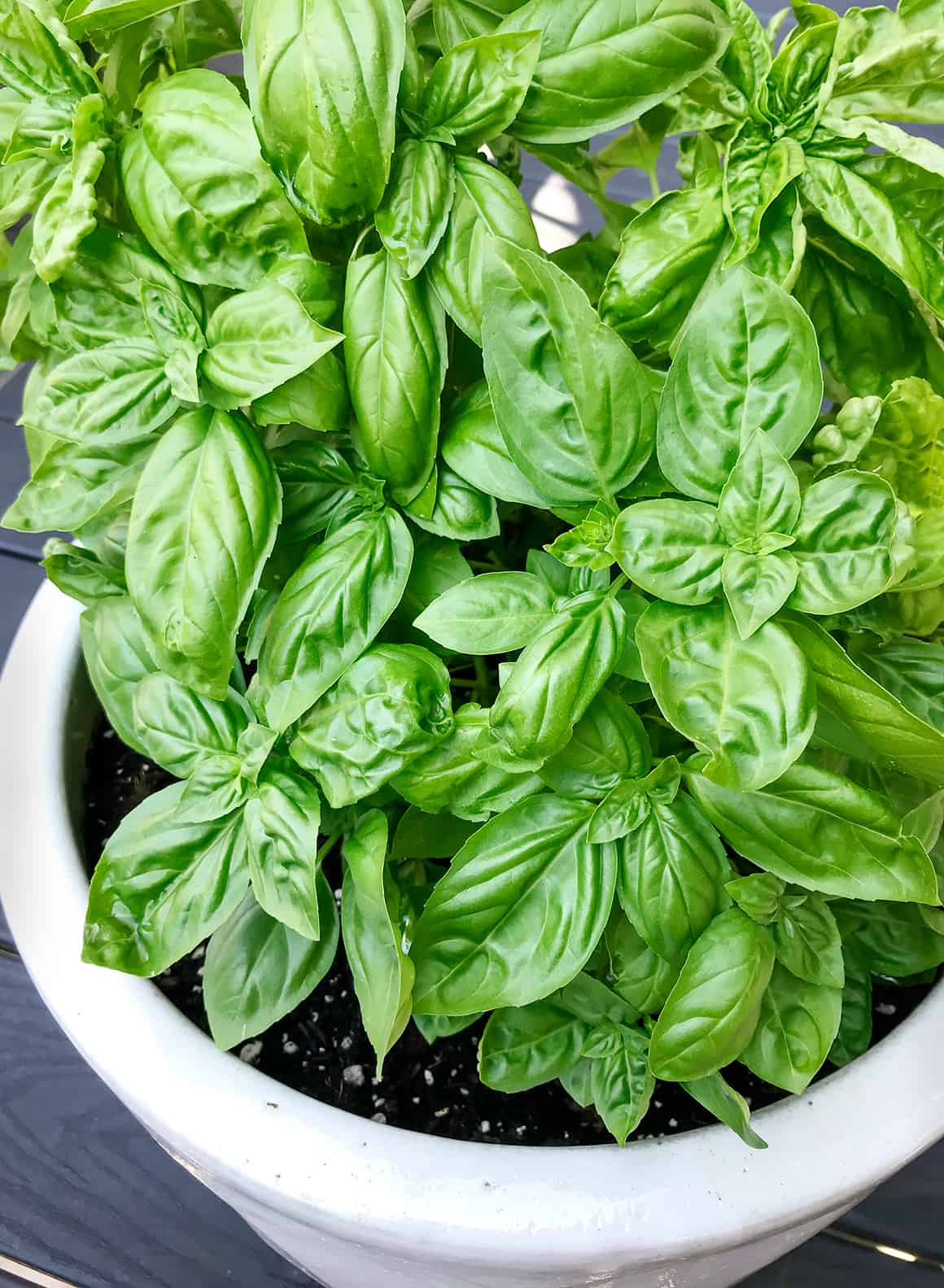
Imagine fresh, fragrant basil leaves, not just picked from your garden, but harvested from a thriving aquaponics system! It's a gardener's dream – combining the benefits of aquaculture and hydroponics for a truly sustainable way to grow your favorite herbs. But can you actually achieve this dream? Let's dive into the world of aquaponics and explore the potential of growing basil in this fascinating ecosystem.
Understanding Aquaponics and Basil's Needs
Aquaponics is a symbiotic system where aquatic animals (typically fish) and plants are grown together in a recirculating environment. The fish waste provides nutrients for the plants, and the plants filter the water, which is then returned to the fish tank. It's a beautiful, self-sustaining cycle that minimizes water usage and eliminates the need for traditional soil-based gardening. But what does basil need to thrive, and how well does that align with the aquaponic environment?
Basil: A Quick Overview
Basil (Ocimum basilicum) is a popular herb loved for its aromatic leaves, which are used in countless culinary dishes. It's a relatively easy plant to grow, but it does have specific requirements:
- Sunlight: Basil needs at least 6-8 hours of sunlight per day.
- Water: Consistent moisture is crucial, but avoid overwatering.
- Nutrients: Basil requires a balanced supply of nutrients, particularly nitrogen, phosphorus, and potassium.
- Temperature: Basil prefers warm temperatures, ideally between 65-85°F (18-29°C).
- p H: Basil thrives in a slightly acidic to neutral p H range (6.0-7.5).
The success of growing basil in aquaponics hinges on how well you can replicate these conditions within the system. Now, before we proceed, let me share a tip for keeping your garden space nice. One of the challenges I faced was keeping my garden clean and manageable, especially when watering. That's when I discovered this amazinggarden hose: the "Garden Hose 75 FT with 10-Function Nozzle, Leak-proof Metal Connector Water Hose, No Knots, Kink-Free, Lighter, Anti-Pets, Wear-Resistant, 3/4 GHT, Metal Hose for Garden, Yard, Outdoor". It is also known as a 75 foot garden hose with a ten-function nozzle. It has made watering so much easier, and it's super durable. You can check it out on Amazon: https://amzn.to/3Yv E0Bo. Let's get back to basil and aquaponics!
Can Basil Grow Well in Aquaponics? Absolutely!
The answer is a resounding yes! Basil is exceptionally well-suited for aquaponics. In fact, it's often considered one of the easiest and most rewarding herbs to grow in such a system. Here's why:
- Nutrient Uptake: Basil is a rapid nutrient consumer. The nutrient-rich water from the fish tank provides an ideal food source for the plants.
- Water Filtration: Basil helps to purify the water, removing excess nutrients and keeping the water clean for the fish. This is a win-win situation for both plants and aquatic animals.
- Rapid Growth: Basil in aquaponics tends to grow faster than in traditional soil due to the constant availability of nutrients.
However, simply throwing some basil seedlings into your aquaponics system isn't a guaranteed recipe for success. There are several critical factors to consider.
Optimizing Aquaponic Systems for Basil Growth
Achieving a thriving basil harvest in aquaponics requires careful planning and attention to detail. Here are some key considerations:
- System Type: Deep water culture (DWC) and media beds are two popular aquaponic systems. DWC is great for basil, because roots are submerged and have constant access to nutrients.
- Water Quality: Regularly monitor and adjust water parameters like p H, ammonia, nitrite, and nitrate levels. These are critical for both the fish and the basil. Basil thrives when the p H is between 6.0 and
7.0.
- Nutrient Balance: While fish waste provides the primary source of nutrients, you may need to supplement with additional nutrients, particularly potassium and calcium, to ensure optimal growth.
- Lighting: If you're growing indoors, provide adequate artificial lighting (full-spectrum LED grow lights are a great choice). Aim for 14-16 hours of light per day.
- Temperature: Maintain a consistent water and air temperature within the ideal range for basil (65-85°F or 18-29°C).
- Pest Control: Monitor for pests and address any infestations promptly using organic pest control methods suitable for aquaponics systems. Avoid using pesticides that could harm the fish.
Let's delve into each of these points a bit further to help you achieve a flourishing basil crop.
Choosing the Right Aquaponic System
As mentioned, DWC and media beds are common choices for basil. Let's look at them in a little more detail:
Deep Water Culture (DWC): In a DWC system, the plant roots are suspended directly in the nutrient-rich water. This provides excellent access to nutrients and oxygen, leading to rapid growth. DWC is particularly well-suited for leafy greens and herbs like basil. You can use rafts or net pots to hold the plants in place.
Media Beds: Media beds involve growing plants in a bed filled with gravel, clay pebbles, or other inert media. The nutrient-rich water is periodically flooded into the bed, providing nutrients and moisture to the plants. Media beds offer more support for larger plants, but drainage can be a concern.
Other options include Nutrient Film Technique (NFT), where a shallow stream of nutrient-rich water flows over the roots, and vertical systems, which are great for maximizing space. Choosing the best one depends on available space, budget, and personal preference.
Water Quality Monitoring and Adjustment
Maintaining optimal water quality is paramount for a successful aquaponics system. Regularly test the water for p H, ammonia, nitrite, and nitrate levels. Here are ideal ranges:
p H: 6.0-7.0 (slightly acidic to neutral) Ammonia (NH3): 0 ppm (toxic to fish) Nitrite (NO2): 0 ppm (toxic to fish) Nitrate (NO3): 5-30 ppm (beneficial for plant growth)
Use water test kits or meters to monitor these parameters. Adjust p H using p H-up or p H-down solutions as needed. Ensure proper biofiltration to convert ammonia and nitrite into less harmful nitrate. Regular water changes can also help maintain water quality.
Supplementing Nutrients for Optimal Basil Growth
While fish waste provides a good source of nutrients, basil may require additional supplementation, especially for potassium and calcium. Deficiencies can manifest as yellowing leaves, stunted growth, or blossom end rot. You can add these nutrients in the form of liquid fertilizers specifically formulated for aquaponics. Follow the manufacturer's instructions carefully and avoid over-fertilizing, which can harm the fish.
Providing Adequate Lighting
If you're growing basil indoors, providing sufficient lighting is essential. Basil requires at least 6-8 hours of direct sunlight per day. If you're using artificial lights, opt for full-spectrum LED grow lights. These lights provide the full range of wavelengths that plants need for photosynthesis. Position the lights close enough to the plants to provide adequate intensity, but not so close that they cause burning.
Maintaining Optimal Temperature
Basil prefers warm temperatures between 65-85°F (18-29°C). Maintain a consistent water and air temperature within this range. Use heaters or coolers as needed to regulate temperature. Also, consider insulating the fish tank to prevent temperature fluctuations.
Preventing Pests in Aquaponics
Pest control in aquaponics requires a delicate balance, as many traditional pesticides can harm the fish. Implement preventative measures like good sanitation, regular inspection of plants, and the introduction of beneficial insects. If pests do become a problem, use organic pest control methods such as insecticidal soap, neem oil, or manual removal.
Troubleshooting Common Issues When You Grow Basil In Aquaponics
Even with the best planning, you might encounter some challenges when growing basil in aquaponics. Here are some common issues and how to address them:
- Yellowing Leaves: This could indicate nutrient deficiency, p H imbalance, or overwatering. Test water parameters and adjust accordingly. Ensure proper drainage and avoid overwatering.
- Stunted Growth: Stunted growth can result from nutrient deficiencies, inadequate lighting, or pest infestations. Provide supplemental nutrients, ensure adequate lighting, and address any pest problems.
- Root Rot: Root rot is a fungal disease that can occur in DWC systems with poor oxygenation. Ensure adequate aeration in the water.
- Algae Growth: Excessive algae growth can deplete oxygen and nutrients in the water. Reduce light exposure and increase water circulation. You can also introduce snails or other algae-eating organisms.
Harvesting and Enjoying Your Aquaponic Basil
Once your basil plants are thriving, it's time to harvest! Pinch off the leaves at the top of the plant, just above a leaf node. This encourages bushier growth and more leaves. Harvest regularly to prevent the plant from flowering, as flowering can reduce leaf production. Use your fresh basil in your favorite dishes, or dry or freeze it for later use. By understanding basil's needs and the principles of aquaponics, you can enjoy a bountiful harvest of fresh, flavorful basil year-round!