Picture this: you’re making a delicious pesto, but you're out of fresh basil! A quick trip to the grocery store solves the problem, but what if you could extend the life of that store-bought basil and create an endless supply? The good news is, with a little know-how, you absolutely can! Growing Basil From Store-Bought: A Complete Guide So, can you really grow basil from store bought bunches? Absolutely! It's a fantastic way to save money, reduce waste, and enjoy fresh basil whenever you need it. However, the success of growing basil from store bought depends on a few key factors. This article will walk you through the entire process, from selecting the right basil to harvesting your homegrown leaves. We'll cover everything you need to know to successfully propagate basil from your grocery store haul. Selecting the Right Store-Bought Basil for Propagation Not all store-bought basil is created equal when it comes to propagation. To increase your ...
Basil, the fragrant herb that brightens up pesto, pasta sauces, and salads alike. But did you know that properly harvesting your basil isn't just about gathering leaves; it's about encouraging evenmoregrowth? Cutting basil the right way is key to keeping your plant bushy, healthy, and producing those delicious leaves all season long. Let's dive into the simple secrets of maximizing your basil harvest!
How To Cut Basil To Keep Growing: A Comprehensive Guide
Basil plants, with their vibrant green leaves and aromatic scent, are a delight for any gardener or home cook. However, many people don't realize that the way you harvest basil directly impacts its growth and productivity. Incorrectly cutting basil can lead to leggy, weak plants that quickly go to seed. On the other hand, mastering the art of pruning encourages branching, resulting in a fuller, more abundant harvest.
Understanding Basil Growth and Cutting Techniques
Before we get into the "how," let's understandwhywe cut basil the way we do. Basil, like many herbs, grows from a central stem. As the plant matures, it naturally focuses on producing flowers and seeds to reproduce. However, once basil starts to flower, the leaves become bitter and the plant’s energy is diverted from producing foliage. Our goal when harvesting basil is to prevent or delay flowering and encourage leaf production.
Cutting Above a Node: The Key to Bushier Basil
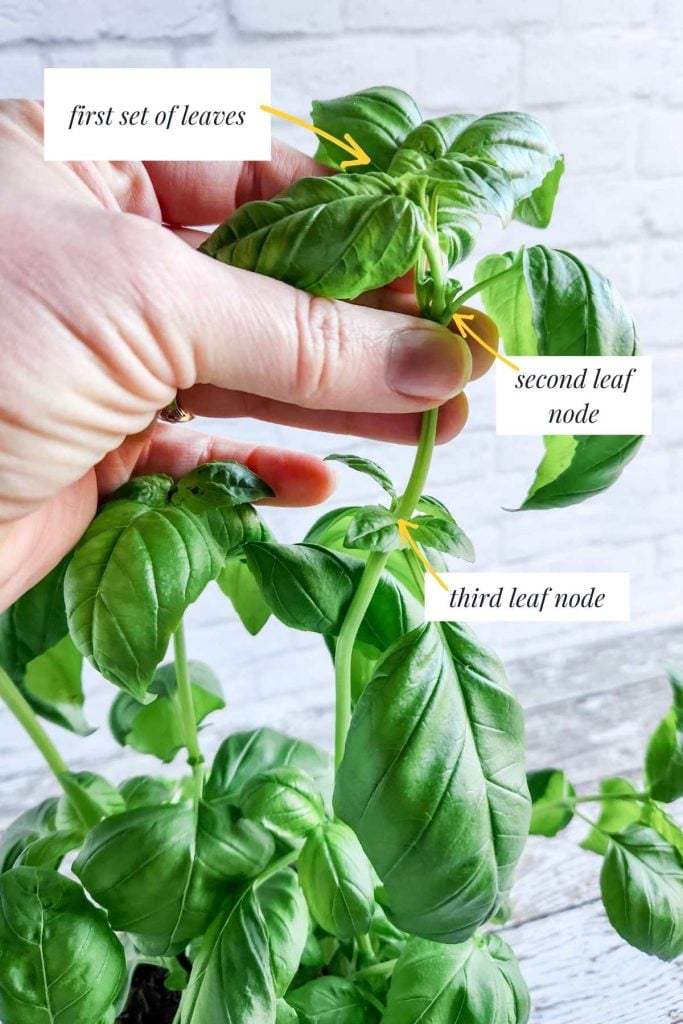
The secret to proper basil pruning lies in understandingnodes. A node is the point on the stem where new leaves emerge. These are easily identifiable as the points where two smaller leaves sprout from the main stem. When you cut the basil stemjust abovea node, you're essentially telling the plant to focus its energy on growing two new stems from that point, instead of just one. This branching effect leads to a much bushier plant with more leaves to harvest!
Think of it this way:if you simply pluck leaves off randomly, you're not directing the plant's growth. However, when you cut above a node, you're strategically redirecting the plant's energy into producing more foliage. This technique not only increases your yield but also helps maintain the plant's shape and health.
Pinching Back Flower Buds: Maintaining Flavor and Vigor
As mentioned, basil plants prioritize flowering once they reach a certain stage of maturity. Allowing your basil to flower can result in bitter leaves. To prevent this, you need to diligently pinch off any flower buds that appear. These buds typically form at the top of the plant. Simply use your fingers to snip them off. By removing flower buds, you encourage the plant to continue producing flavorful leaves instead of focusing on seed production.
The process of pinching back flower buds can feel counterintuitive – you're essentially removing a part of the plant! However, remember that you're doing it for the long-term health and productivity of your basil. Think of it as an investment in future harvests. It's a simple task that pays dividends in the form of continuous, flavorful leaves throughout the growing season.
Step-by-Step Guide: How to Cut Basil for Optimal Growth
Now that we understand the principles, let's put them into practice with a step-by-step guide on how to cut basil to keep it growing:
- Choose the Right Time: Harvest basil in the morning, after the dew has dried, but before the heat of the day sets in. This is when the essential oils are most concentrated, resulting in the best flavor.
- Identify Your Cutting Points: Look for stems that have at least 4-6 sets of leaves. Identify the nodes (the points where two leaves emerge from the stem).
- Make the Cut: Using clean, sharp scissors or pruning shears, cut the stem about ¼ inch above a node. Make sure your cut is clean and angled slightly away from the node.
- Pinch Off Flower Buds: Regularly inspect your basil plant for any signs of flower buds forming at the top of the plant. Pinch them off as soon as you see them.
- Harvest Regularly: Don't be afraid to harvest your basil! Regular harvesting encourages branching and keeps the plant producing new leaves. Aim to harvest about one-third of the plant at a time.
Tools You'll Need: Ensuring a Clean Cut
While you can technically pinch off basil leaves with your fingers, using the right tools makes the process much cleaner and more efficient. The following tools are recommended for cutting basil:
- Sharp Scissors or Pruning Shears: Sharpness is key to prevent crushing the stem and damaging the plant. Look for small, handheld shears designed for herbs.
- Cleaning Supplies: Before and after each use, clean your tools with rubbing alcohol to prevent the spread of diseases.
Using sharp, clean tools ensures a clean cut, minimizing stress on the plant and promoting faster healing. Dull or dirty tools can introduce bacteria or fungi, potentially harming your basil plant.
Troubleshooting Common Basil Growing Problems
Even with proper cutting techniques, you might encounter some common basil growing problems. Here's how to troubleshoot a few of them:
- Yellowing Leaves: This can be caused by overwatering, underwatering, or nutrient deficiencies. Adjust your watering schedule and consider adding a balanced fertilizer.
- Leggy Growth: This is often a sign of insufficient sunlight or improper pruning. Make sure your basil plant is getting at least 6 hours of sunlight per day and prune regularly.
- Pests: Common basil pests include aphids and spider mites. Inspect your plant regularly and treat infestations with insecticidal soap or neem oil.
- Fungal Diseases: These can be caused by excessive moisture and poor air circulation. Ensure good air circulation around your plants and avoid overwatering.
By addressing these problems promptly, you can keep your basil plant healthy and productive throughout the growing season. Remember that prevention is always better than cure, so regularly inspect your plant and address any issues as soon as they arise.
Beyond the Basics: Advanced Basil Cutting Tips
Ready to take your basil cutting skills to the next level? Here are some advanced tips to maximize your harvest:
- Succession Planting: Plant new basil seedlings every few weeks to ensure a continuous supply of fresh leaves throughout the season.
- Rooting Cuttings: You can easily propagate new basil plants from cuttings. Simply place the cuttings in water until they develop roots, then plant them in soil.
- Overwintering Basil: In colder climates, you can overwinter your basil plant indoors. Bring it inside before the first frost and provide it with plenty of sunlight.
- Experiment with Varieties: There are many different varieties of basil, each with its own unique flavor and aroma. Experiment with different varieties to find your favorites.
These advanced tips can help you extend your basil harvest and enjoy fresh, flavorful leaves year-round. Don't be afraid to experiment and find what works best for you and your growing conditions. Remember that gardening is a learning process, and there's always something new to discover!
To keep your garden flourishing and your basil thriving, consider investing in a durable and reliable watering solution. A75 FT garden hose featuring a10-Function Nozzle can make all the difference when it comes to properly hydrating your plants, especially during those hot summer months. Thisleak-proof metal connector water hose offers akink-free andwear-resistant design, perfect for any garden. You can find one on Amazon: https://amzn.to/3Yv E0Bo.
Conclusion: Harvesting Basil for Continuous Growth
Mastering the art of cutting basil is essential for maximizing your harvest and keeping your plants healthy and productive. By understanding the principles of node cutting, pinching back flower buds, and addressing common growing problems, you can enjoy a continuous supply of fresh, flavorful basil leaves throughout the growing season. So, grab your scissors or pruning shears and start cutting! With a little practice, you'll be amazed at how much basil you can harvest from a single plant. Happy gardening!