Picture this: you’re making a delicious pesto, but you're out of fresh basil! A quick trip to the grocery store solves the problem, but what if you could extend the life of that store-bought basil and create an endless supply? The good news is, with a little know-how, you absolutely can! Growing Basil From Store-Bought: A Complete Guide So, can you really grow basil from store bought bunches? Absolutely! It's a fantastic way to save money, reduce waste, and enjoy fresh basil whenever you need it. However, the success of growing basil from store bought depends on a few key factors. This article will walk you through the entire process, from selecting the right basil to harvesting your homegrown leaves. We'll cover everything you need to know to successfully propagate basil from your grocery store haul. Selecting the Right Store-Bought Basil for Propagation Not all store-bought basil is created equal when it comes to propagation. To increase your ...
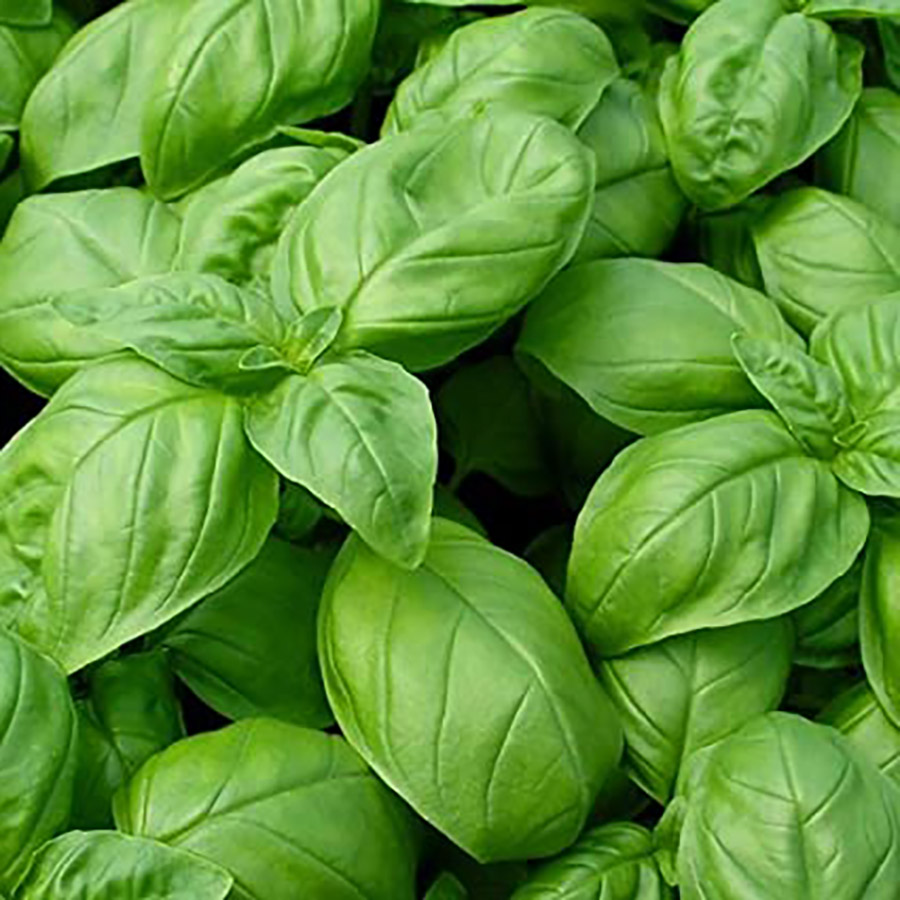
Oh no! You've been lovingly tending your basil, envisioning pesto, fragrant salads, and maybe even a batch of basil-infused olive oil. But instead of lush, leafy growth, you're seeing… flowers? Don’t panic! While basil flowering does signal a change in the plant's life cycle, it doesn't necessarily mean the end of your herb-growing dreams. Let's explore what's happening and how to make the most of your basil, even when it's decided to bloom.
Understanding Basil Flowering
Basil, like all plants, goes through a life cycle that includes vegetative growth (leaf production) and reproductive growth (flowering and seed production). When yourbasil is growing flowers, it's essentially focusing its energy on reproduction. This shift is triggered by a variety of factors, and understanding these triggers is key to managing your basil's growth and flavor.
Why Is My Basil Growing Flowers? Identifying the Triggers
Several factors can encourage your basil to flower. Understanding these triggers helps you to proactively manage your plant and extend its leafy harvest.
Day Length and Seasonality
Basil is sensitive to day length. As the days get longer in late spring and early summer, the plant naturally receives signals to transition to reproductive growth. This is especially true for some varieties more than others. The change in day length signals to the plant that it's time to produce seeds for the next generation, leading to the development of flowers. This doesn't automatically mean the end, but it is a natural part of the plant's life cycle.
Plant Maturity
Simply put, older basil plants are more likely to flower. They've already invested a significant amount of energy into leaf production, and their natural inclination is to move on to reproduction. Think of it like a biological clock ticking for your plant. As your basil matures, the urge to produce seeds becomes stronger, leading tobasil plant flowering. This is unavoidable to some extent, but with proper care, you can delay it.
Stress Factors
Environmental stressors can push your basil into flowering as a survival mechanism. These stressors can include:
- Lack of water: Drought conditions can trigger flowering as the plant attempts to quickly produce seeds before succumbing to the stress.
- Poor soil: Nutrient deficiencies can weaken the plant and prompt it to prioritize reproduction over leaf growth.
- High temperatures: Prolonged periods of intense heat can stress the plant and accelerate its flowering.
- Root bound conditions: If your basil is in a pot that is too small, the crowded roots can stress the plant.
Addressing these stressors can help to prolong the vegetative growth of your basil. Keeping your basil properly watered, fertilized, and in a sufficiently large pot can help stave off flowering.
What Happens When Basil Flowers? Understanding the Impact
While seeingbasil grow flowers isn't necessarily a disaster, it does affect the plant in a few key ways.
Change in Flavor
The most noticeable change is often in the flavor of the leaves. When basil flowers, the plant diverts energy away from producing flavorful oils in the leaves and directs it towards flower and seed production. This can result in the leaves becoming more bitter, less aromatic, and generally less palatable. However, this change in flavor is gradual. You can often still harvest and use leaves even after flowering has started, especially if you promptly remove the flowers.
Slower Leaf Production
As mentioned earlier, the plant's energy is now primarily focused on reproduction. This means that leaf production slows down significantly, and the plant may become leggy and less bushy. The once-abundant supply of leaves you enjoyed may dwindle as the plant invests its resources in its blooms.
Attracting Pollinators
On the bright side, basil flowers attract pollinators like bees and butterflies to your garden. These insects are crucial for the pollination of other plants, contributing to the overall health and biodiversity of your garden. The tiny flowers, usually white or purple, offer a source of nectar and pollen for these beneficial insects.
How to Prevent Basil from Flowering and Extend Leaf Production
While you can't completely prevent basil from flowering eventually, there are several strategies you can use to delay the process and maximize leaf production.
Pinching Off Flowers
This is the most effective way to prevent flowering and encourage bushier growth. Regularly inspect your basil plant and pinch off any flower buds as soon as you see them. This redirects the plant's energy back into leaf production. Use your fingers or small pruning shears to remove the entire flower stalk down to the next set of leaves. This is especially important during the longer days of summer.
Regular Harvesting
Harvesting basil regularly encourages the plant to produce new growth. Pinch or cut off the stems just above a set of leaves. This stimulates the growth of two new stems from the leaf nodes, resulting in a fuller, bushier plant. This process also removes the apical dominance, preventing the plant from focusing solely on vertical growth and encouraging lateral branching.
Proper Watering and Fertilizing
Consistent watering and fertilization provide the plant with the resources it needs to thrive and focus on leaf production. Water deeply when the top inch of soil feels dry. Avoid overwatering, which can lead to root rot. Fertilize every few weeks with a balanced fertilizer or compost tea. Consider using a fertilizer specifically formulated for herbs, as these typically have lower nitrogen levels, which can promote leaf growth without excessive flowering.
Providing Adequate Sunlight
Basil needs at least 6-8 hours of sunlight per day to thrive. Insufficient sunlight can weaken the plant and make it more prone to flowering. Ensure your basil is planted in a sunny location or provide supplemental lighting if necessary.
Choosing the Right Variety
Some basil varieties are more prone to flowering than others. For example, Thai basil and Lemon basil tend to flower more readily than Genovese basil. Consider choosing a variety that is known for its resistance to flowering if you prioritize leaf production. 'Everleaf' basil is a popular variety that is specifically bred to delay flowering.
What to Do When Your Basil Is Growing Flowers: Salvaging the Harvest
Even if your basil has already started flowering, you can still salvage some of the harvest and make the most of your plant.
Harvesting the Leaves
Continue to harvest the leaves, even if they're not as flavorful as before. Use them in cooked dishes where the slightly bitter taste will be less noticeable. You can also dry the leaves for later use in soups, stews, and other recipes.
Using the Flowers
Basil flowers are edible! They have a milder basil flavor and can be used in salads, as a garnish, or to infuse oils and vinegars. You can also use them to make basil tea. They are often a beautiful addition to salads and add a hint of basil flavor.
Saving the Seeds
If you allow the flowers to mature, you can collect the seeds for planting next year. Let the flowers dry completely on the plant. Once they are dry and brown, gently rub the flower heads to release the seeds. Store the seeds in a cool, dry place until you're ready to plant them.
Propagating New Plants
Take cuttings from your basil plant and propagate new plants. This is a great way to ensure you have a continuous supply of basil. Place the cuttings in water until they develop roots, then plant them in soil. This is an excellent way to extend your basil harvest and ensure a fresh supply of leaves.
Case Study: Successfully Managing Basil Flowering
A local gardener, Sarah, was frustrated by her basil plants repeatedly flowering early in the season. After researching and implementing the strategies mentioned above, she observed significant improvement. By consistently pinching off flower buds, providing adequate water and fertilizer, and ensuring the plants received ample sunlight, she was able to delay flowering and enjoy a much longer and more abundant basil harvest. Sarah also discovered that choosing Genovese basil over Thai basil helped to mitigate early flowering.
To keep my garden thriving and watered, I've been using a75 FT Garden Hose with 10-Function Nozzle that's leak-proof and super lightweight, which I recently got from Amazon. It's really made watering my plants much easier. Check it out here: Garden Hose
While seeing yourbasil flower might seem like a setback, remember that it's a natural part of the plant's life cycle. By understanding the triggers for flowering and implementing preventative measures, you can extend your basil harvest and enjoy fresh, flavorful leaves for longer. And even when your basil does flower, there are still ways to make the most of it. Happy gardening!