Picture this: you’re making a delicious pesto, but you're out of fresh basil! A quick trip to the grocery store solves the problem, but what if you could extend the life of that store-bought basil and create an endless supply? The good news is, with a little know-how, you absolutely can! Growing Basil From Store-Bought: A Complete Guide So, can you really grow basil from store bought bunches? Absolutely! It's a fantastic way to save money, reduce waste, and enjoy fresh basil whenever you need it. However, the success of growing basil from store bought depends on a few key factors. This article will walk you through the entire process, from selecting the right basil to harvesting your homegrown leaves. We'll cover everything you need to know to successfully propagate basil from your grocery store haul. Selecting the Right Store-Bought Basil for Propagation Not all store-bought basil is created equal when it comes to propagation. To increase your ...
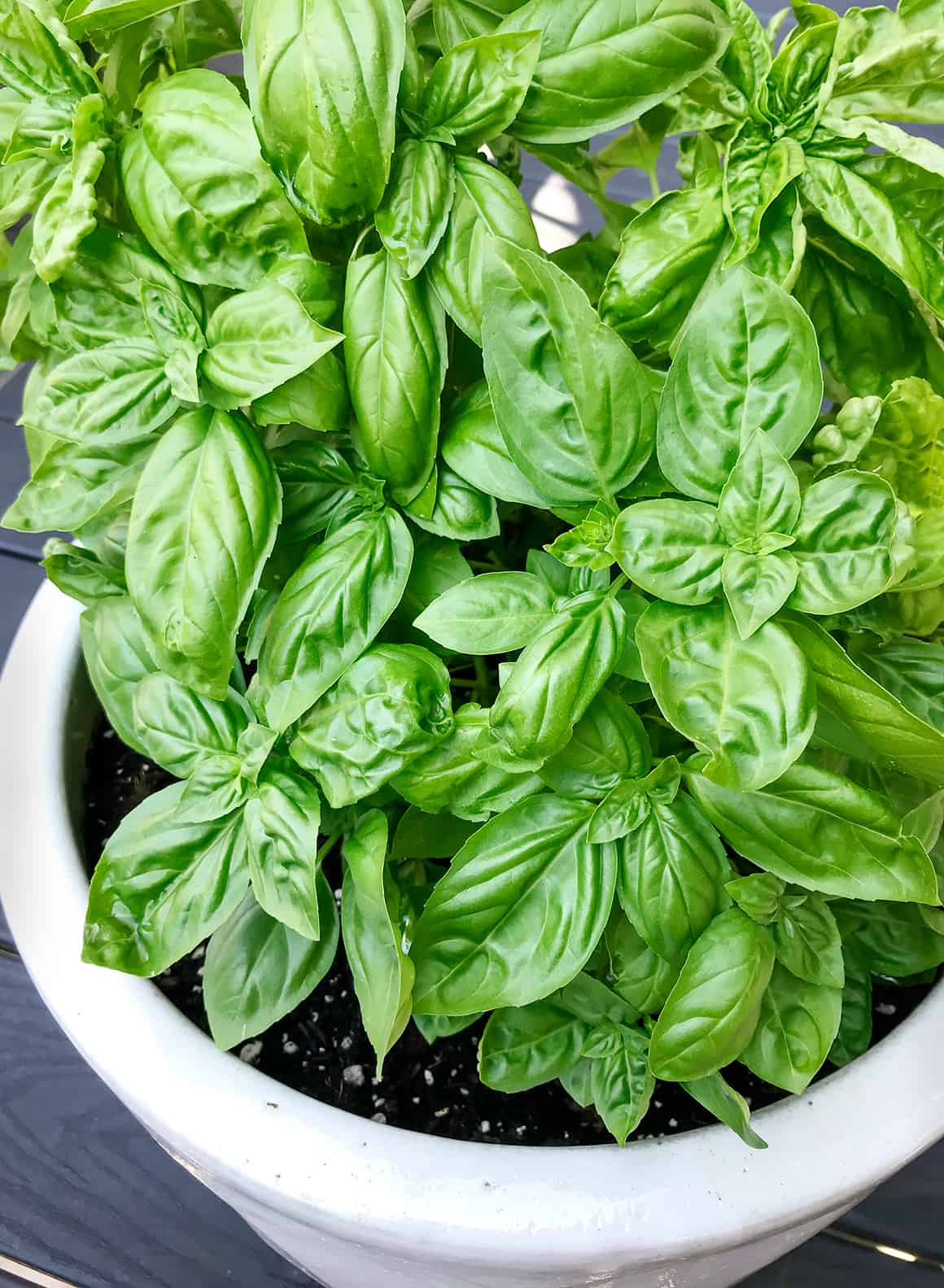
There's nothing quite as disheartening as watching your vibrant basil plant, once bursting with fragrant leaves, suddenly stall in its growth. You've nurtured it, watered it, and given it plenty of sunshine, yet it's stubbornly refusing to thrive. What's going on? Don't despair! There are several reasons why your basil plant stopped growing, and thankfully, most of them are easily fixable. Let's explore the common culprits and get your basil back on track to producing those delicious leaves we all crave.
Why Your Basil Plant Stopped Growing
There are several possible reasons why your basil plant may have stopped growing. Often, it's a combination of factors rather than a single cause. Identifying the root of the problem is the first step towards reviving your precious herb.
Common Reasons for Stunted Basil Growth
Let's delve into some of the most frequent reasons why your basil plant is refusing to grow. We'll cover everything from environmental factors to potential diseases and pests.
Insufficient Sunlight
Basil plants are sun worshippers. They need a minimum of 6-8 hours of direct sunlight per day to thrive. Without enough sunlight, they'll struggle to produce energy through photosynthesis, leading to stunted growth, pale leaves, and an overall lack of vigor. If your basil is planted in a shady spot, consider relocating it to a sunnier location. If that's not possible, you can supplement with artificial grow lights.
Fact: Studies have shown that basil plants grown under optimal sunlight conditions produce significantly more essential oils, resulting in a more intense flavor.
Improper Watering
Watering is a delicate balancing act when it comes to basil. Overwatering can lead to root rot, a fungal disease that chokes the roots and prevents them from absorbing nutrients. Underwatering, on the other hand, will cause the plant to dry out and wilt. Basil prefers consistently moist but not soggy soil. Check the soil moisture by sticking your finger about an inch deep. If it feels dry, it's time to water. When watering, water deeply, allowing the water to soak into the root zone. Avoid wetting the foliage, as this can encourage fungal diseases. Having a reliable method of watering your plants will significantly help prevent problems. For instance, you could make use of an expandablegarden hose, maybe even one that stretches up to 75 FTand comes with a 10-Function Nozzlefor varied watering options, ensuring your basil and the rest of your garden get just the right amount of water. You can find a great one here:https://amzn.to/3Yv E0Bo.
Poor Soil Quality
Basil plants are heavy feeders, meaning they require nutrient-rich soil to grow properly. Poor soil quality, lacking in essential nutrients like nitrogen, phosphorus, and potassium, can severely hinder growth. Before planting, amend your soil with compost or well-rotted manure to improve its fertility and drainage. You can also use a balanced fertilizer formulated for herbs to provide your basil with the nutrients it needs.
Temperature Stress
Basil is a warm-weather herb and is sensitive to cold temperatures. Temperatures below 50°F (10°C) can damage the plant and stunt its growth. Frost can be fatal. On the other hand, extreme heat can also stress the plant. If you live in an area with hot summers, provide your basil with some afternoon shade to protect it from scorching.
Tip: Basil thrives in temperatures between 65°F and 85°F (18°C and 29°C).
Pests and Diseases
Various pests and diseases can attack basil plants and cause them to stop growing. Common pests include aphids, spider mites, and whiteflies. These tiny insects suck the sap from the leaves, weakening the plant and stunting its growth. Diseases like downy mildew and fusarium wilt can also be devastating. Regularly inspect your basil plant for signs of pests or diseases and take appropriate action if you spot any problems. Insecticidal soap, neem oil, and copper fungicides are effective treatments for many common basil problems.
Case Study: A study by the University of California found that basil plants infested with spider mites experienced a 50% reduction in growth compared to pest-free plants.
Here's a table outlining some common basil pests and diseases, along with their symptoms and control methods:
| Pest/Disease | Symptoms | Control Method |
|---|---|---|
| Aphids | Small green, black, or brown insects clustered on stems and leaves; sticky honeydew; distorted growth | Insecticidal soap, neem oil, strong stream of water |
| Spider Mites | Tiny spider-like pests on the undersides of leaves; fine webbing; stippled leaves | Insecticidal soap, neem oil, increasing humidity |
| Downy Mildew | Yellow spots on the upper surface of leaves, with a gray or purple fuzzy growth on the underside | Copper fungicide, improving air circulation, removing infected leaves |
| Fusarium Wilt | Wilting of leaves, yellowing of lower leaves, brown streaks inside stems | No cure; remove and destroy infected plants; use disease-resistant varieties |
Rootbound Plants
If you're growing your basil in a container, it's important to ensure that the pot is large enough to accommodate the plant's root system. If the roots become too crowded, the plant will become rootbound, meaning the roots are circling the pot and restricting growth. If you suspect your basil is rootbound, gently remove it from the pot and inspect the roots. If they are tightly packed and circling the pot, it's time to repot the plant into a larger container.
Over-harvesting
While basil benefits from regular harvesting to encourage bushy growth, over-harvesting can stress the plant and slow down its growth. Avoid removing more than one-third of the plant's foliage at a time. Always leave enough leaves for the plant to continue photosynthesizing and producing energy.
How to Revive a Stunted Basil Plant
Now that we've identified the common reasons for stunted basil growth, let's discuss how to revive your struggling plant.
Assess and Adjust Environmental Factors
Start by carefully assessing the growing conditions of your basil plant. Is it getting enough sunlight? Is the soil too wet or too dry? Is it exposed to extreme temperatures? Make adjustments as needed to provide the plant with optimal growing conditions. If you're growing basil indoors, consider moving it to a sunnier location or supplementing with grow lights. If you're growing it outdoors, protect it from frost and provide afternoon shade during hot weather.
Improve Soil Quality
If your soil is lacking in nutrients, amend it with compost or well-rotted manure. You can also use a balanced fertilizer formulated for herbs. Follow the instructions on the fertilizer label carefully to avoid over-fertilizing, which can also damage the plant.
Address Pests and Diseases
If you spot any signs of pests or diseases, take action immediately. Insecticidal soap, neem oil, and copper fungicides are effective treatments for many common basil problems. Be sure to follow the instructions on the product label carefully. If the infestation or disease is severe, you may need to remove and destroy the affected plants to prevent it from spreading to other plants.
Repot Rootbound Plants
If your basil plant is rootbound, repot it into a larger container. Choose a pot that is at least 2 inches larger in diameter than the current pot. Gently loosen the roots before repotting to encourage them to spread into the new soil.
Prune and Harvest Regularly
Regular pruning and harvesting will encourage bushy growth and prevent the plant from becoming leggy. Pinch off the flower buds as soon as they appear to encourage the plant to focus its energy on producing leaves. When harvesting, cut the stems just above a leaf node to encourage new growth.
Preventing Future Growth Stunts
Prevention is always better than cure. By following these tips, you can minimize the risk of your basil plant stopping growing in the future.
Choose a sunny location with well-drained soil.
Water consistently, but avoid overwatering.
Amend the soil with compost or well-rotted manure before planting.
Fertilize regularly with a balanced fertilizer.
Monitor for pests and diseases and take action immediately if you spot any problems.
Repot rootbound plants into larger containers.
Prune and harvest regularly.
Choose disease-resistant varieties of basil.
Conclusion
Seeing your basil plant stopped growing can be frustrating, but with a little detective work and some TLC, you can usually revive it and get it back to producing those flavorful leaves you love. By understanding the common causes of stunted basil growth and taking preventative measures, you can ensure that your basil plant thrives and provides you with a bountiful harvest for many seasons to come. Remember to provide adequate sunlight, proper watering, nutrient-rich soil, and protection from pests and diseases, and your basil plant will reward you with its delicious fragrance and flavor.