Picture this: you’re making a delicious pesto, but you're out of fresh basil! A quick trip to the grocery store solves the problem, but what if you could extend the life of that store-bought basil and create an endless supply? The good news is, with a little know-how, you absolutely can! Growing Basil From Store-Bought: A Complete Guide So, can you really grow basil from store bought bunches? Absolutely! It's a fantastic way to save money, reduce waste, and enjoy fresh basil whenever you need it. However, the success of growing basil from store bought depends on a few key factors. This article will walk you through the entire process, from selecting the right basil to harvesting your homegrown leaves. We'll cover everything you need to know to successfully propagate basil from your grocery store haul. Selecting the Right Store-Bought Basil for Propagation Not all store-bought basil is created equal when it comes to propagation. To increase your ...
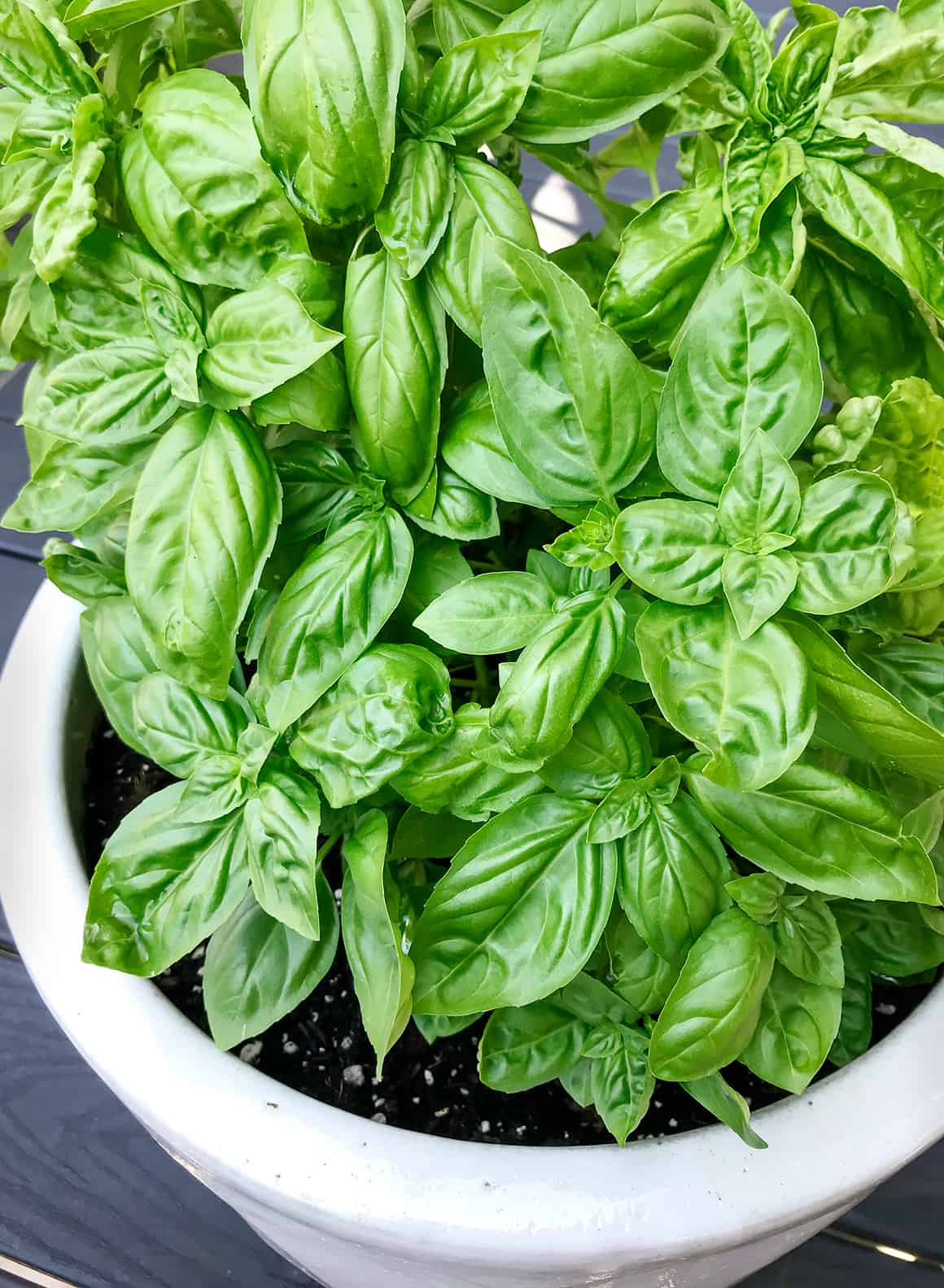
So, you've sprinkled those tiny basil seeds into the soil, eagerly anticipating fragrant leaves for your pesto or caprese salad. But weeks have passed, and instead of a lush basil patch, you're staring at… well, not much. Don't despair! Basil seeds can be notoriously slow to grow, and there are several reasons why your little green dreams might be taking their sweet time. Let's dig into the common culprits and how to coax those basil seeds into thriving plants.
Why Are My Basil Seeds Slow to Grow?
Understanding the reasons behindslow basil seed germination and growth is the first step towards resolving the issue. Many factors can contribute to a basil seed's reluctance to sprout and flourish. We need to examine everything from the quality of your seeds to the environmental conditions they are facing. Let's explore the most common causes:
1. Seed Quality and Viability
The age and storage conditions of your basil seeds play a significant role in their ability to germinate. Basil seeds, like all seeds, have a shelf life. Ideally, use seeds within 1-2 years of purchase for the best results. Older seeds may have a lower germination rate, meaning fewer of them will sprout, and they may take longer to do so. Also, seeds that have been stored improperly (e.g., in a warm, humid environment) are less likely to germinate successfully. It is essential to always purchase seeds from reputable sources and store them in a cool, dark, and dry place.
A simple test for seed viability is to place a few seeds between moist paper towels. Keep the paper towels moist and warm for a few days. If most of the seeds sprout, your seed viability is good. If very few or none sprout, it's time to invest in a fresh packet of basil seeds.
2. Soil Temperature and Moisture
Basil is a warm-weather herb, and its seeds require a specific temperature range to germinate effectively. The optimal soil temperature for basil seed germination is between 70°F and 85°F (21°C and 29°C). When the soil temperature is below this range, the germination process slows down significantly, or it may not happen at all. Similarly, excessively high soil temperatures can also inhibit germination.
Moisture is another critical factor. Basil seeds need consistent moisture to germinate. The soil should be consistently moist but not waterlogged. Overwatering can lead to seed rot, while underwatering can cause the seeds to dry out before they have a chance to sprout. Using a spray bottle to gently mist the soil is an excellent way to maintain consistent moisture.
Consider using a heat mat designed for seed starting if you're starting your basil indoors, especially in cooler climates. Also, ensure your seed-starting mix is well-draining to avoid waterlogging.
3. Planting Depth
Planting basil seeds too deep is another common mistake that can lead toslow germination of basil seeds. Basil seeds are tiny and need light to germinate. Plant them very shallowly, about 1/4 inch deep at most. When planted too deep, the seedlings may not have enough energy to reach the surface of the soil.
When sowing basil seeds, sprinkle them lightly on the surface of the soil and gently press them in. Cover them with a very thin layer of soil or vermiculite. This allows light to reach the seeds while still providing the necessary moisture and contact with the soil.
4. Light Exposure
While basil seeds require some light to germinate, seedlings need ample light to grow vigorously after they sprout. Insufficient light can lead to leggy, weak seedlings that grow very slowly. The new sprouts will also struggle to get enough nutrition from the light and air around them.
If you are starting basil seeds indoors, provide them with at least 6-8 hours of bright, indirect light daily. A sunny windowsill might work, but often, it's not enough, especially during winter months. Supplemental lighting, such as fluorescent or LED grow lights, can make a significant difference in the growth rate and overall health of your basil seedlings.
5. Soil Quality and Nutrients
The quality of your soil directly impacts the health and growth of your basil plants. Basil prefers well-draining, fertile soil with a slightly acidic to neutral p H (between 6.0 and
7.5). Poor soil quality, such as heavy clay soil or soil lacking essential nutrients, can hinder the growth of basil seedlings.
Before planting basil seeds, amend your soil with compost or other organic matter to improve its fertility and drainage. A balanced fertilizer can also provide the seedlings with the nutrients they need to thrive. Avoid using fertilizers that are too high in nitrogen, as this can promote excessive foliage growth at the expense of flavor and aroma.
Troubleshooting Slow Basil Seed Growth: A Step-by-Step Guide
If your basil seeds are taking their time to sprout, don't panic! Here's a systematic approach to identify and address the potential issues:
- Assess Seed Viability: Perform the paper towel test mentioned earlier to determine if your seeds are still viable.
- Check Soil Temperature: Use a soil thermometer to measure the temperature of your soil. If it's too cold, consider using a heat mat or moving your seedlings to a warmer location.
- Adjust Watering Practices: Ensure that the soil is consistently moist but not waterlogged. Use a spray bottle to mist the soil regularly.
- Evaluate Light Exposure: Provide your seedlings with adequate light, either from a sunny windowsill or supplemental grow lights.
- Improve Soil Quality: Amend your soil with compost or other organic matter to improve its fertility and drainage.
- Consider Fertilizing: Use a balanced fertilizer to provide your seedlings with the nutrients they need to thrive.
Other Factors That Might Slow Down Basil Seedlings
Sometimes, despite your best efforts, basil seedlings can still grow slowly. Here are some less common factors to consider:
Pests: Small pests like aphids or spider mites can weaken basil seedlings, hindering their growth. Regularly inspect your plants for signs of infestation and take appropriate action to control pests. Disease: Fungal diseases like damping-off can affect basil seedlings, especially in overly moist conditions. Ensure good air circulation and avoid overwatering to prevent disease. Transplant Shock: Transplanting basil seedlings can sometimes cause temporary stress, leading to a slowdown in growth. Handle seedlings carefully during transplanting and provide them with adequate water and protection from direct sunlight for a few days.
Speaking of gardens, a reliable way to keep your precious basil and other plants thriving is with a high-quality water hose. Consider using the Garden Hose 75 FT with 10-Function Nozzle. This leak-proof and kink-free metal connector water hose is perfect for watering your garden, yard, and outdoor spaces. You can find it here: https://amzn.to/3Yv E0Bo.
Preventing Slow Basil Seed Growth: Proactive Measures
Prevention is always better than cure! Here are some proactive measures you can take to ensure your basil seeds get off to a strong start:
Start Seeds Indoors: Starting basil seeds indoors allows you to control the environmental conditions, such as temperature and light, giving them a head start before transplanting them outdoors. Use High-Quality Seed-Starting Mix: A good seed-starting mix is well-draining, sterile, and provides the necessary nutrients for seedlings to thrive. Provide Consistent Care: Consistent watering, lighting, and fertilization are essential for the healthy growth of basil seedlings. Choose the Right Basil Variety: Some basil varieties are naturally faster growers than others. Consider choosing a faster-growing variety if you want to harvest basil quickly. Genovese, for example, is a reliable and relatively quick-growing variety that’s well-suited for pesto.
Conclusion: Patience is Key (But You Can Help!)
Whileslow basil seed growth can be frustrating, remember that patience is key. With the right care and attention, your basil seeds will eventually sprout and grow into thriving plants. By understanding the factors that can influence basil seed germination and growth, you can take proactive steps to create the optimal environment for your little green darlings to flourish. So, keep an eye on your soil temperature, maintain consistent moisture, provide ample light, and don't be afraid to give your seedlings a little extra TLC. Before you know it, you'll be harvesting fragrant basil leaves for all your culinary creations! Happy gardening!