Picture this: you’re making a delicious pesto, but you're out of fresh basil! A quick trip to the grocery store solves the problem, but what if you could extend the life of that store-bought basil and create an endless supply? The good news is, with a little know-how, you absolutely can! Growing Basil From Store-Bought: A Complete Guide So, can you really grow basil from store bought bunches? Absolutely! It's a fantastic way to save money, reduce waste, and enjoy fresh basil whenever you need it. However, the success of growing basil from store bought depends on a few key factors. This article will walk you through the entire process, from selecting the right basil to harvesting your homegrown leaves. We'll cover everything you need to know to successfully propagate basil from your grocery store haul. Selecting the Right Store-Bought Basil for Propagation Not all store-bought basil is created equal when it comes to propagation. To increase your ...
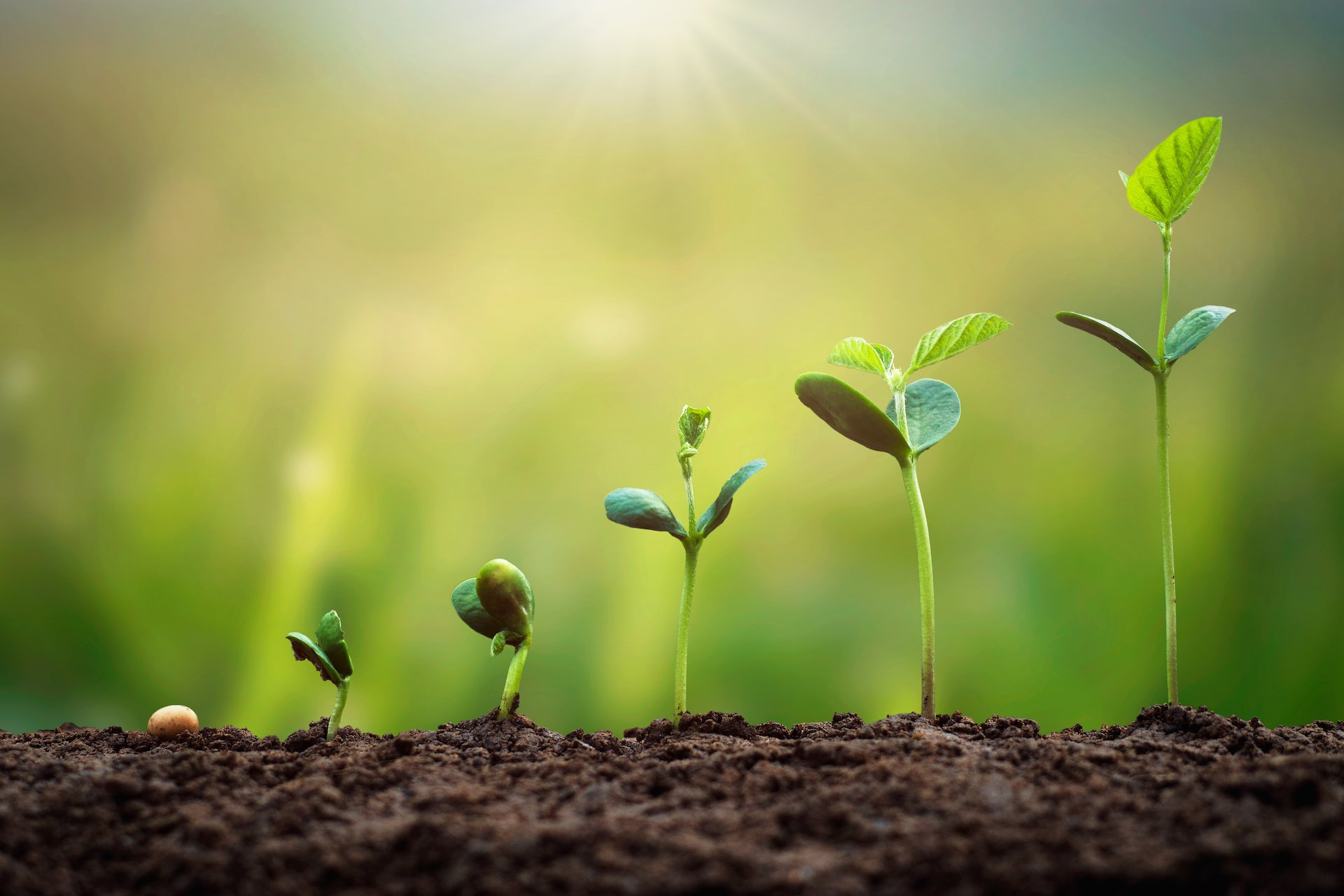
Basil, with its fragrant leaves and culinary versatility, is a favorite herb for many gardeners. But one question often pops up: can I grow basil in shade, or does it absolutely need full sun to thrive? The answer, like most things in gardening, is a little nuanced. Let's dive into the sun and shade requirements for growing beautiful, healthy basil plants.
Understanding Basil's Light Needs: Sun vs. Shade
Basil thrives best in sunlight. Basil, scientifically known as Ocimum basilicum, is a sun-loving herb native to tropical regions. In its natural habitat, it basks in plentiful sunshine. This translates to its needs in your garden: basil craves at least 6-8 hours of direct sunlight per day. This ensures robust growth, flavorful leaves, and a healthy, productive plant. Without sufficient sunlight, basil plants can become leggy, produce fewer leaves, and lack the intense flavor that makes them so desirable. However, does this mean it'simpossibleto grow basil in partial shade? Not necessarily.
The Ideal Amount of Sunlight for Basil
As mentioned above, the ideal scenario for basil is 6-8 hours of direct sunlight each day. This allows the plant to maximize photosynthesis, the process by which it converts sunlight into energy for growth. With enough sunlight, you'll notice: Vigorous growth: The plant will grow quickly and steadily. Rich color: The leaves will have a deep, vibrant green color. Intense flavor: The essential oils responsible for basil's characteristic aroma and taste will be produced in abundance. Resistance to pests and diseases: A healthy, well-nourished plant is better equipped to defend itself against common problems.
Can Basil Grow in Shade? Exploring the Possibilities
While full sun is the ideal, basilcantolerate some shade, particularly in hot climates. However, “shade” can mean many things. We’re talking about a situation where basil receives around 4 hours of sunlight. The key is to find the right balance to prevent the negative consequences of too little light. Here's what to consider: Partial Shade: Basil can tolerate partial shade, which means it receives direct sunlight for only part of the day (4-6 hours) and shade for the rest. Morning sun and afternoon shade can be a good combination, especially in regions with intense summer heat. This can help prevent the leaves from scorching. Filtered Shade: Filtered shade, such as that provided by a tall tree with dappled sunlight, can also work. The leaves receive some sunlight, but it's not as intense as direct sunlight. Consider the Climate:In hotter climates, basil might appreciate some afternoon shade to protect it from the scorching sun. In cooler climates, more sunlight is generally better.
Growing Basil in Shade: What to Expect
If you're growing basil in a shadier location, be prepared for some differences in its growth and flavor. The plant might: Grow Slower: Reduced sunlight means less energy for growth, so expect the plant to grow at a slower pace than basil grown in full sun. Become Leggy: The plant may stretch towards the light, resulting in long, spindly stems with fewer leaves. Have a Lighter Color: The leaves may be a paler green color than those of basil grown in full sun. Have a Milder Flavor: The essential oils responsible for basil's flavor are produced in greater quantities when the plant receives ample sunlight. Shade-grown basil may have a less intense flavor. Be More Susceptible to Diseases:Plants weakened by lack of sunlight are more vulnerable to fungal diseases.
In a case study, a local gardener in Phoenix, Arizona, reported successfully growing basil in a partially shaded area of their garden. They noted that while the plants grew slower compared to those in full sun, they were still productive and had a good flavor. The key, they emphasized, was to provide well-draining soil and avoid overwatering. Another case study, conducted by a university agricultural extension, found that basil grown in full sun produced significantly higher yields of essential oils compared to basil grown in shade. However, the shade-grown basil still had an acceptable flavor profile for culinary use.
Tips for Maximizing Growth in Shady Areas
Even if you can't provide full sun, there are still things you can do to help your basil thrive: Choose the Right Variety: Some basil varieties are more tolerant of shade than others. For example, lemon basil and Thai basil may perform better in partial shade compared to Genovese basil. Provide Well-Draining Soil: Basil hates soggy soil, which can lead to root rot, especially in shadier areas where the soil dries out more slowly. Make sure your soil is well-draining and amend it with compost or other organic matter to improve drainage. Water Carefully: Water deeply but infrequently, allowing the soil to dry out slightly between waterings. Avoid overwatering, which can contribute to fungal diseases. Fertilize Regularly: Provide your basil with a balanced fertilizer to help it get the nutrients it needs to grow, even in less-than-ideal light conditions. Prune Regularly: Pruning encourages bushier growth and helps to improve air circulation, which can reduce the risk of fungal diseases. Consider Grow Lights: If you're serious about growing basil but don't have enough sunlight, consider using grow lights to supplement the natural light. Rotate Your Plants: If your basil is in a pot, rotate it regularly to ensure that all sides of the plant receive equal amounts of sunlight. Monitor for Pests and Diseases: Keep a close eye on your basil plants for signs of pests or diseases and take action promptly to prevent problems from spreading. Avoid Overcrowding:Make sure your basil plants have enough space to grow. Overcrowding can reduce air circulation and increase the risk of diseases.
Growing Basil in Sun: The Path to Abundant Harvests
If you can offer your basil plants a sunny location, you're setting them up for success. Here's how to make the most of that sunshine: Choose a Sunny Spot: Select a location that receives at least 6-8 hours of direct sunlight per day. Prepare the Soil: Basil prefers well-draining soil that is rich in organic matter. Amend your soil with compost or other organic matter to improve its fertility and drainage. Water Properly: Water deeply but infrequently, allowing the soil to dry out slightly between waterings. Fertilize Regularly: Provide your basil with a balanced fertilizer to help it grow and produce flavorful leaves. Pinch Back Regularly: Pinching back the growing tips of your basil plants encourages bushier growth and prevents them from flowering too early. Flowering can reduce the flavor of the leaves. Harvest Frequently: Harvest basil leaves regularly to encourage the plant to produce more. Pinch or cut the leaves just above a set of leaves to promote branching.
Did you know that a helpful gardening tool to ensure your basil plants get the right amount of water is a reliable hose? The Garden Hose 75 FT with 10-Function Nozzle is a great option to help you achieve your garden goals with its leak-proof metal connector and kink-free design. Check it out here: https://amzn.to/3Yv E0Bo.
Basil Varieties and Their Light Preferences
While most basil varieties prefer full sun, some are more tolerant of shade than others. Here's a general guide: Genovese Basil: This is the classic basil variety used in pesto and other Italian dishes. It prefers full sun and may not thrive in shade. Sweet Basil: Similar to Genovese basil, sweet basil also prefers full sun but can tolerate some partial shade. Thai Basil: Thai basil has a licorice-like flavor and is commonly used in Southeast Asian cuisine. It is slightly more tolerant of shade than Genovese basil. Lemon Basil: Lemon basil has a lemony flavor and aroma and is relatively shade-tolerant. Purple Basil:Purple basil has a beautiful dark purple color and a slightly different flavor profile than green basil. It prefers full sun but can tolerate some partial shade.
Conclusion: Finding the Right Balance for Your Basil
Ultimately, the best way to determine whether you can grow basil in shade is to experiment. Start by providing your basil with as much sunlight as possible, and then observe how it grows. If you notice signs of stress, such as wilting or scorching, move the plant to a shadier location. With a little bit of observation and experimentation, you can find the perfect balance of sun and shade for your basil plants.